Why Polygon (POL) is Far From Dead: The Ultimate Value Venture in Ethereum's Layer 2
Is Polygon a dormant project, or is it secretly gearing up for a massive breakout? While its price performance has left many retail investors feeling frustrated, a deeper look into its recent POL migration, real-world corporate partnerships, and dominance in decentralized applications like Polymarket reveals why this Layer 2 giant remains a conviction buy for long-term holders.
1. The Frustrating Price Action vs. Fundamental Reality
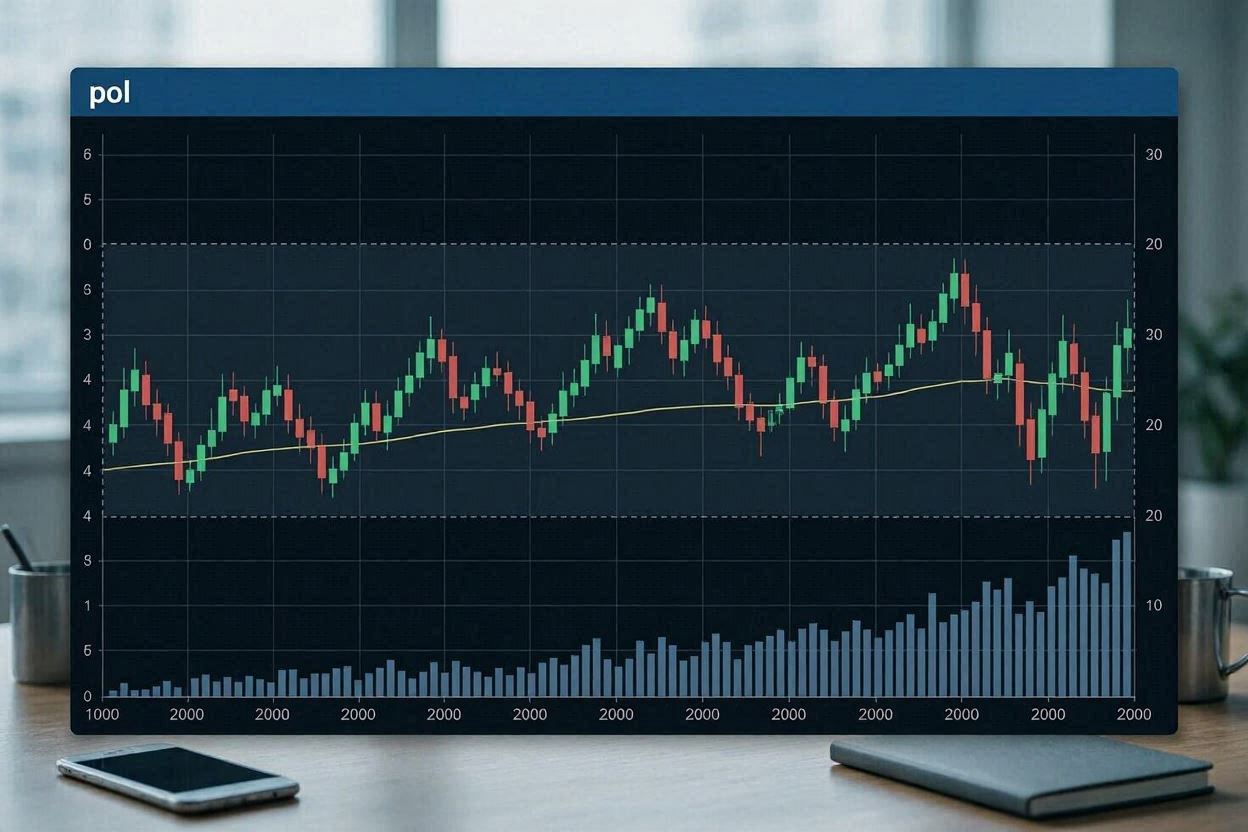
For investors monitoring the daily charts, the price performance of Polygon has been undeniably stagnant. It mirrors the frustratingly slow, sluggish price actions historically seen in legacy tokens like XRP, Stellar (XLM), Algorand, or Hedera (HBAR). It is easy to look at the lack of immediate upward momentum and wonder: Is this project dead? Has it failed to secure institutional backing?
However, looking strictly at the price misses the massive structural evolution happening behind the scenes. Smart money looks for utility and real-world adoption (Use Cases), both of which Polygon has been quietly solidifying.
2. The Migration to POL: Upgrading the Economic Engine
A critical turning point occurred when Polygon successfully executed its mainnet upgrade, officially migrating its native token from MATIC to Polygon Ecosystem Token (POL). Major global exchanges have fully integrated this migration.
POL is not just a simple name change; it is a hyper-functional upgrade designed to secure a multi-chain network.
- Next-Gen Staking Rewards: POL serves as the foundational token for network security via Proof-of-Stake (PoS). Investors can stake POL on major platforms to secure steady, passive yields (historically yielding around 3.72% annually depending on network activity).
- Advanced Architecture: By implementing sidechains, zkEVM (Zero-Knowledge Ethereum Virtual Machine), and cutting-edge Rollup technologies, POL acts as a highly efficient scaling layer that processes transactions off-chain before anchoring them securely back to Ethereum Layer 1.
- Eco-Friendly Scaling: Its optimized PoS mechanism makes it infinitely more sustainable and environmentally conscious than legacy Proof-of-Work systems.
3. The Polymarket Phenomenon: A Massive Real-World Use Case
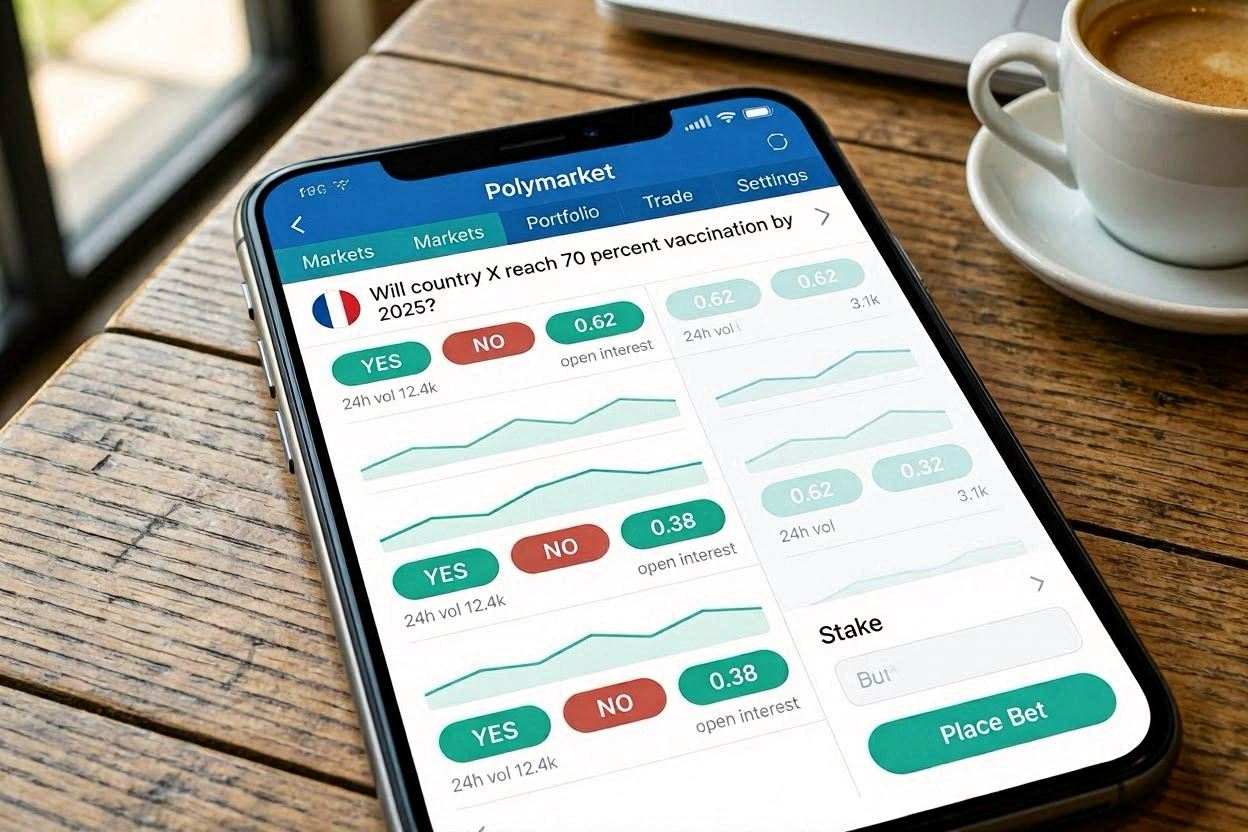
If you want to know if a blockchain is being used, look at Polymarket—the world’s leading decentralized prediction platform covering global elections, sports, finance, and pop culture. Polymarket operates entirely on top of the Polygon blockchain.
Why did Polymarket choose Polygon over competitors like Solana, Avalanche, or Binance Smart Chain?
- Micro-Transaction Viability: Prediction markets require thousands of rapid, low-value bets. Polygon’s near-zero gas fees make this cost-effective for everyday global users.
- Ethereum Native Compatibility: Since Polymarket relies heavily on Ethereum-compatible smart contracts and stablecoins like USDC (Circle’s fully-backed digital dollar), Polygon provided a seamless, native transition without compromising on security or liquidity.
- High Throughput: Polygon effortlessly handles massive spikes in betting volume during major global events without experiencing network halts or transaction failures.
4. Deep Liquidity: The Seamless Integration of USDC
Polygon’s survival and growth are deeply intertwined with USDC, the premier regulated stablecoin issued by Circle. USDC operates natively within the Polygon ecosystem, completely bypassing Ethereum's expensive transaction barriers.
- DeFi Dominance: Polygon-native USDC is the primary lifeblood for lending, borrowing, and yielding on blue-chip DeFi protocols like Aave, Uniswap, and Curve.
- Web3 Commerce & Gaming: Major NFT marketplaces like OpenSea, alongside mainstream gaming platforms like Decentralized and The Sandbox, utilize Polygon’s infrastructure and USDC for frictionless, non-volatile in-game economies.
- Global Payment Gateways: Fintech infrastructure leaders like Stripe utilize Polygon and USDC to allow global businesses to settle borderless crypto payments instantly and cheaply.
5. Corporate Alliances and the Catalysts for the Next Breakout
- Polygon holds an unmatched track record in securing strategic, real-world corporate alliances. These are not speculative "hype agreements," but deeply integrated structural partnerships:
- Meta & Reddit: Chosen to power NFT exploration on Instagram and community rewarding systems across Reddit subreddits.
- Disney & Adobe: Selected for Disney’s prestigious Accelerator Program to explore Web3 entertainment and integrated into Adobe’s Behance tools for creators to leverage secure digital provenance.
- Government Integration: Even public sectors, such as local state governments in India, have collaborated with Polygon to pilot blockchain-based land registration and document verification.
6. Conclusion: What Will Trigger the Valuation Realization?
For POL to break out of its current frustrating price range and effectively defend its market share against aggressive Layer 1 competitors like Solana or Near Protocol, it requires specific market triggers:
- Sustained Institutional Accumulation: Continuous whale and corporate accumulation of the newly migrated POL token.
- Aggressive zkEVM Adoption: Widespread developer migration to Polygon's zero-knowledge scaling solutions.
- Circulating Supply Reduction: Increased staking participation locking up more liquid POL, combined with native token-burning mechanisms to introduce deflationary pressure.
While retail attention often chases short-term meme tokens, the foundational infrastructure for global Web3 adoption is being built on Polygon. For patient investors focusing on utility, corporate adoption, and continuous network upgrades, POL remains one of the most asymmetric value plays in the modern cryptocurrency landscape.