Beyond Level 2 : The Evolving Stance of Korean Regulators on Tesla FSD
The debate over Tesla's Full Self-Driving (FSD) in South Korea has reached a boiling point. With the Ministry of Land, Infrastructure and Transport (MOLIT) explicitly excluding FSD from its new DCAS (Dynamic Driving Task-related Control System) framework, many owners and investors are concerned. However, this is not a permanent 'no.' Instead, it is a strategic maneuver by the South Korean government as it shifts its regulatory roadmap toward Level 4 autonomous driving standards, creating a complex, albeit evolving, path for Tesla’s technology.
1. The Regulatory Wall of Blackbox AI
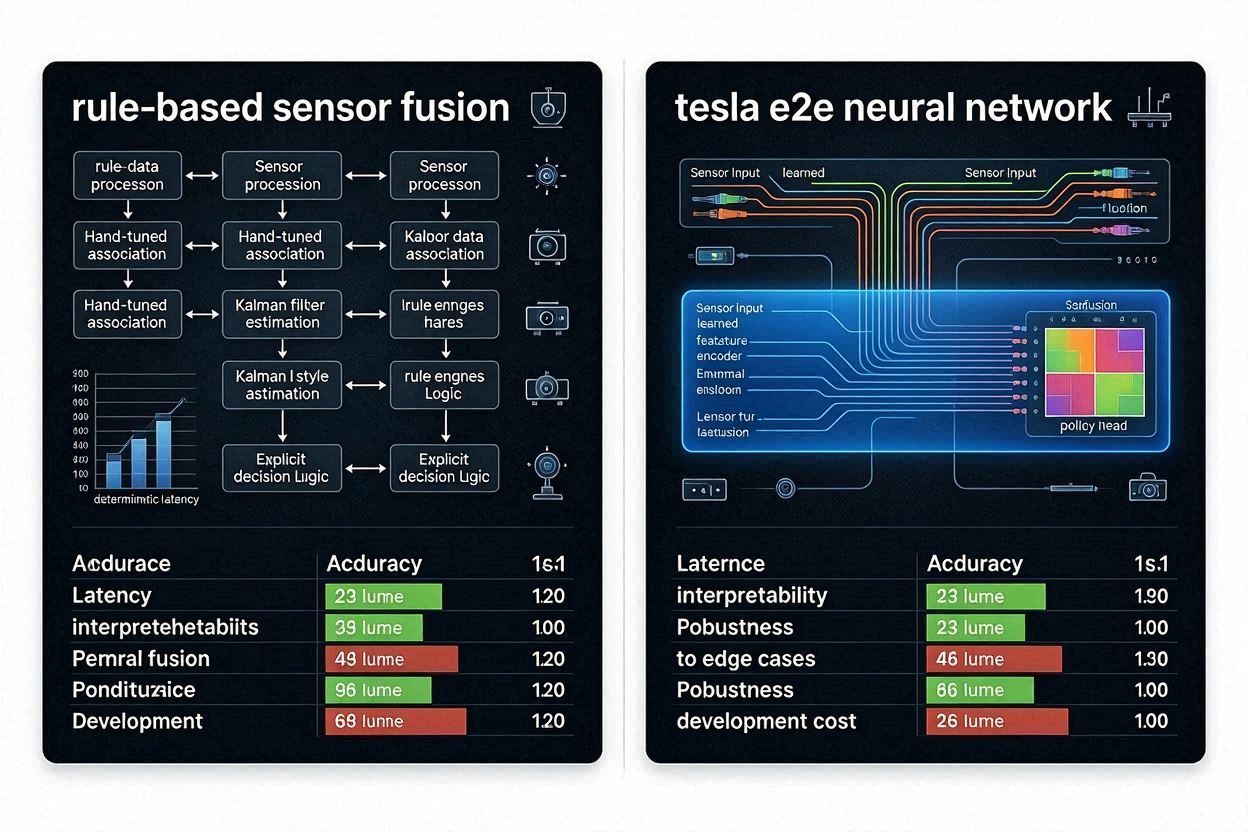
The core conflict lies in the nature of Tesla's E2E (End-to-End) neural network versus the 'Logic-based' requirements of conventional regulations. Like the challenges Tesla faces in Europe with 'UNR157' compliance, South Korean authorities are demanding transparency in decision-making processes. As Automotive News Europe recently highlighted, Tesla's vision-only approach often conflicts with the 'Takeover Request' protocols mandated by existing international standards. For Korean regulators, the 'blackbox' nature of Tesla's AI makes it impossible to validate under current Level 2 DCAS frameworks, which rely on clear sensor-fusion logs.
2. The Level 4 Roadmap and Strategic Re-evaluation
The South Korean government's push for Level 4 autonomy is not intended to block Tesla, but to align the domestic industry with higher international standards. Unlike Level 2, where the driver is responsible, Level 4 shifts full liability to the system. By excluding FSD from Level 2, the government is effectively saying: "If Tesla wants to operate in Korea, it must prove its safety according to Level 4 protocols." This places the burden of proof on Tesla to provide localized data that satisfies the MOLIT's stringent safety certifications.
3. The 2028 Horizon and the Data-Driven Path
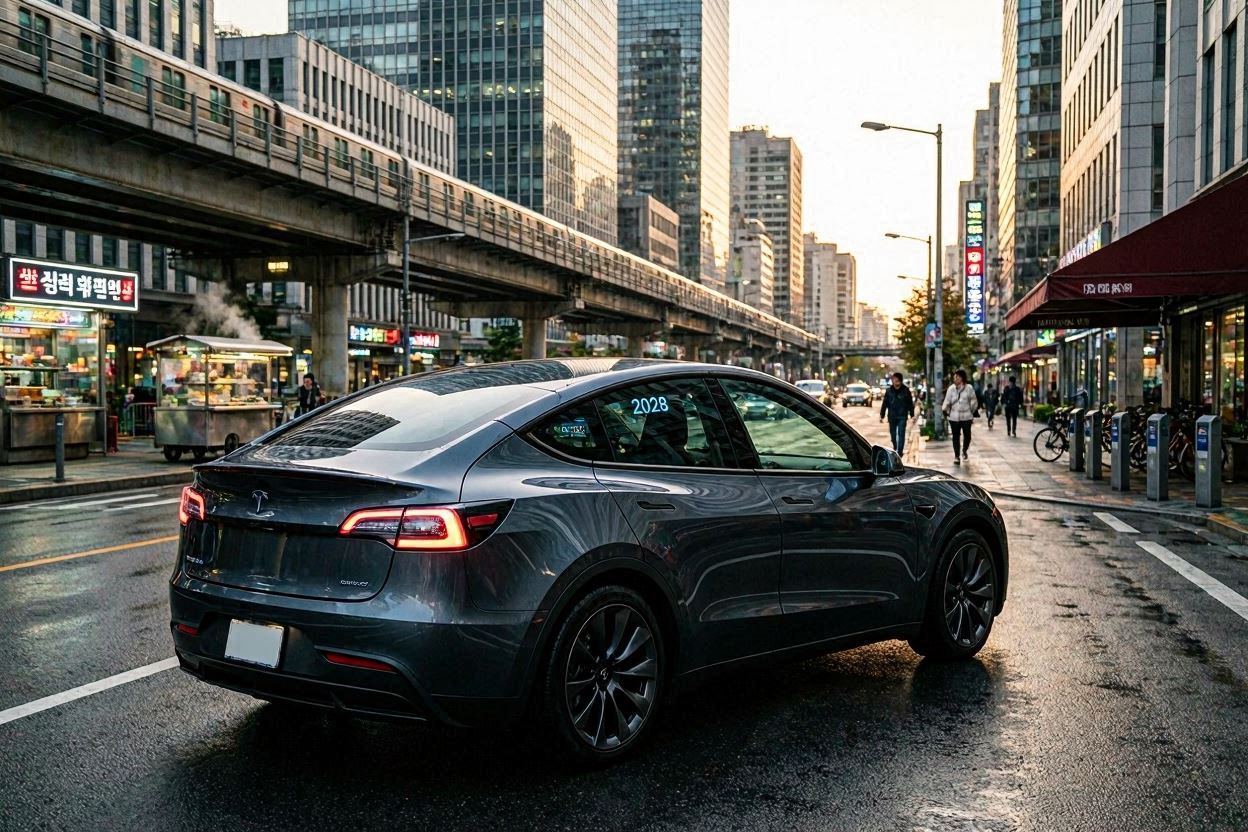
Realistically, we are looking at 2028. Tesla must satisfy Korean regulatory frameworks, which require deep integration with local infrastructure—a process that necessitates extensive empirical evidence. The Juniper Model Y is currently playing a critical role in this journey; by operating on Korean roads, these vehicles are silently accumulating the real-world driving data essential for Tesla to negotiate with regulators. As analysts from Ddaily and other local tech outlets have noted, the government is not inherently anti-Tesla; it is pro-safety and is leveraging this time to ensure that its domestic software ecosystem can evolve alongside global technology on a level playing field.
Conclusion
For investors and owners, patience is the only viable strategy. The path to FSD integration in South Korea is paved with regulatory hurdles, but the technological direction is clear. Rather than chasing short-term speculation fueled by social media, a long-term view focusing on the 2028 horizon is the most rational approach. Tesla is navigating a complex regulatory path, and the eventual integration of FSD will serve as a testament to the safety data collected during these formative years.