For decades, the BMW 3 Series has stood as the undisputed benchmark of the D-segment sports sedan. As the automotive world stands on the brink of an electric revolution, we take a nostalgic journey through the generations of this iconic model—exploring how it mastered driving dynamics and what the highly anticipated 8th Generation holds for the future of mobility.
1. A Personal Journey Through Mobility
My own automotive journey reflects the broader shifts in the industry. Having personally transitioned from the incredibly efficient 6th-Generation BMW F30 320d to a spacious Hyundai Palisade, and most recently stepping fully into the EV era with a stealth grey Tesla Model Y Juniper, my perspective on what makes a car truly "great" has continually evolved.
Yet, whenever I look back at my time with the F30, I am reminded of the undeniable charm of the BMW 3 Series. It is a vehicle that seamlessly blends a Jekyll-and-Hyde personality: a frugal commuter in 'Eco Pro' mode and a visceral driving machine in 'Sport' mode. Let’s explore how the 3 Series built this legendary reputation across its generations.
2. The Classic Era : Establishing the Identity (1st - 3rd Gen)
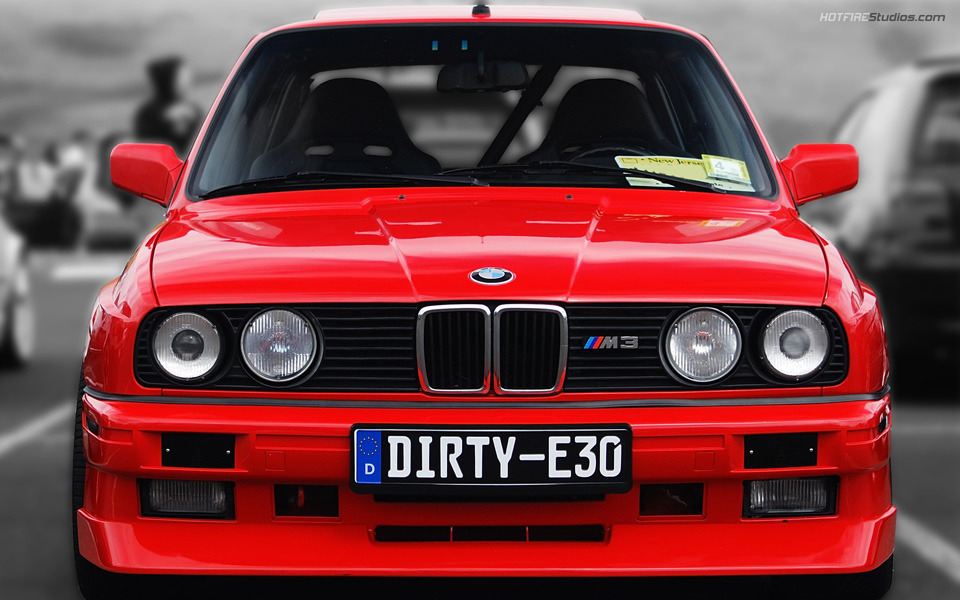
The legacy began with the 1st Gen (E21, 1975–1983), introducing the classic dual-kidney grille and a driver-oriented dashboard that became a BMW staple. Following it, the 2nd Gen (E30, 1982–1991) brought a sharper, boxier aesthetic that remains a highly sought-after collector's item today. By the time the 3rd Gen (E36, 1991–1999) arrived, the 3 Series had transitioned into a more aerodynamic, modern luxury silhouette, proving that a sports sedan could be both aggressively fast and elegantly designed.
3. The Golden Age of Pure Dynamics (4th - 5th Gen)
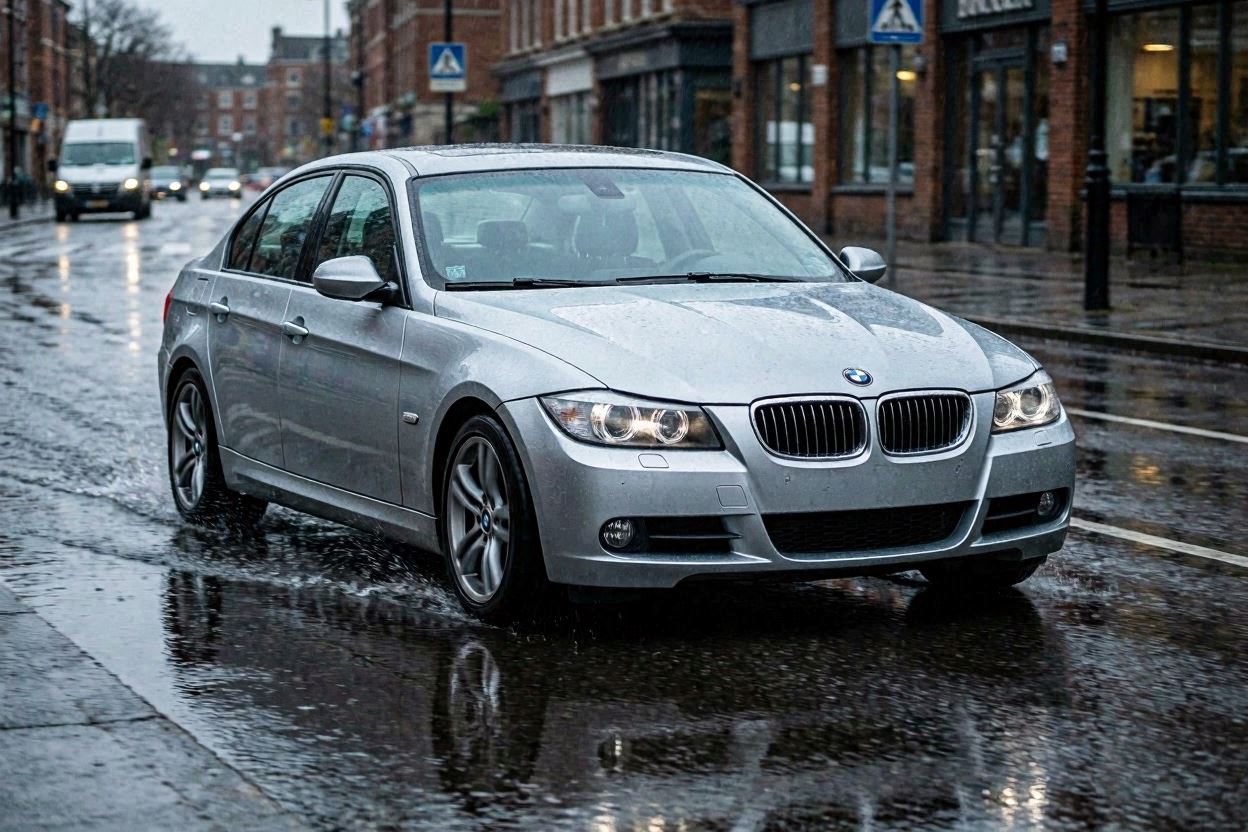
For purists, the 4th Gen (E46, 1998–2006) is often considered one of the most beautiful car designs ever penned, perfectly balancing modern curves with classic proportions. However, it was the 5th Gen (E90, 2005–2011) that truly cemented the "Ultimate Driving Machine" ethos. Known for its incredibly heavy, communicative steering and stiff suspension, the E90 (especially models like the 335i) offered a raw, unapologetic driving experience that many enthusiasts argue has never been perfectly replicated since.
4. The Era of Efficiency and Refinement (6th - 7th Gen)

When the 6th Gen (F30, 2012–2018) arrived, BMW shifted its focus toward mass appeal. The F30 grew significantly, offering a 2,810mm wheelbase that rivaled mid-size sedans. Paired with a brilliantly tuned 8-speed automatic transmission, models like the 320d delivered astonishing fuel economy (routinely exceeding 22km/ℓ) that rivaled modern hybrids. While some criticized it for being too soft and comfort-oriented, it was an undeniable commercial success.
To answer the critics, BMW launched the 7th Gen (G20, 2018–Present). The G20 successfully recaptured the E-chassis driving dynamics while integrating cutting-edge tech, firmly defending its crown against the Mercedes-Benz C-Class.
5. The Future Arrives : The 8th Generation and the "Neue Klasse"
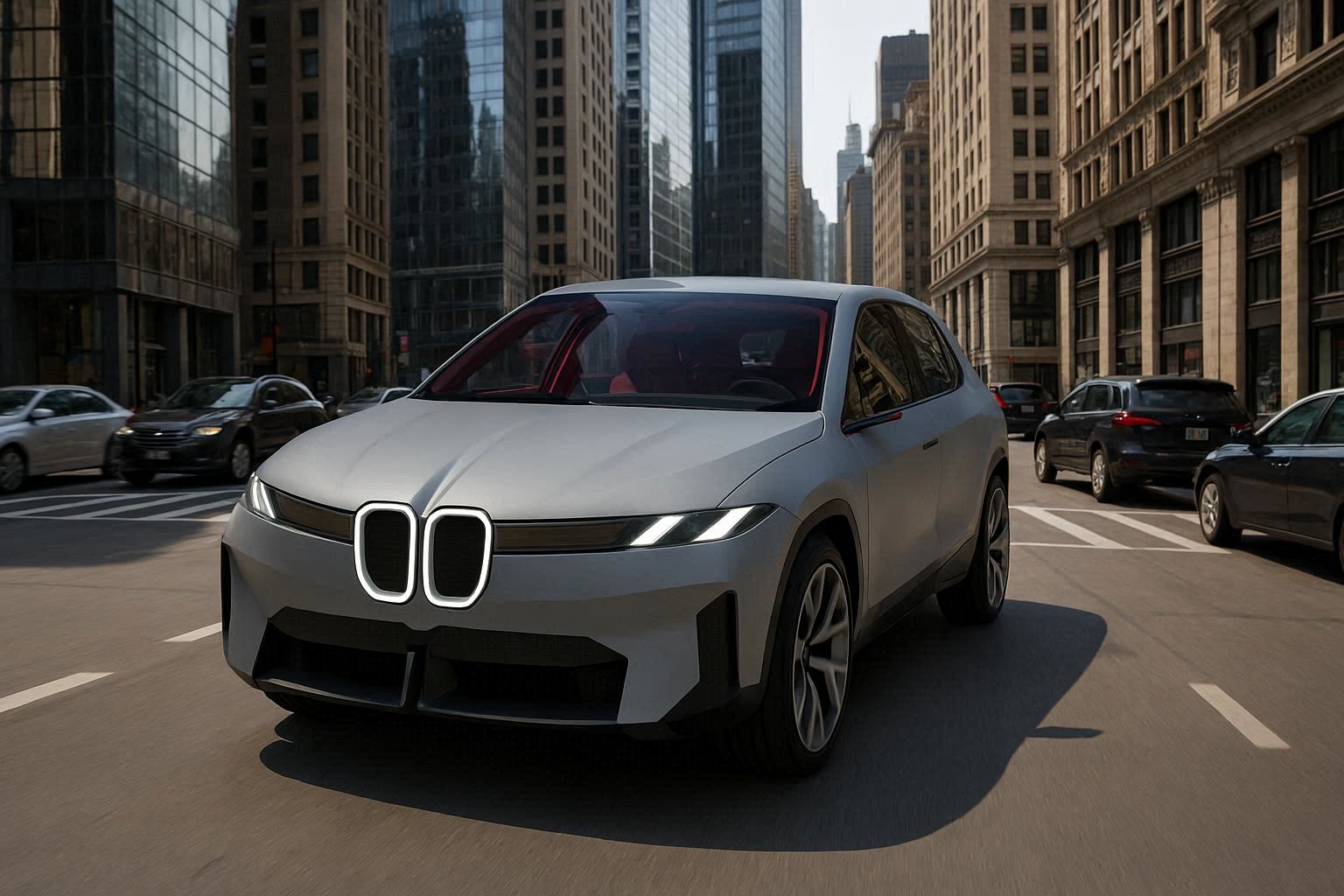
As we look toward the horizon, the upcoming 8th Generation 3 Series represents the most radical paradigm shift in the model's history. BMW is adopting a dual-track strategy to satisfy both traditionalists and EV adopters:
- The Ultimate Mild-Hybrid ICE : The next generation of internal combustion models (expected 2.0L and 3.0L gasoline and diesel variants) will be heavily electrified. By standardizing a 48V Mild Hybrid System across the board, BMW aims to eliminate turbo lag, boost low-end torque, and meet strict global emission standards without sacrificing the signature engine roar.
- The EV Revolution (Neue Klasse) : Running parallel to the ICE models, the pure electric variant will be built on BMW’s dedicated "Neue Klasse" (New Class) architecture. This platform promises 30% more range, 30% faster charging, and a completely reimagined digital ecosystem, ensuring the 3 Series remains the leader of the pack in the electric age.
6. Conclusion : A Legacy That Adapts
From the mechanical purity of the E30 to the hyper-efficient F30, and now the electrified frontier of the Neue Klasse, the BMW 3 Series has survived not by remaining stagnant, but by constantly reinventing itself. Whether powered by high-octane gasoline, efficient diesel, or a high-voltage battery, the soul of the 3 Series—the joy of driving—remains eternal.
"Having personally owned and driven an F30 for six years starting over a decade ago, I can still vividly recall its crisp acceleration and the sheer joy of its driving dynamics. I am fully confident that BMW's core DNA of fun-to-drive performance remains rock solid, ensuring it will continue to captivate drivers for generations to come."
[Deep Dive]
Want to stay ahead of the curve in the rapidly evolving mobility ecosystem? Explore our in-depth analysis on how Tesla’s FSD and traditional automotive innovations are redefining the future of transportation."
"DIY Tesla Model Y Juniper Upgrade: Why a Frunk Soft Close is a Must-Have
DIY Tesla Model Y Juniper Upgrade: Why a Frunk Soft Close is a Must-Have
Tired of leaving handprints on your hood? Discover why installing a DIY frunk soft close module on the Model Y Juniper is the ultimate, cost-effective upgrade for preserving your EV. 1. The EV Transition and the Frunk DilemmaTransitioning from a traditiona
cryptoteslaglobal.com
The Ultimate Tesla Model Y Juniper Autopilot Guide: Essential Settings & Practical Tips for Beginners
"While many talk about the expensive FSD (Full Self-Driving) upgrades, millions of Tesla owners rely on the included Basic Autopilot for their daily commute. If you aren't paying the $99/month for FSD, mastering these standard Autopilot settings is mandato
cryptoteslaglobal.com
🔍 [Deep Dive 1] Part 1: Why Mercedes Feared It: The 50-Year Legacy and Hidden Giants (Read More)
BMW 5 [Part 1] Why Mercedes Feared It : The 50-Year Legacy of the BMW 5 Series and Its Hidden Giants
Hello, automotive enthusiasts and smart investors!Today, we are diving deep into the ultimate benchmark of executive sports sedans—the BMW 5 Series.This isn't just another generic review listing horsepower and torque. We are launching a comprehensive 3-p
cryptoteslaglobal.com