Introduction : The Multi-Subscription Trap
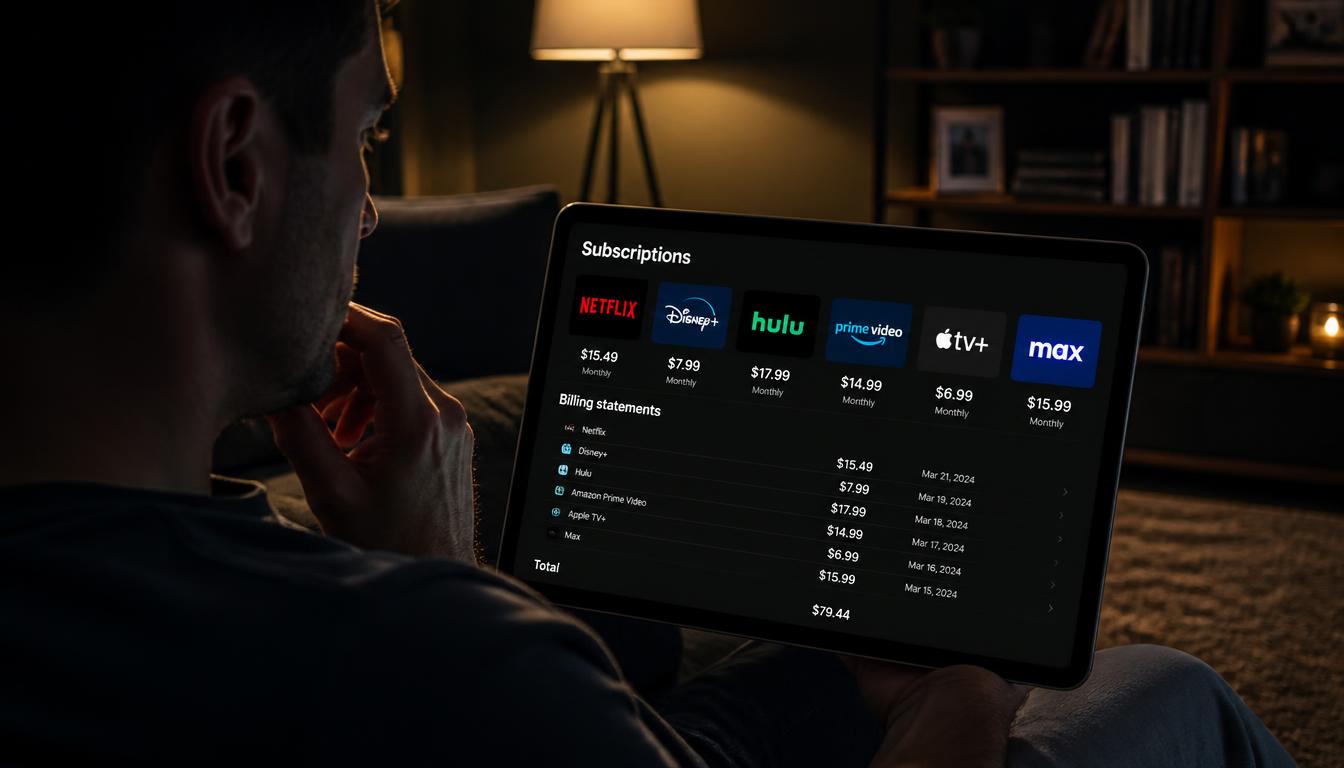
For years, the promise of streaming entertainment was simple: cut the cord, ditch the bloated cable bundle, and pay only for what you watch. However, as the digital media market has matured across the US, UK, Canada, and Australia, that promise has inverted. Households routinely juggle three to five independent streaming services—Netflix, Disney+, Max, Paramount+, Apple TV+, and niche platforms—creating a fragmented web of monthly auto-renewals.
When individual monthly fees stack up, the cumulative household expenditure often rivals or exceeds traditional cable bills. Navigating this "multi-subscription trap" requires moving beyond passive monthly billing. True digital efficiency demands a structural audit, leveraging specific credit card digital credits, exploiting annual pre-pay mathematics, and applying a disciplined household decision framework.
[Author's Perspective : Treating Household Entertainment Like a Portfolio]
Over years of monitoring household fixed overhead and digital assets, I’ve found that managing entertainment subscriptions requires the same analytical detachment as managing a portfolio. When a portfolio underperforms, you don't just keep absorbing losses; you reallocate. Yet, millions of consumers allow auto-renewals to drain capital on services they barely touch for months. My approach isn't about depriving yourself of entertainment—it's about restructuring how capital flows to these platforms, utilizing digital credits and annual discounting to capture a 15% to 25% efficiency gain without losing access to a single show.
1. The True Cost of Streaming Fragmentation
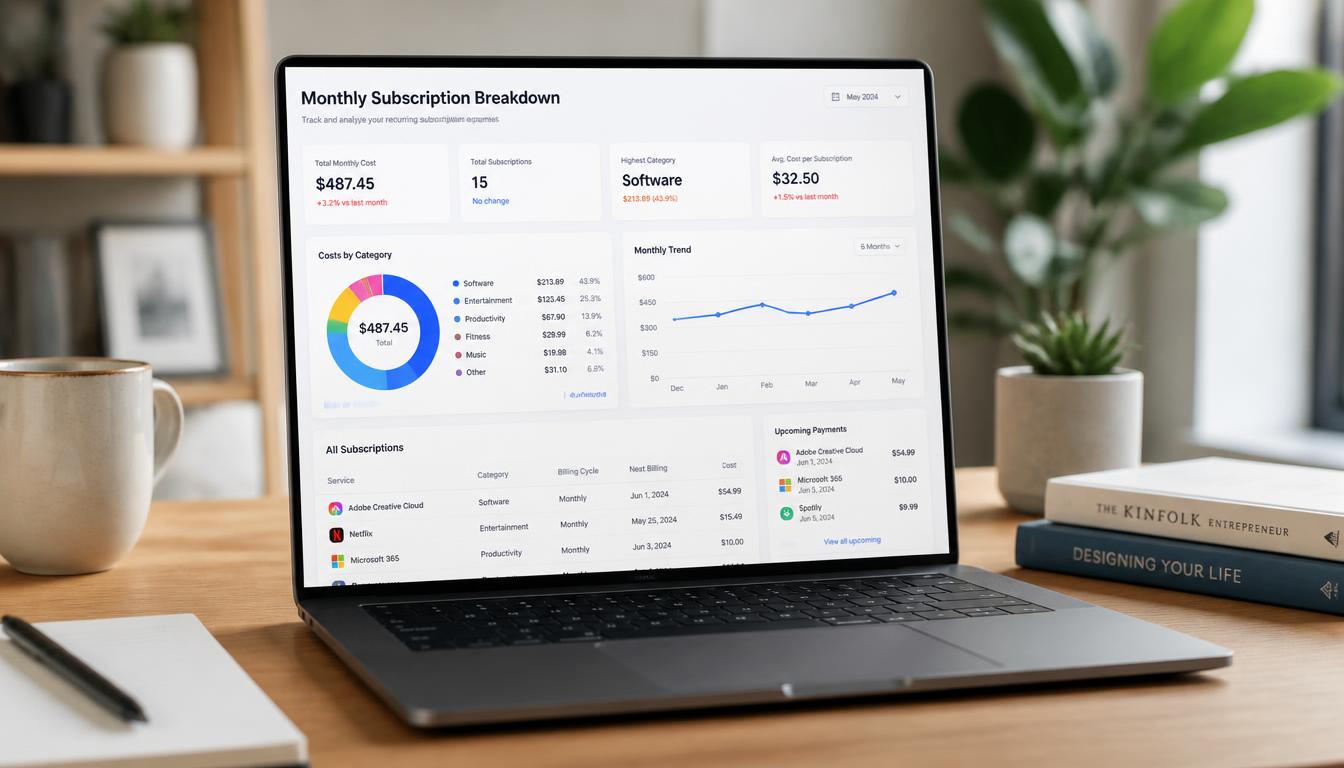
To optimize household cash flow, you must first calculate the baseline waste generated by fragmented subscriptions. In 2026, the average household subscribing to standard ad-free tiers across four major platforms (e.g., Netflix, Disney+, Max, and Prime Video) commits upwards of $70 to $85 monthly—translating to roughly $840 to $1,020 annually.
The primary pitfall is the "Rolling Monthly Inertia": keeping services active year-round even during multi-month content droughts. Unlike traditional utilities, entertainment platforms are designed for rotational consumption. Recognizing this behavioral pattern is the first step toward optimization.
📊 Standard Ad-Free Monthly Pricing (Major Anglophone Markets)
| Platform | United States (USD) | United Kingdom (GBP) | Canada (CAD) | Australia (AUD) |
| Netflix (Ad-Free Standard) | $17.99 – $19.99 | £10.99 – £11.99 | CAD $16.49 – $18.99 | AUD $18.99 – $22.99 |
| Disney+ (Ad-Free Standard) | $15.99 – $18.99 | £9.99 | CAD $16.00 | AUD $17.99 |
| Max (Ad-Free Standard) | $16.99 – $18.99 | £9.99 (via Sky/Discovery+) | CAD $19.99 | AUD $17.99 (via Partner Networks) |
| Amazon Prime Video | $14.99 (Membership) + $4.99 (Ad-Free Add-On) | £8.99 (Full Prime) | CAD $9.99 | AUD $9.99 |
* Amazon Prime Video's $14.99 membership fee includes ad-supported streaming by default. Removing ads requires an additional $4.99/month Ad-Free add-on, bringing the effective ad-free cost to $19.98/month.
Note : Pricing reflects standard ad-free tier rates across major Anglophone markets as of late August 2026 and is subject to periodic platform adjustments, regional taxes, and third-party billing variations.
2. Leveraging Credit Card Digital Credits and Statement Rewards

While telecommunications bundles often lock users into rigid multi-year contracts, optimizing your credit card ecosystem offers a flexible, non-contractual method to offset streaming overhead through specific institutional perks:
- Targeted Digital Entertainment Credits: Premium financial products, such as the American Express Platinum Card, feature dedicated digital entertainment credits (offering up to $300 annually via monthly statement credits for eligible direct-billed services like Disney+, Hulu, Paramount+, Peacock, and YouTube).
- Category Multipliers & Cash-Back Structures: Cards like the American Express Blue Cash Preferred Card are engineered specifically for recurring digital overhead, delivering up to 6% cash back on select streaming subscriptions alongside targeted monthly bundle credits.
- Strategic Card Routing: Instead of linking your subscription auto-renewals to a random debit card, routing all recurring OTT charges through a dedicated rewards card centralizes your tracking and captures maximum return value.
Step-by-Step Guide : How to Implement Strategic Card Routing
Transitioning from fragmented, haphazard payment methods to a centralized rewards ecosystem requires a simple, four-step operational workflow:
- Audit Your Current Billing Sources:
- Compile a complete list of all active streaming and digital subscriptions. Check which debit cards, old credit cards, or third-party wallets (like standard PayPal or Apple Pay) are currently tied to each individual service.
- Select a Dedicated "Digital Rewards" Card:
- Designate one primary credit card that offers optimized cash-back multipliers (e.g., 3x to 6x categories for streaming) or annual statement credits as your exclusive entertainment payment vehicle.
- Centralize Your Payment Profiles:
- Log into each OTT platform (Netflix, Disney+, Max, etc.), navigate to your account billing settings, and update the default payment instrument to your newly chosen dedicated rewards card.
- Automate Tracking and Autopay:
- Link your dedicated rewards card to your banking app's automatic full-balance payment (autopay) to avoid interest fees, and use the card issuer's mobile dashboard to view all your recurring media expenses neatly consolidated on a single monthly statement.
Matching Major Credit Cards to Your Streaming Subscriptions
To extract maximum value, you shouldn't just use any rewards card; you need to match specific financial products to the streaming platforms that trigger their highest category multipliers or statement credits:
| Credit Card | Reward / Credit Type | Best Matched Streaming Platforms | Key Benefit Mechanics |
| American Express Blue Cash Preferred® | 6% Cash Back | Netflix, Disney+, Max, Hulu, Spotify, YouTube Music | Industry-leading cash back rate specifically structured for U.S. streaming subscriptions. |
| Capital One Savor Cash Rewards | 3% Cash Back | Netflix, Disney+, Prime Video, Max, Peacock, Apple TV+ | Broad "entertainment and streaming" definition covering virtually all major OTT platforms with no annual fee. |
| Wells Fargo Autograph® | 3x Points | Netflix, Disney+, Paramount+, Crunchyroll, Apple TV+ | Versatile 3x multiplier points on streaming services, transit, and dining with zero annual fee. |
| Citi Custom Cash® Card | 5% Cash Back | Flexible (Auto-applied to your top category) | Earns 5% back on your highest eligible spending category each billing cycle (up to $500 spent), which can be dedicated entirely to streaming. |
| American Express Platinum Card® | Up to $300 Annual Statement Credit | Disney+, Hulu, ESPN+, Peacock, Max, The New York Times | Premium luxury card offering targeted monthly digital entertainment credits that directly offset select subscription fees. |
Note: Credit card rewards, merchant category classifications, and streaming eligibility definitions reflect market standards as of late August 2026 and are subject to periodic card issuer adjustments and regional variations.
3. The Economics of Annual Pre-Pays vs. Monthly Rolling

When a service is a permanent household staple (watched consistently 10 to 12 months a year), monthly rolling billing represents an unnecessary convenience tax.
Major streaming platforms frequently offer Annual Pre-Pay models. By committing upfront for 12 months, users typically secure an effective discount equivalent to getting 2 months free (~15% to 20% savings).
| Strategy | Upfront Capital | Effective Annual Cost | Flexibility / Risk | Best Suited For |
| Monthly Rolling | Low (Pay-as-you-go) | Full Retail Price | High (Cancel anytime without penalty) | Seasonal or occasional viewing platforms. |
| Annual Pre-Pay | High (12-month lump sum) | Discounted (~15%–20% lower) | Low (Strict no-refund policy mid-term) | Core household staple services viewed year-round. |
Major Streaming Platforms Supporting Annual Pre-Pay Discounts
To maximize the benefits of annual billing, consumers should identify which standalone platforms natively support 12-month pre-pay commitments over rolling monthly charges:
| Streaming Platform | Monthly Rolling Cost (Approx.) | Annual Pre-Pay Cost (Approx.) | Effective Annual Savings | Best Suited For |
| Paramount+ | ~$11.99 – $14.99 / mo | ~$89.99 – $139.99 / yr | ~17% (~$30–$35 saved annually) | Fans of CBS programming, live NFL sports, and Paramount films. |
| Peacock | ~$10.99 – $19.99 / mo | ~$109.99 – $199.99 / yr | ~15% to 17% (12 months for ~10) | Viewers seeking NBC comedies, live sports, and Universal releases. |
| Max (HBO) | ~$16.99 – $20.99 / mo | Discounted Annual Tiers | ~16% to 20% (~$45+ saved annually) | Households consuming premium scripted series and blockbuster cinema. |
| Amazon Prime | ~$14.99 / mo (if monthly) | ~$139.00 / yr | ~23% lower than monthly equivalent | Consumers combining fast shipping, e-commerce perks, and Prime Video. |
| Starz / AMC+ | ~$9.99 – $11.99 / mo | Promotional Annual Tiers | Up to 40%–50% on special pre-pays | Niche film lovers and prestige drama enthusiasts. |
Note : Pricing models, annual discount availability, and promotional structures reflect market standards as of late August 2026 and are subject to periodic platform adjustments and regional variations.
4. Actionable Framework : The Household OTT Decision Matrix
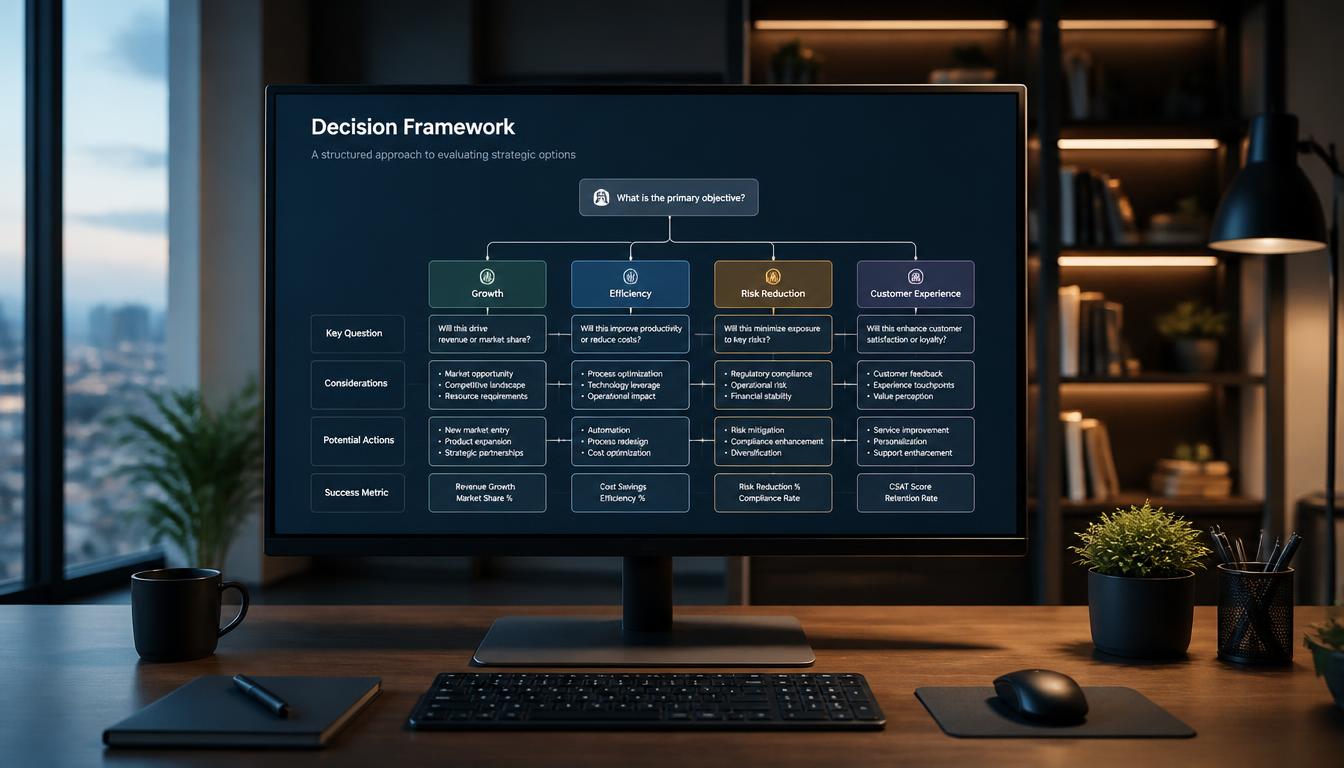
To stop bleeding money on unused subscriptions, apply this objective decision matrix to every streaming service currently active in your household:
- The 90-Day Rule Audit : Check your viewing history across each platform for the past 90 days. If a service has been accessed for less than 5 hours in total, it fails the retention test.
- The "Rotate, Don't Accumulate" Rule : For services with high-value original series that release content periodically (e.g., waiting months between seasons), standard monthly auto-renewal is a financial trap. Instead of letting subscriptions sit active in the background, you should actively rotate them.
- Step-by-Step Guide : How to Execute the Rotation Strategy
- Step 1 : Identify Seasonal-Only Platforms: List the streaming apps in your household that are only opened for specific, recurring original shows (such as a major drama series or sci-fi epic that drops once a year).
- Step 2 : Set a Cancellation Alarm: The moment you finish watching the season finale, log into your account settings and cancel the subscription immediately. (Tip: Most platforms allow you to cancel while keeping access active until your current paid billing period ends, preventing accidental auto-renewal).
- Step 3 : Build a "Binge Queue" Instead of Watching Weekly: Let episodes accumulate for months. Do not pay for a service while a show is in mid-season production.
- Step 4 : The 30-Day Activation Window: Once an entire season is fully released, re-activate the subscription for exactly one month, binge-watch your content, and immediately trigger the cancellation process again. This turns an 12-month recurring expense into a targeted 1- or 2-month micro-cost.
- Step-by-Step Guide : How to Execute the Rotation Strategy
- The Pre-Pay Threshold : If a platform passes the 90-day rule and is utilized year-round by multiple family members, immediately switch it from monthly rolling to Annual Pre-Pay to capture the 15% discount.
5. Risk Balancing : The Pitfalls of Annual Lock-ins and Content Shifts

While annual pre-pays and credit card strategies optimize spending, analysts note distinct risks:
- Non-Refundability of Annual Pre-Pays: Committing to a 12-month pre-pay saves money, but if the platform cancels your favorite show, alters its ad-tier policies, or raises prices mid-stream, you cannot claw back your capital.
- Forced Ad-Tier Migrations: Streaming platforms frequently alter their tier structures or introduce mandatory ad breaks into legacy plans upon annual renewal, occasionally degrading the user experience paid for upfront.
Smart Solution : The Hybrid Framework for Combining Annual Pre-Pays and Rewards Cards
Faced with the choice between annual pre-pay discounts and rewards-backed monthly billing, smart consumers should not choose just one—they should deploy a Hybrid Strategy. By dividing your streaming portfolio based on viewership consistency, you can eliminate waste while capturing maximum financial returns:
- For Permanent Household Staples (Deploy Annual Pre-Pays):
- For core platforms watched year-round by the entire household, bypass monthly billing entirely and lock in the native 15% to 20% annual pre-pay discount. When paying the lump-sum annual fee, charge it to a flexible cash-back or rewards card to secure an initial spending multiplier.
- For Rotational / Seasonal Services (Deploy Rewards-Backed Monthly Rolling):
- For niche or periodic platforms activated only for specific shows, keep them strictly on monthly rolling terms to maintain cancellation flexibility. However, never link these to a random debit card; always route the recurring monthly charges through an optimized streaming rewards card (such as the Amex Blue Cash Preferred for 6% back or Capital One Savor for 3% back) to continuously harvest micro-cash-back on every billing cycle.
By pairing platform-level annual discounts for permanent fixtures with rewards-backed monthly management for rotational services, households achieve a bulletproof, double-dipping savings structure that neutralizes subscription fatigue and operational risk alike.
Conclusion : Sustainable Digital Housekeeping

Managing your digital entertainment overhead does not require cutting out the things you enjoy. By treating your subscriptions with analytical rigor—auditing your 90-day usage, maximizing credit card digital credits like Amex entertainment statements, strategically deploying annual pre-pays for core staples, and rotating seasonal services—you can legally and systematically defend your household budget. Sustainable digital housekeeping turns passive spending into an intentional, optimized system.
[Personal Reflection: A Consumer's Lesson Learned]
"Looking back, I’m certainly no stranger to the subscription trap. I remember eagerly signing up for rolling monthly plans just to catch global cultural phenomena like Game of Thrones or Squid Game as they aired, completely ignoring credit card rewards, category multipliers, or annual pre-pay discounts. It was pure, unfiltered impulse viewing.
Moving forward, however, I’ll be taking a much more deliberate approach—auditing my household's actual viewing habits, strategically rotating seasonal services, and making sure every recurring dollar is properly matched with the right rewards structure. After all, smart digital budgeting isn't about giving up the entertainment we love; it's simply about making sure we pay for it on our own terms."
[Disclaimer]
This content is provided for informational purposes only and does not constitute financial, investment, legal, or tax advice. All subscription and purchasing decisions are at the sole discretion of the reader. Please be aware that annual pre-pay commitments and promotional credit terms involve contractual rules, and canceling services mid-term can carry forfeiture risks.