"How could the Inuit, thriving on an extreme, fat-heavy carnivorous diet in the sub-zero Arctic barrens where not a single blade of green grows, possess such pristine, healthy blood vessels?"
In the early 1970s, an intriguing epidemiological paradox sent shockwaves through modern medical science. It marked the dawn of our scientific understanding of Omega-3 fatty acids.
Yet, amid the sea of fish oil supplements saturating the global wellness market, how do you distinguish truly bioavailable, ultra-purified formulations capable of quenching systemic chronic inflammation from oxidized, low-grade oils? Moving far beyond superficial product reviews, this comprehensive guide explores the scientific foundations of Omega-3: from its historical Arctic discovery and supercritical rTG molecular purification to targeted post-surgical recovery protocols, synergetic nutrient pairings, and its emerging pharmacological interplay with Artemisia annua (Sweet Wormwood).
[Introduction] The Secret of the Arctic Heart : The Discovery of Omega-3 and Modern Imbalances

The Origin of Cardiovascular Resilience: From the 1970s Greenland Inuit Expeditions to Essential Fatty Acid Biochemistry
In the early 1970s, young Danish hematologist Dr. Jørn Dyerberg became captivated by a startling statistical anomaly. Despite enduring sub-zero polar extremes in Greenland on an exclusive diet of blubber-rich seal, whale, and walrus meat—completely devoid of fresh fruits, vegetables, or dietary fiber—the indigenous Inuit population exhibited an incidence of fatal cardiovascular disease less than one-tenth that of mainland Danes.
By conventional dietary consensus, this outcome was inexplicable. How could individuals consuming an extreme, high-fat carnivorous diet remain virtually immune to myocardial infarctions and ischemic strokes?
Driven by scientific inquiry, Dr. Dyerberg navigated the frozen expanses of Greenland via dog sled to collect 130 blood samples from the native Inuit. Laboratory analysis back in Denmark unveiled a groundbreaking revelation: their plasma was saturated with unprecedented concentrations of long-chain polyunsaturated fatty acids—specifically Eicosapentaenoic Acid (EPA) and Docosahexaenoic Acid (DHA)—concentrated up the polar marine food chain from microalgae and cold-water fish to marine mammals.
[ Evolutionary Baseline ]   Omega-6 : Omega-3  ===>  1:1 to 4:1   (Homeostatic Immunity)
[ Modern Western Diet   ]   Omega-6 : Omega-3  ===>  15:1 to 20:1 (Systemic Silent Inflammation)
The human body lacks the enzymatic machinery to de novo synthesize long-chain Omega-3 fatty acids efficiently, rendering them essential dietary fatty acids. The human genome evolved under an ancestral dietary ratio of Omega-6 to Omega-3 hovering between 1:1 and 4:1—a balance optimal for cellular integrity and controlled immune responses.
Conversely, the contemporary Western diet, inundated with ultra-processed foods, refined seed oils, and grain-fed livestock, has driven this ratio to a pathological 15:1 or even 20:1. This severe evolutionary mismatch transforms the vascular endothelium into a silent furnace of chronic, low-grade inflammation, establishing targeted Omega-3 supplementation as a modern biological necessity.
[Sourcing & Purification] From Deep-Sea Pelagics to Softgel: Biomass Selection and Molecular Evolution

The Multi-Stage Purification of High-Purity rTG Omega-3 via Low-Temperature Supercritical CO2 Fractionation
When evaluating Omega-3 formulations, two critical biological risks must be mitigated: xenobiotic bioaccumulation (heavy metals such as methylmercury, lead, cadmium, and microplastics) and lipid peroxidation (rancidity). The foundation of clinical-grade Omega-3 depends strictly on the ecological trophic level of the marine raw material.
1. Sourcing at the Base of the Marine Food Web (Trophic Levels 2–3)
- Small Pelagic Fish (Anchovies, Sardines, Mackerel Fry) : Sourced primarily from clean, nutrient-dense cold currents like the South Pacific Humboldt Current. With brief lifespans of 12 to 24 months, these species avoid the progressive bioaccumulation of mercury, polychlorinated biphenyls (PCBs), dioxins, and microplastics characteristic of apex marine predators (tuna, swordfish, shark, or farmed salmon).
- Marine Microalgae (Schizochytrium sp.) : Bypassing the marine food chain entirely, heterotrophic microalgae are cultivated in closed, sterile bio-fermenters. This pure vegan source yields native, solvent-free EPA/DHA without marine odor, oceanic contaminants, or ecological strain.
2. Precision Refining: From Crude Lipid to Pharmaceutical Softgel
Raw crude fish oil undergoes multi-step fractionated purification before encapsulation:
- Deacidification & Degumming : Neutralizes free fatty acids, hydratable phosphatides, and non-lipid marine impurities through enzymatic or physical separation.
- Bleaching & Vacuum Deodorization : Utilizes activated bleaching earth and high-vacuum thermal-molecular deodorization to strip out oxidative secondary compounds and volatile amines responsible for unpleasant fishy odors.
- Winterization : Lowers operating temperatures to selectively crystallize and filter out saturated fats, preserving only pristine polyunsaturated lipids.
- Low-Temperature Supercritical $CO_2$ Fractionation : Eliminates harsh petrochemical solvents (such as hexane). By utilizing dense-phase carbon dioxide in a supercritical state below 50°C, target EPA and DHA fractions are concentrated without thermal degradation or double-bond isomerization.
3. The Three Generations of Molecular Structure
| Generation | Chemical Structure | Core Advantages | Pharmacological Limitations |
| 1st Gen (TG) Natural Triglyceride |
1 Glycerol backbone esterified with 1 PUFA + 2 Saturated/Monounsaturated Fatty Acids | Native molecular form; recognized by gastric and pancreatic lipases, ensuring high natural bioavailability. | Saturated fats dilute the matrix, yielding a low EPA+DHA concentration of ~30%. |
| 2nd Gen (EE) Ethyl Ester |
Glycerol backbone cleaved; 1 PUFA conjugated to 1 Ethanol molecule | Enables fractional molecular distillation, concentrating EPA+DHA purity above 70–80%. | Lacks a glycerol backbone; delayed pancreatic lipase hydrolysis significantly reduces intestinal absorption kinetics. |
| 3rd Gen (rTG) Re-esterified Triglyceride |
Ethanol stripped away; 3 concentrated PUFA molecules re-esterified onto a pure Glycerol backbone | Combines maximum physiological bioavailability with ultra-high purity (>80–90% active EPA+DHA). | Complex multi-stage enzymatic re-esterification demands advanced bioreactors, resulting in higher manufacturing costs. |
[Mechanism of Action] Fluidizing the Cellular Membrane : The Dual Biochemical Pillars of EPA and DHA

Biochemical Mechanisms of EPA and DHA Integrating into the Phospholipid Bilayer to Enhance Membrane Fluidity and Receptor Signaling
The term Omega-3 does not refer to a single compound, but rather to an entire family of polyunsaturated fatty acids characterized by a carbon-carbon double bond at the third carbon atom from the methyl end ($\omega$-3).
While plant-derived forms such as Alpha-Linolenic Acid (ALA) exist in flaxseeds and chia, the true physiological workhorses in human biology are Eicosapentaenoic Acid (EPA) and Docosahexaenoic Acid (DHA). Because the human enzymatic conversion rate of ALA into active EPA and DHA is inefficient (typically below 5–10%), direct dietary intake of high-grade marine or algal oils is essential.
Dietary Intake (EPA & DHA) ───► Integrated into Phospholipid Bilayer ───► Enhanced Membrane Fluidity
                                                                          ├── Receptors: Insulin & Hormones Optimized
                                                                          ├── EPA: Anti-inflammatory Resolvins & Blood Flow
                                                                          └── DHA: Synaptic Plasticity & Retinal Protection
1. The Universal Cellular Mechanism : Restoring Membrane Fluidity
Once absorbed, EPA and DHA do not merely serve as metabolic fuel; they embed directly into the phospholipid bilayer surrounding all 37 trillion cells in the human body.
- Rigid Lipids vs. Dynamic Lipids : Saturated fats (found in dairy, meat, and processed foods) pack tightly together, creating stiff, rigid cell membranes. In contrast, Omega-3 fatty acids feature multiple cis-double bonds that introduce natural kinks in their hydrocarbon chains, creating physical space between adjacent lipid molecules.
- Optimized Signal Transduction : This fluid, pliable membrane architecture allows surface receptors—such as insulin receptors, neurotransmitter docking sites, and nutrient transport channels—to move freely and transmit biochemical signals rapidly and accurately.
2. EPA (Eicosapentaenoic Acid) : The Vascular Sweeper and Natural Anti-Inflammatory
- Biochemical Profile : A 20-carbon chain with 5 double bonds ($20:5\ \omega\text{-}3$), acting primarily within the bloodstream, vascular endothelium, and systemic immune system.
- Key Mechanisms and Clinical Benefits
- Hemodynamic Flow & Antithrombotic Action : Inhibits the production of Thromboxane $A_2$ ($\text{TXA}_2$), a potent platelet aggregator and vasoconstrictor, while promoting vasodilatory prostacyclins ($\text{PGI}_3$) to maintain clean, unobstructed microcirculation.
- Quenching Systemic Inflammation : Displaces inflammatory Arachidonic Acid (Omega-6) from cell membranes, reducing pro-inflammatory cytokines and serving as a substrate for Specialized Pro-resolving Mediators (SPMs) like Resolvins and Protectins to actively terminate chronic inflammatory cascades.
- Triglyceride Modulation : Downregulates hepatic lipogenesis and inhibits Very-Low-Density Lipoprotein (VLDL) synthesis, directly reducing elevated serum triglycerides (TG).
3. DHA (Docosahexaenoic Acid) : Structural Scaffold for Brain, Nerves, and Retina
- Biochemical Profile : A 22-carbon chain with 6 double bonds ($22:6\ \omega\text{-}3$). Highly flexible and conformationally dynamic, concentrating heavily in central nervous system tissues and the retina.
- Key Mechanisms and Clinical Benefits
- Neuronal Membrane & Synaptic Integrity : Constitutes a major structural lipid in the cerebral gray matter. Protects synaptic membranes, facilitates neurotransmitter release (such as dopamine and serotonin), supports cognitive clarity, and mitigates neuro-fatigue.
- Retinal Photoreceptor Protection : The retina is constantly exposed to oxidative stress from light exposure. DHA maintains the structural integrity of rhodopsin-containing disc membranes, supporting visual acuity and light signal processing.
- Dry Eye Relief : Resolves chronic micro-inflammation in the eyelid's Meibomian glands, improving the quality of the tear film lipid layer to alleviate persistent dry eye symptoms.
Takeaway: If EPA serves as the systemic firefighter that cleanses the bloodstream and calms vascular inflammation, DHA acts as the specialized architectural timber that builds the brain, eyes, and neural networks. Balancing both forms provides comprehensive whole-body support.
[Practical Guide] The No-Fail Protocol: Dosage, Meal Timing, and Supplement Synergies

Maximizing Bioavailability with Post-Meal Timing and Synergistic Nutrient Stacks (Vitamin E, CoQ10, and Lipid Carriers)
When purchasing Omega-3 supplements, consumers often encounter front-label claims boasting "1,200 mg Fish Oil." However, this number represents the total weight of the encapsulated oil, not the actual therapeutic payload.
The true clinical metric is the combined sum of active EPA + DHA listed on the Supplement Facts panel.
1. Calculating Your Target Daily Dose
Tailor your daily intake to your specific health objectives based on the actual sum of EPA and DHA:
- Foundational Maintenance & Deficiency Prevention (500–1,000 mg/day active EPA+DHA)
- Recommended for healthy adults with low dietary intake of fatty fish seeking baseline cardiovascular and ocular maintenance.
- Targeted Vascular Care & Chronic Inflammation Management (1,000–2,000 mg/day active EPA+DHA)
- Indicated for individuals with elevated triglycerides, joint stiffness, inflammatory skin conditions, or high cognitive and metabolic demands.
- Therapeutic Adjunct Under Clinical Guidance (2,000–4,000 mg/day active EPA+DHA)
- Used for severe hypertriglyceridemia or targeted clinical support under medical supervision. Unsupervised long-term use above 3,000 mg/day should be monitored to prevent excessive bleeding or delayed clotting.
2. Optimal Timing : Why Post-Meal Ingestion Is Non-Negotiable
Taking Omega-3 on an empty stomach with water can waste a significant portion of the dose:
- Always Take Immediately After a Fat-Containing Meal
- Omega-3s are lipophilic (fat-soluble) molecules requiring pancreatic lipase and bile acids for emulsification and micelle formation. Bile is released only when food—specifically dietary fat—reaches the duodenum. Taking Omega-3 after a meal can increase intestinal absorption by up to 300%.
- Preventing the Dreaded "Fish Burps"
- Taking softgels on an empty stomach causes them to dissolve in acidic gastric juice near the esophageal sphincter. Ingesting them mid-meal or directly after a meal buries the capsule within the food bolus, eliminating fishy reflux.
3. Supplement Synergies : High-Performance Stacks vs. Critical Interactions
Synergistic Nutrient Stacks (Positive Interactions)
- Vitamin E (Mixed Tocopherols) & Astaxanthin (Oxidative Defense) : Polyunsaturated fatty acids are vulnerable to intracellular oxidation. Co-ingesting fat-soluble antioxidants like Vitamin E or Astaxanthin shields the double bonds from lipid peroxidation, ensuring safe delivery into cell membranes.
- Vitamin D3 & Lutein (Bioavailability Boosters) : Vitamin D3 and macular carotenoids (lutein/zeaxanthin) are fat-soluble compounds. Co-administering them within an Omega-3 lipid base facilitates micelle integration and improves intestinal transport.
- Coenzyme Q10 / Ubiquinol (Cardiovascular Synergy) : While EPA clears vascular debris and lowers triglycerides, CoQ10 fuels ATP generation within myocardial mitochondria and supports endothelial nitric oxide release, providing complementary cardiovascular support.
Antagonistic & High-Risk Combinations (Require Spacing or Caution)
- Chitosan, Garcinia, & Soluble Fiber Binders (Absorption Blockers) : Fat-binding weight loss supplements (such as chitosan or psyllium husk) trap dietary lipids in the gastrointestinal tract and excrete them. Take these binders at least 2 hours apart from your Omega-3 softgels.
- Prescription Blood Thinners (Aspirin, Warfarin, Plavix) : High-dose Omega-3 enhances anti-platelet and anti-thrombotic activity. When combined with prescription anticoagulants or high-dose Ginkgo biloba, coordinate with your prescribing physician to monitor coagulation parameters and prevent bleeding risks.
Omega-3 Protocol & Synergy Matrix
| Category | Guideline & Target | Clinical Rationale & Actionable Tip |
| Dosage Guidelines | Maintenance: 500–1,000 mg EPA+DHA Therapeutic: 1,000–2,000 mg EPA+DHA |
• Check the Supplement Facts label for pure EPA+DHA, not gross fish oil weight. • Use $\ge$1,000 mg for elevated triglycerides or joint discomfort. |
| Optimal Timing | Immediately post-meal (Lunch or Dinner) | • Stimulates bile acid secretion to maximize bioavailability. • Prevents gastrointestinal distress and fishy reflux. |
| Best Synergies | Vitamin E, CoQ10, Vitamin D3, Lutein | • Protects against internal lipid peroxidation. • Enhances absorption of fat-soluble cofactors. • Delivers synergistic vascular and mitochondrial benefits. |
| Cautions & Spacing | Chitosan / Fiber Binders (Fat binders) Anticoagulants / Aspirin (Blood thinners) |
• Space fat binders at least 2 hours apart to prevent nutrient loss. • Consult your physician if combining high-dose Omega-3 with prescription blood thinners. |
[Selection Criteria] The 3-Step Quality Checklist : Cutting Through the Marketing Noise
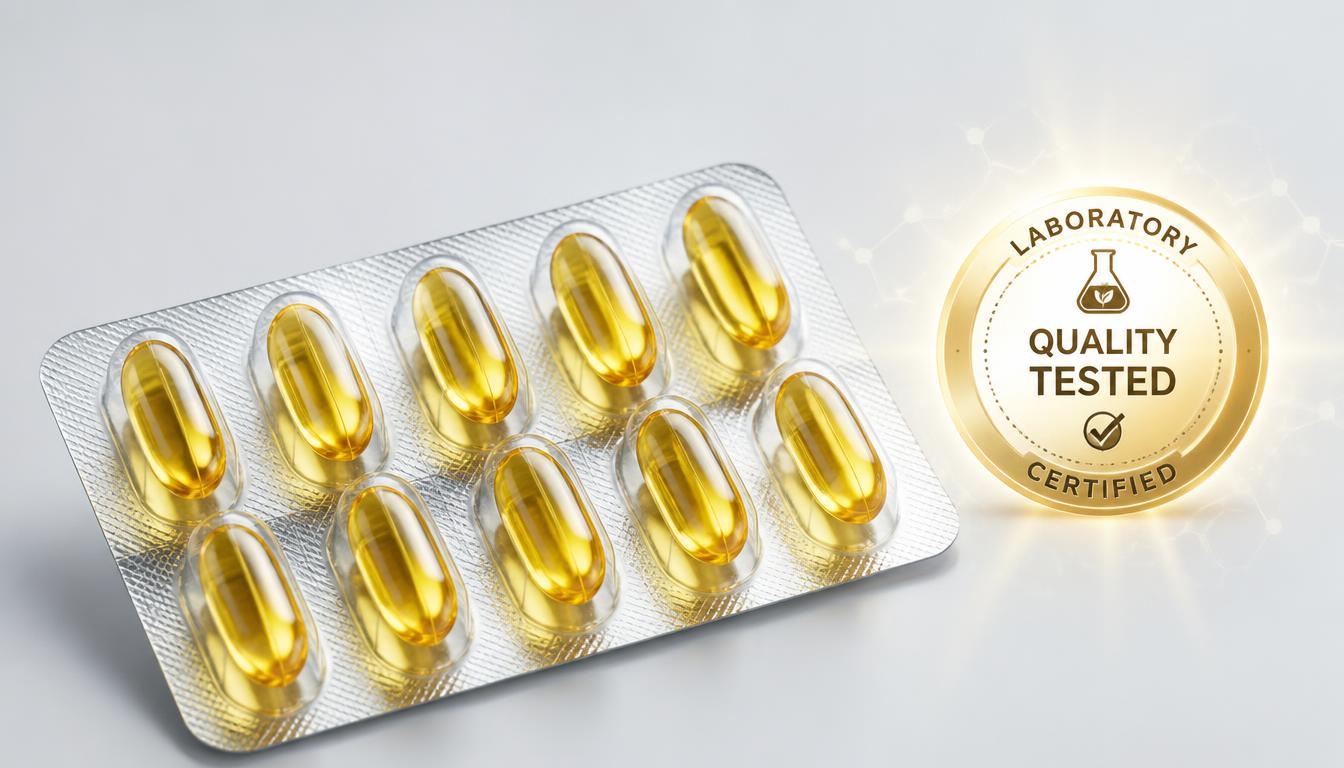
Aluminum Blister Packaging for Oxidation Prevention and Internationally Recognized Third-Party Quality Certifications
Amid flashy marketing claims and endless brand options, identifying a high-purity, bioavailable Omega-3 is straightforward. You only need to verify three essential quality markers on the Supplement Facts panel and manufacturer specifications.
1. The 3-Second Pre-Purchase Quality Checklist
- Check 1 : Sourced from a Leading Global Lipid Manufacturer?
- While countless brands encapsulate and market consumer products, only a handful of specialized biochemical facilities possess patented, multi-stage supercritical refining technologies. Look for recognized global bulk raw-material suppliers such as KD Pharma (Germany), Solutex (Spain), GC Rieber (Norway), or Epax (Norway). If a brand sources from these leaders, raw material purity, molecular consistency, and strict contaminant filtration are well-established.
- Check 2 : Certified by IFOS (5-Star) or Third-Party Tested (USP / NSF)?
- Verify whether the batch has earned a 5-Star Rating from the International Fish Oil Standards (IFOS) program, which tests for oxidation parameters (Peroxide Value, Anisidine Value, Total Oxidation/TOTOX), heavy metals, PCBs, and radiation. In the North American market, certifications from USP (United States Pharmacopeia) or NSF International serve as strong trust indicators for label accuracy and contaminant screening.
- Check 3 : Packaged in Unit-Dose Blister Packs (PTP) or Light-Shielding Dark Glass?
- Clear, bulk plastic bottles containing 180 to 240 softgels introduce oxygen and ambient humidity every time the lid is opened, accelerating lipid peroxidation (rancidity) over weeks of use. Opt for individually sealed aluminum blister packs (PTP) or nitrogen-flushed, dark amber glass containers to preserve freshness down to the final softgel.
2. Benchmark Products & Formulations in the Global Market
These widely recognized, high-purity formulations are known for verified sourcing, third-party testing, and manufacturing transparency:
- The High-Yield Value Standard (Daily High-Potency rTG)
- Sports Research (SR) Triple Strength Omega-3 Fish Oil
- A leading high-potency benchmark in North America. Utilizes wild-caught Alaska Pollock and Solutex-purified concentrates in the bioavailable rTG form. Delivers roughly 1,040 mg of active EPA+DHA per single softgel, holds IFOS 5-Star and MSC sustainability certifications, and offers solid cost-efficiency. (Note: Standard bottles contain bulk softgels; store in a cool, dark cabinet or refrigerate after opening to maintain low TOTOX levels).
- Sports Research (SR) Triple Strength Omega-3 Fish Oil
- Clinical-Grade & Practitioner Brands (Purity & Strict Quality Control)
- Nordic Naturals (Ultimate Omega / ProOmega Series)
- A long-standing clinical gold standard. Provides purified natural triglyceride (TG/rTG) forms with non-GMO verification, extensive third-party testing for environmental toxins, and a reputation for minimal fishy aftertaste.
- Thorne (Super EPA / Advanced DHA) & Pure Encapsulations (O.N.E. Omega)
- Highly regarded among functional medicine practitioners and integrative physicians. These formulations feature molecularly distilled, solvent-free lipid profiles with strict hypoallergenic standards, avoiding artificial fillers, coatings, or synthetic preservatives.
- Nordic Naturals (Ultimate Omega / ProOmega Series)
- Plant-Based Microalgae Leaders (Pure Vegan & Prenatal Care)
- Nordic Naturals Algae Omega / Testa Omega-3 Algae Oil
- Ideal for vegans, expectant mothers, or individuals sensitive to marine odors. Sourced directly from closed-system, sterile microalgal fermentation (Schizochytrium sp.), completely bypassing ocean contaminants while providing balanced, bioactive EPA and DHA.
- Nordic Naturals Algae Omega / Testa Omega-3 Algae Oil
3. Market Pricing Tiers & Cost Considerations
| Classification | Average Monthly Cost (USD) | Estimated Cost per Day | Target Audience & Clinical Intent |
| Mainstream rTG (Value Focused) | $18 – $28 / month | ~$0.60 – $0.90 / day | • Baseline health maintenance (600–1,000 mg EPA+DHA) • Reliable daily supplementation on a budget |
| Clinical-Grade & Blister-Sealed | $35 – $55 / month | ~$1.20 – $1.80 / day | • Targeted metabolic, vascular, or joint support ($\ge$1,000–2,000 mg) • Maximized oxidation protection and professional-tier purity |
| Pure Microalgal Vegan / Specialized | $45 – $65 / month | ~$1.50 – $2.20 / day | • Prenatal, nursing, or strict vegan consumers • Zero fish-derived allergen exposure |
💡 Smart Purchasing Strategy : Be cautious of oversized, deeply discounted value jugs priced under $10 for a multi-month supply. These are often low-grade 2nd-generation Ethyl Ester (EE) oils with minimal purification, high saturated fat ratios, or elevated oxidation markers. Remembering the simple benchmark—Supercritical Extraction + rTG Form + IFOS/Third-Party Testing + Protective Packaging—ensures you choose an effective, bioavailable formulation.
[Bio Deep Dive 1] Artemisia annua (Sweet Wormwood) & Omega-3: Lipid Carriers and Research Interest
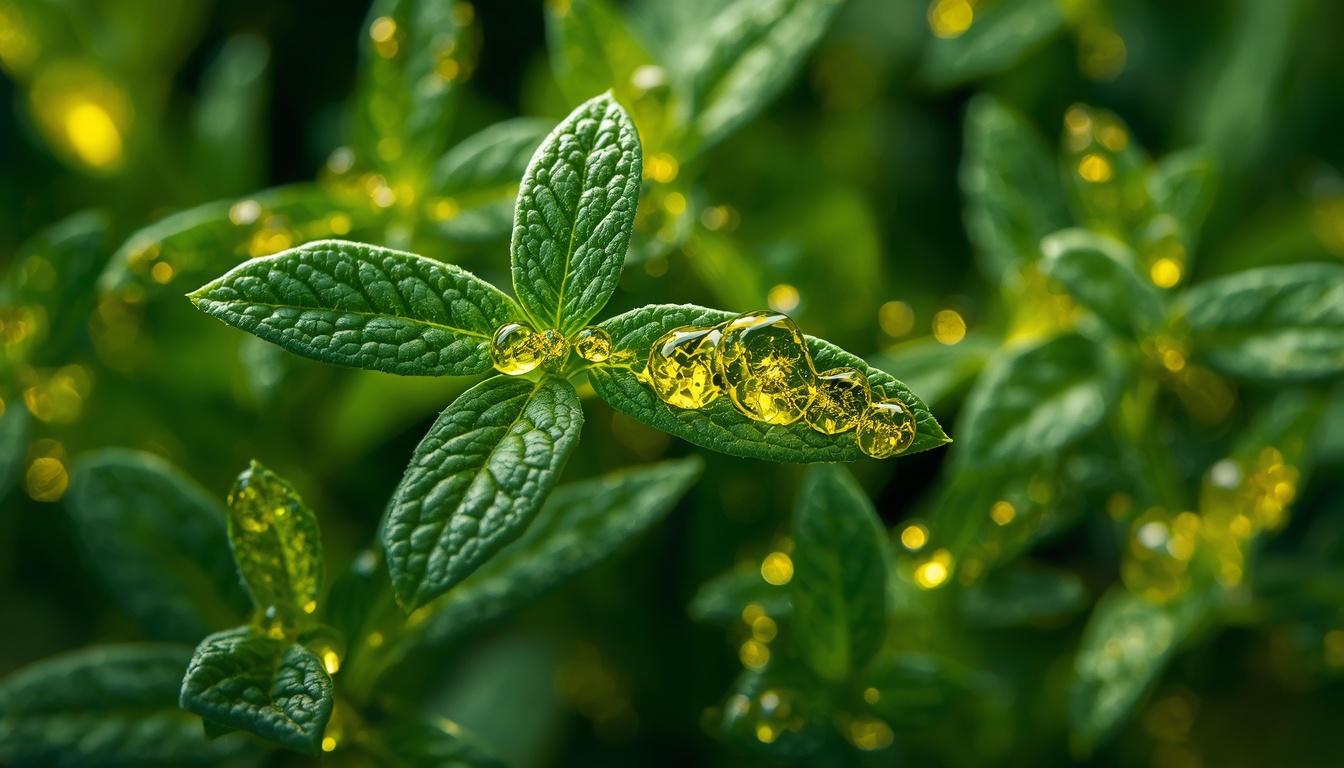
An emerging area of preclinical research examines the potential co-administration of Omega-3 fatty acids with Artemisia annua (Sweet Wormwood) extract.
Artemisia annua is best known for containing Artemisinin, the Nobel Prize-winning antimalarial compound. Laboratory (cell and animal-model) research has also explored Artemisia-derived compounds, including flavonoids, for anti-inflammatory activity via pathways like NF-kappaB. It's worth being clear that this research is at the preclinical stage — it demonstrates biological mechanisms of scientific interest, not an established human treatment effect, cancer-related or otherwise.
Within that research context, two mechanisms are of interest to scientists studying this area:
- Dual-Pathway Inflammation Research: Omega-3s have well-established anti-inflammatory effects via COX-2 suppression. Some researchers are separately studying whether Artemisia phytochemicals might act on different inflammatory pathways (TNF-alpha, IL-6, NF-kappaB), which would be complementary if confirmed in further research.
- Lipid Carrier & Bioavailability: Many of the active compounds in Artemisia annua have limited intestinal absorption when taken as simple aqueous infusions. Laboratory research suggests that co-administering them with lipids may improve absorption via micelle formation — a pharmacokinetic observation, not a treatment recommendation.
[Bio Deep Dive 2] Co-Administration of Vitamin B3 (Nicotinamide) & Omega-3 : The Vascular and Epigenetic Ensemble
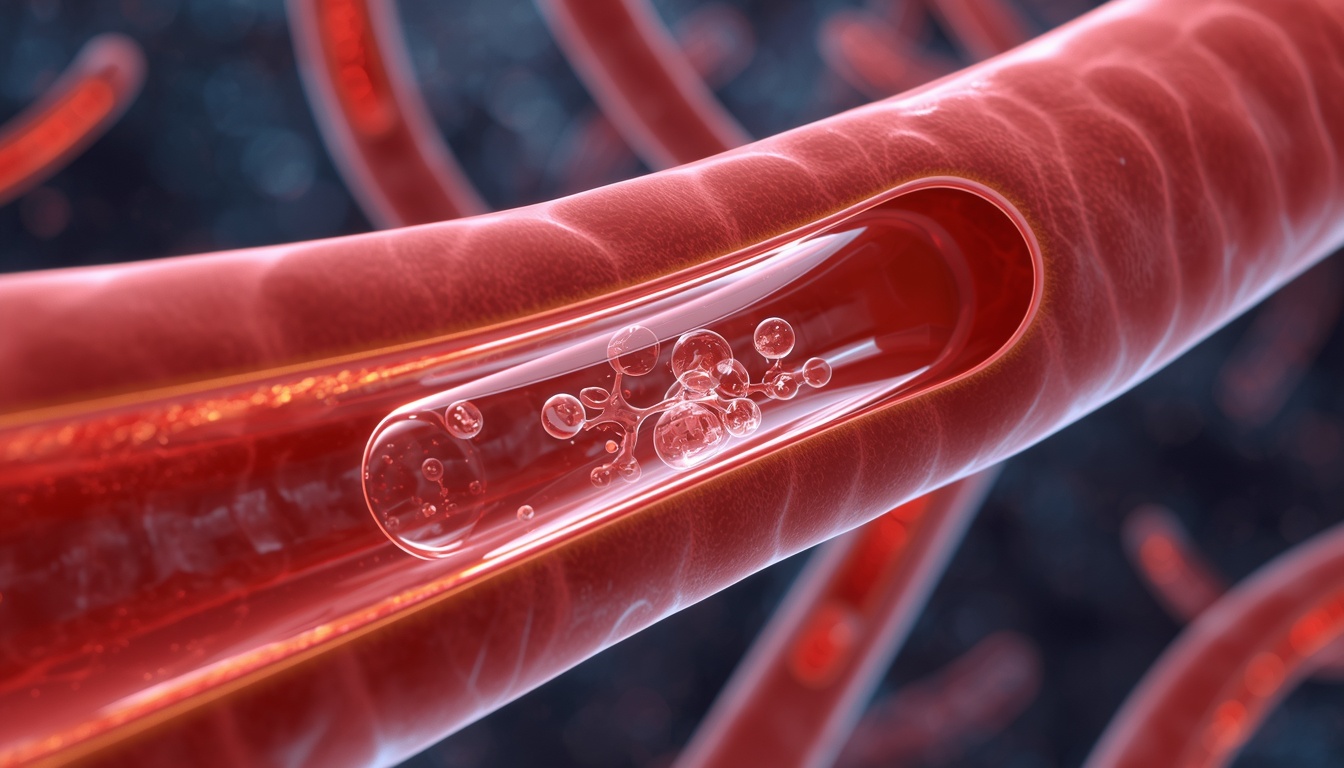
Interaction Between Vitamin B3 (NAD+) and Omega-3 in Revitalizing Endothelial Cells and Improving Lipid Profiles
Vitamin B3 (Niacin / Nicotinamide) serves as a direct precursor to Nicotinamide Adenine Dinucleotide (NAD+), an indispensable coenzyme for cellular energy metabolism, sirtuin-mediated DNA repair, and epigenetic stability. When combined with the vascular-clearing actions of Omega-3, this pairing creates an optimal biochemical matrix targeting dyslipidemia, endothelial dysfunction, and vascular aging.
[ Omega-3 (EPA) ] ──► Downregulates Hepatic VLDL Synthesis ──► Drops Serum Triglycerides (TG)
                                        +
[ Vitamin B3    ] ──► Upregulates ApoA-I & Inhibits CETP   ──► Elevates Functional HDL & Lowers Lp(a) / sdLDL
                                        ▼
                     [ Comprehensive Vascular Lipid Optimization ]
1. Complementary Lipid Profile Modulation
Atherogenic dyslipidemia is a multi-factorial pathology characterized by elevated triglycerides (TG), dense small low-density lipoproteins (sdLDL), and diminished high-density lipoproteins (HDL). Omega-3 and Vitamin B3 address these pathways simultaneously:
- Omega-3 (EPA) : Inhibits diacylglycerol acyltransferase (DGAT) in the liver, directly downregulating VLDL synthesis and dramatically reducing circulating serum triglycerides.
- Vitamin B3 (Niacin / Nicotinamide) : Promotes Apolipoprotein A-I production to raise functional HDL while uniquely suppressing hepatic synthesis of Apolipoprotein(a)—lowering Lipoprotein(a) [Lp(a)] and atherogenic small, dense LDL (sdLDL) particles.
- Clinical Result : EPA drives down dangerous triglyceride levels, while Vitamin B3 improves overall lipoprotein particle quality and raises protective HDL.
2. Endothelial Bioenergetics (NAD+) and Membrane Fluidity Synergy
- Endothelial Nitric Oxide Synthase (eNOS) Upregulation: Omega-3 fluidizes the endothelial cell membrane, facilitating receptor movement. Concurrently, B3-derived NAD+ restores mitochondrial bioenergetics, driving endothelial nitric oxide (NO) production to promote arterial vasodilation and vascular elasticity.
- Double-Layered Oxidative and DNA Defense: NAD+ fuels PARP-mediated base excision repair and sirtuin activation (SIRT1), while Omega-3 downregulates reactive oxygen species (ROS) production, protecting the arterial wall against oxidative stress and inflammatory injury.
3. Clinical Intake Protocol: Sourcing & Timing
- Nicotinic Acid vs. Nicotinamide
- While traditional Nicotinic Acid exerts potent lipid-altering effects, it frequently triggers uncomfortable prostaglandin-mediated cutaneous flushing.
- For routine anti-aging, $\text{NAD}^+$ boosting, cellular repair, and vascular maintenance without flushing, Nicotinamide (or advanced $\text{NAD}^+$ precursors like NMN/NR) offers a well-tolerated, practical alternative.
- Optimal Timing : Ingest both components together immediately after breakfast or lunch with dietary fat to optimize absorption and support sustained daytime cellular energy production.
[Bio Deep Dive 3] Clinical Considerations : Supportive Care Discussion Points
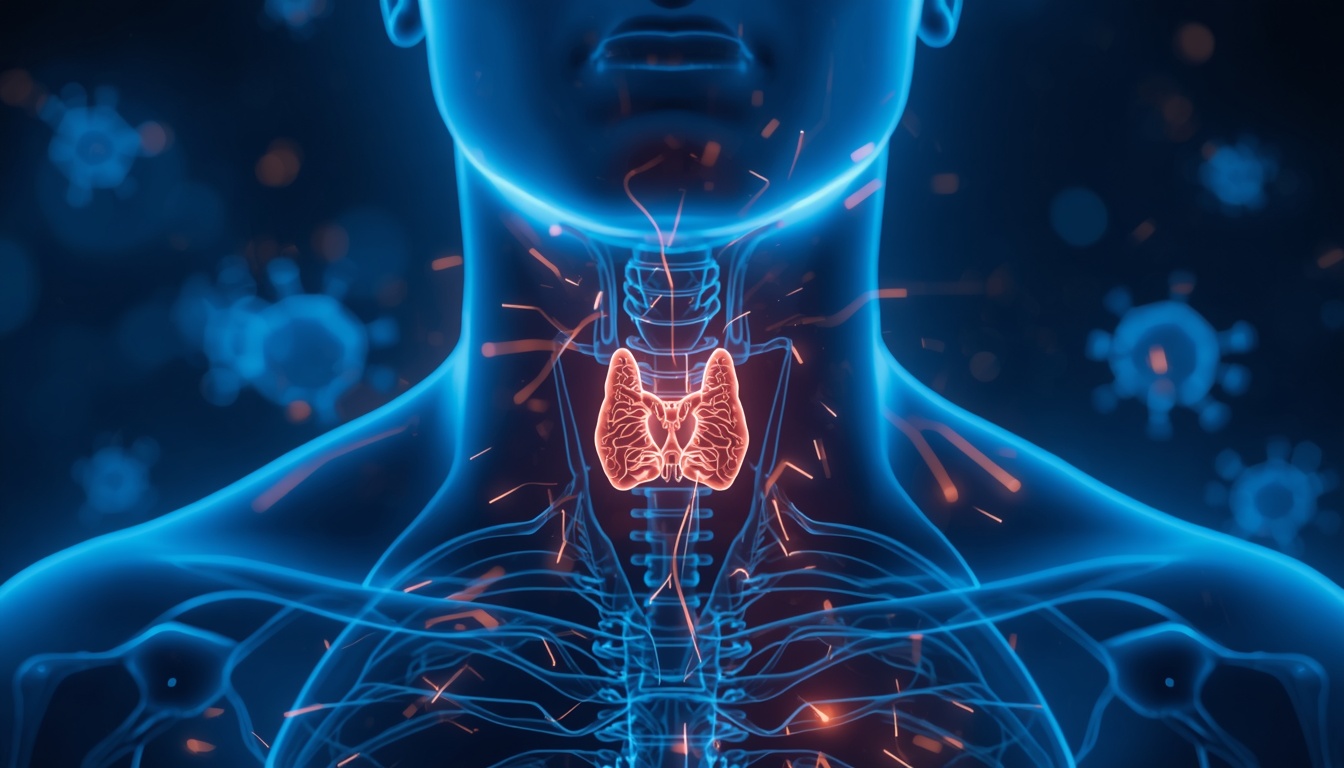
Condition-Tailored Omega-3 Intake Strategies Aiding Post-Surgical Inflammation Control, Metabolic Balance, and Disease Prevention
A Starting Point for Conversations With Your Medical Team — Not a Self-Directed Protocol
The considerations below are areas of ongoing research and clinical discussion in supportive/integrative oncology and postoperative care. They are presented here to help readers have an informed conversation with their physician or oncology team — not as a dosing protocol to self-administer, particularly for anyone currently in active cancer treatment or recovering from surgery.
1. Considerations Following Thyroid or Other Cancer Surgery
Patients undergoing surgical procedures, including thyroidectomy for differentiated thyroid carcinomas, sometimes experience postoperative metabolic shifts, fatigue, surgical adhesions, and altered lipid kinetics. Omega-3's general physiological effects are relevant to some of these areas of research interest:
- Lipid Metabolism: Thyroid hormone levels affect hepatic LDL receptor expression and lipid clearance, and EPA's established triglyceride-lowering effect is sometimes discussed in this context by physicians.
- Tissue Healing: EPA and DHA support the synthesis of Specialized Pro-resolving Mediators (Resolvins, Protectins), which are studied for their role in tissue repair — this is a legitimate area of research, though translating it into a specific "recovery protocol" should be your surgical team's call, not a self-administered regimen.
- Dry Eye After Radioactive Iodine Therapy: Ablative iodine-131 therapy can cause dry eye and mucosal dryness; DHA's role in supporting tear film and meibomian gland health is a reasonable topic to raise with your care team if you're experiencing this.
⚠️ Important Surgical Safety Note: Omega-3's mild platelet-inhibitory effect means it is standard practice to discuss stopping supplementation 1–2 weeks before any scheduled surgery, and only resuming once your surgical team confirms it's safe to do so. This is not optional guidance — always follow your surgical team's specific instructions, as timing can vary by procedure.
2. Broader Oncology Supportive Care : A Research Area, Not a Home Protocol
- Cancer Cachexia Research: Tumor-driven chronic inflammation is linked to muscle and fat wasting in cancer patients. There is a genuine body of research studying whether EPA supplementation might help attenuate this process — but doses, patient selection, and safety in the context of specific cancer treatments vary considerably and should be determined by an oncology team, not self-directed. If you or a loved one is dealing with cancer-related weight loss, this is worth raising directly with your oncologist or a clinical dietitian.
- Chemotherapy-Related Nerve Symptoms: DHA's role in neuronal membrane health has led to research interest in whether it might help with chemotherapy-induced neuropathy symptoms. Given potential interactions with specific chemotherapy agents, this should be discussed with your treating oncologist before adding any supplement during active treatment.
3. Disease-Specific Reference Table (General Population Guidance)
| Cardiovascular Disease (Hypertriglyceridemia, Atherosclerosis) | Supports reduced serum triglycerides and endothelial function | In patients with documented Atrial Fibrillation (AFib), avoid unsupervised ultra-high doses (>4 g/day); this population should have any dosing above baseline maintenance levels supervised by a cardiologist |
| Autoimmune Disorders (Rheumatoid Arthritis, Psoriasis) | An area of ongoing research into inflammation modulation | Patients on immunosuppressive regimens should discuss any supplement with their prescribing physician |
| Type 2 Diabetes & Metabolic Syndrome | May support membrane fluidity and insulin receptor function | Monitor fasting glucose with your physician when starting |
| Hepatic Disease (MASLD) | Some research supports reduced hepatic triglyceride accumulation | Decompensated cirrhosis patients should consult a hepatologist before use, given impaired coagulation factor synthesis |
| Bleeding Disorders & Perioperative Care | — | Warfarin/Heparin therapy, active hemophilia, or upcoming major surgery all warrant physician guidance before use, given increased bleeding risk |
4. General Preventative Interest Areas (Healthy Populations)
- Central Nervous System: An active research area regarding age-related cognitive decline and mood-related receptor sensitivity.
- Cardiovascular Health: Reasonably well-established support for triglyceride reduction and some blood pressure benefit.
- Ocular & Visual Function: Research supports a role in Meibomian Gland Dysfunction (MGD) and age-related macular degeneration (AMD) risk reduction.
- Metabolic & Systemic Immunity: An active area of research regarding low-grade chronic inflammation and hepatic fat accumulation.
A dedicated deep dive into the molecular mechanics and research status of Artemisia annua and Artemisinin — including an honest look at what the human clinical evidence does and doesn't show — will follow in our upcoming biological feature.
Author's Note:
The primary editorial focus of this publication spans macroeconomic technology trends, digital assets, advanced mobility, and biomedical sciences. While much of our analytical framework connects directly to strategic decision-making and sustainable personal performance, maintaining peak biological health is the foundational asset required for long-term execution. By providing transparent, scientifically rigorous analyses of nutritional biochemistry, daily supplementation protocols, and pharmacology-grade synergies, our goal is to enhance both personal scientific literacy and provide actionable, high-value insights for our global readership.
⚠️ Medical Disclaimer:
The information, data, and scientific insights shared in this publication are curated solely for educational, academic, and informational purposes and do not constitute formal medical advice, clinical diagnosis, or personalized treatment plans. Always consult your attending physician, oncologist, or a board-certified healthcare specialist before introducing new therapeutic supplements, particularly high-potency nutritional compounds or when recovering from surgery. Never disregard professional clinical advice or delay seeking medical evaluation because of information published on this platform.
[Deep Dive & Insights]
"Curious about the next wave of AI breakthroughs, biotech innovations, and advanced science—and how to translate those shifts into a winning investment mindset? Don't just watch the future unfold. Dive into my exclusive archive of in-depth analyses and discover where the smart money is heading next."
Beyond the Hype : The Hidden Financial Engine Powering Ripple's Global Domination"
Beyond the Hype : The Hidden Financial Engine Powering Ripple's Global Domination"
Think Ripple is just about selling XRP tokens? You’ve been misled by the noise. Forget the headlines—Ripple is silently building the massive financial infrastructure that the world’s banking elite is already adopting. We aren't talking about a startu
cryptoteslaglobal.com
The GLP-1 Obesity Drug Revolution: From Generic Price Wars to Crypto-Backed Bio-Megacap Investing
The GLP-1 Obesity Drug Revolution: From Generic Price Wars to Crypto-Backed Bio-Megacap Investing
What if the world’s hottest weight-loss drug isn’t just shedding pounds, but entirely rewriting the rules of social mobility, career success, and long-term asset allocation? Here is how the GLP-1 megatrend is shifting global wealth—and how to trade i
cryptoteslaglobal.com
Why Institutional Investors Are Looking Beyond Bitcoin: The Technological Backbone of Ripple (XRP)
Why Institutional Investors Are Looking Beyond Bitcoin: The Technological Backbone of Ripple (XRP)
The current global payment system is fundamentally broken. Trillions of dollars are trapped in the archaic "Nostro/Vostro" account structure, serving as a massive drag on global capital efficiency. Financial plumbing is being overhauled, and institutional
cryptoteslaglobal.com
Beyond Reading Glasses: The Science and Reality of Presbyopia Eye Drops
Beyond Reading Glasses: The Science and Reality of Presbyopia Eye Drops
The "Stretch-Arm" Syndrome : Is it Finally Time for a Drop? In your mid-40s, you might notice yourself instinctively holding your phone further away or squinting at restaurant menus. This is 'Presbyopia'—a natural part of aging. For decades, the only sol
cryptoteslaglobal.com