1. From Korea to Europe: When Will FSD Go Global? Unlocking the DCAS Regulatory Puzzle
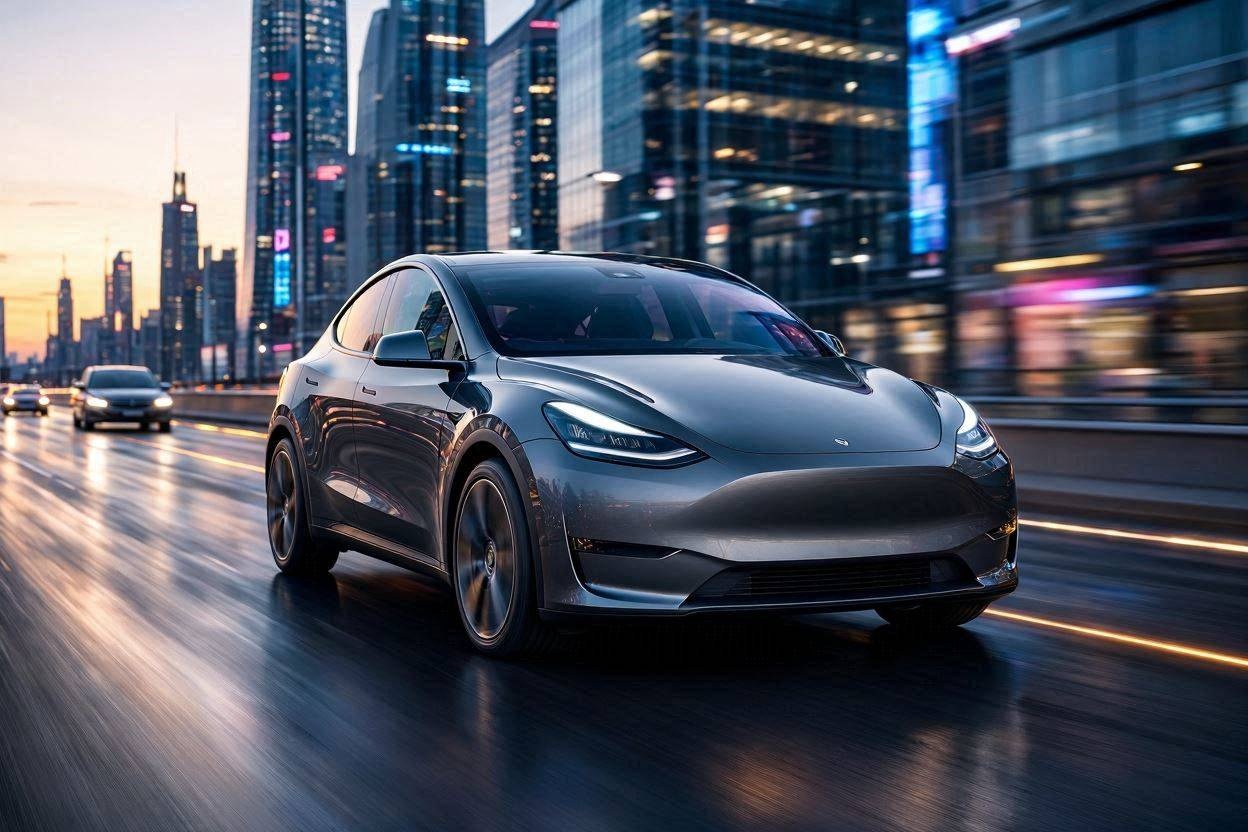
My journey with my Tesla Model Y—let's call her "Juny"—has been more than just 5,000km of driving over the past three months. It has been an immersive experience into the future of automotive technology. Yet, I hear the same question from Tesla owners across Korea and beyond: "When will we finally have full, unrestricted FSD like they do in the U.S.?"
The answer lies not just in software, but in the regulatory labyrinth of the UNECE (United Nations Economic Commission for Europe), specifically the DCAS (Driver Control Assistance System) framework.
What exactly is DCAS? For years, vehicle safety regulations—both in Korea and across Europe—were stuck in the past, limiting driver assistance systems to a rigid "Level 2" scope. As AI technology surged, these outdated laws became a massive bottleneck. Enter DCAS: the regulatory shift designed to bridge the gap.
- DCAS Series 01: Laid the foundation for highway driving assistance. While a step forward, it was limited, often requiring manual intervention or confirmation for lane changes, which hampered the "full" autonomous experience.
- DCAS Series 02: This is the real game-changer. Recently adopted, this framework allows for system-initiated maneuvers. It enables the vehicle to intelligently decide when to change lanes, navigate intersections, and handle complex urban traffic. This is the legal green light that Tesla’s FSD has been waiting for.
The 2027 Roadmap: A Global Shift in Transport Countries under the UNECE umbrella—including South Korea, Japan, and most of Europe—are currently transposing these international standards into domestic law.
- Global Standardization: With the UNECE WP29 (World Forum for Harmonization of Vehicle Regulations) officially adopting DCAS, the framework is now the international gold standard.
- The 2027 Milestone: By September 2027 at the latest, DCAS-compliant autonomous software is expected to be fully legalized across all signatory nations. This isn't just a regulatory update; it is a total transformation of our transportation infrastructure, where AI can legally and safely assist—and eventually replace—human control.
The Myth of the "Regulatory Bottleneck" While some critics argue that local governments are intentionally blocking Tesla, the reality is quite the opposite. South Korea is an active, voting member of the UNECE, driving these changes forward. The path to a fully autonomous future is no longer a "maybe"; it is an "inevitable reality" that will likely begin to materialize on our city streets much sooner than most expect.
2. From Hardware Kings to AI Empires: The New Automotive Arms Race
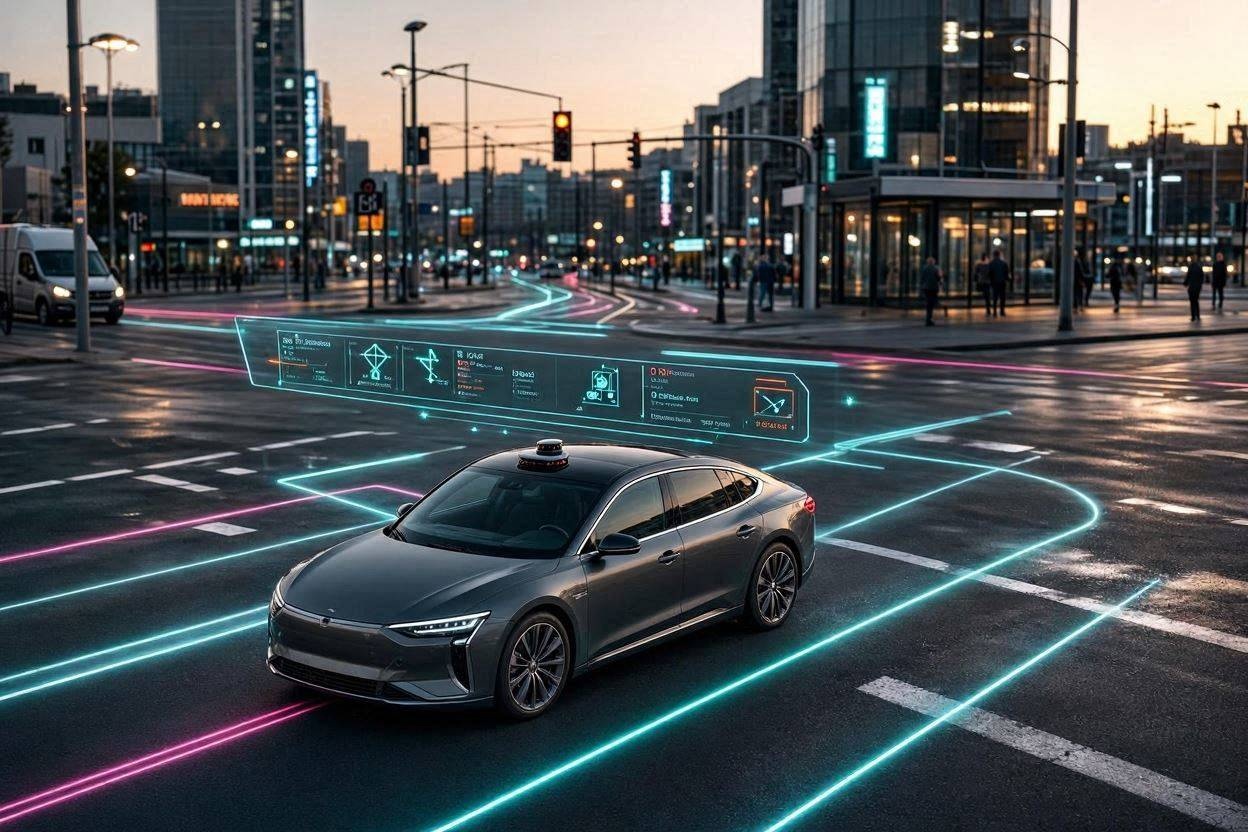
The history of the automotive industry was built on a simple question: "Who has the best engine?" Today, that question has evolved into: "Who has the smartest AI?" The road is no longer just a path for vehicles; it has become a high-speed data stream, turning every car into a mobile AI supercomputer.
Vertical Integration vs. The "Alliance" Strategy The current market is bifurcated into two distinct philosophies:
- Tesla (Vertical Integration): Tesla builds everything—from the proprietary AI chips and vehicle hardware to the neural network learning infrastructure like "Dojo." Every kilometer Juny drives contributes to this massive data loop, allowing the system to refine itself through billions of hours of real-world experience.
- The Alliance (NVIDIA & Qualcomm): Legacy automakers like Mercedes-Benz, BMW, and Hyundai are taking a different path. Recognizing the difficulty of developing AI from scratch, they are partnering with giants like NVIDIA to integrate the "DRIVE" platform—a high-performance, ready-made AI brain.

The Competitive Landscape: Who Wins? While NVIDIA and Huawei provide "off-the-rack" solutions that allow traditional automakers to compete, Tesla’s "bespoke" approach is designed for maximum data efficiency. The winner of this arms race will be the entity that captures the most diverse driving data and converts it into the most accurate decision-making algorithm.
We aren't just buying cars anymore; we are choosing which AI ecosystem we want to bet on. My Model Y isn't just a vehicle—it’s an evolving piece of software that learns every time I turn the wheel.
Key Players in the Autonomous Driving Market
The market is currently a battleground, featuring dedicated robotaxi titans like Waymo and ADAS (Advanced Driver Assistance Systems) powerhouses like Mobileye. The table below summarizes the key players currently leading the autonomous driving software race.
| Company | Core Strategy & Characteristics | Key Tech / Platform | Notes |
| Tesla | Proprietary Ecosystem (Data+Chip+AI) | FSD, Dojo, Vision Only | Unrivaled real-world driving data |
| Waymo | Robotaxi-Service Specialized | Lidar / Sensor Fusion | Alphabet (Google) subsidiary; commercial leader |
| NVIDIA | AI Infrastructure Platform Supplier | DRIVE AGX, Orin/Thor | Industry-standard chips & SW |
| Mobileye | ADAS to L4 Expansion | EyeQ Chip, SuperVision | Global market share leader in ADAS |
| Huawei | Integrated Vehicle Solutions | ADS (Autonomous Driving) | Dominant software share in China |
| Qualcomm | Connected Car / Autonomous Link | Snapdragon Ride | Strength in network-integrated solutions |
Who Will Be the Ultimate Winner?
Solutions provided by giants like NVIDIA or Huawei are essentially "off-the-rack" suits—they offer automakers an accelerated path to market entry. In contrast, Tesla is crafting a "bespoke" suit, maximizing data efficiency through total vertical integration. The conclusion of this war is simple: the player who secures the most diverse driving data and refines the most accurate decision-making algorithm will dominate the mobility market for the next decade.
We are no longer just buying a car; we are deciding which AI ecosystem we want to be part of. As I drive my own Tesla Model Y Juniper, watching it learn and evolve night after night through over-the-air updates, I realize that this is just the beginning of a massive shift in how humanity moves.
3. The Robotaxi Revolution : Turning Idle Assets into Revenue Machines
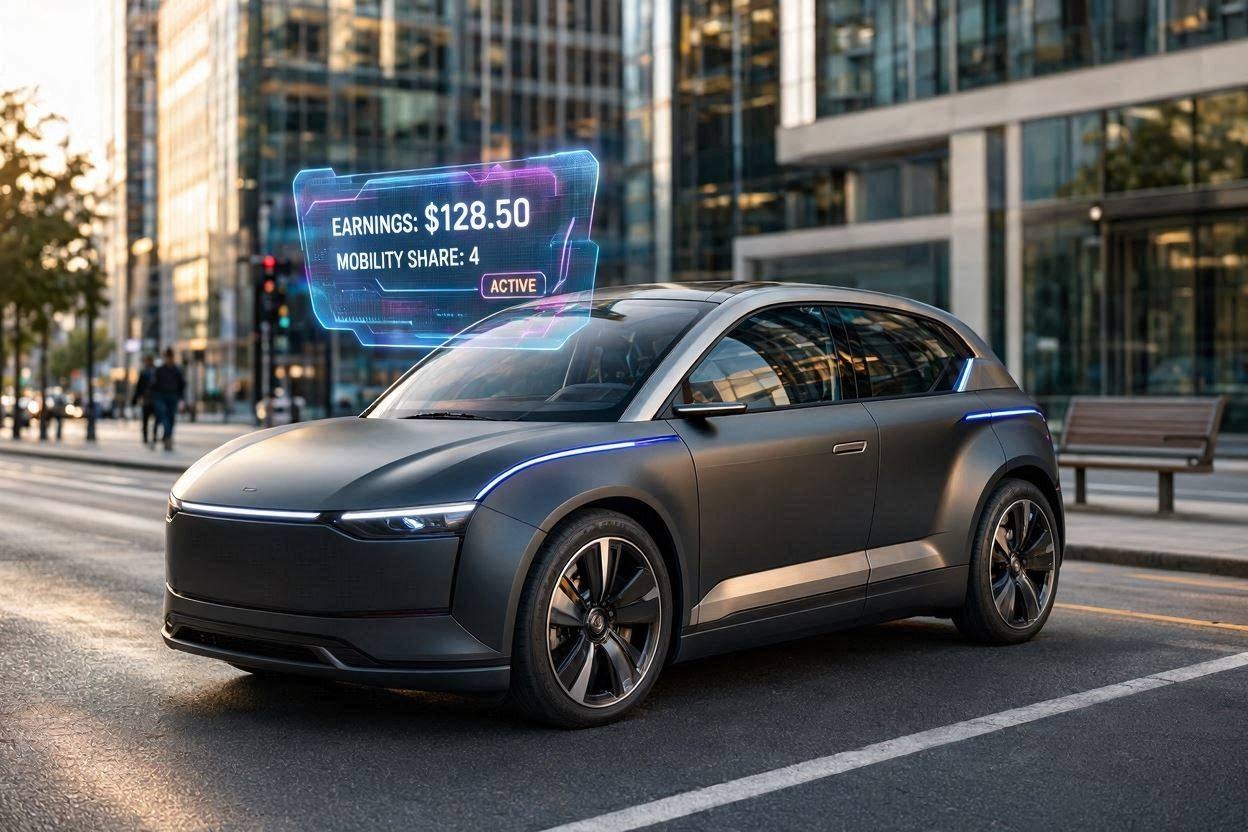
The "Sharing Economy," which emerged in the late 2000s, was built on the premise of "access over ownership." Icons like Airbnb and Uber revolutionized how we live and move. However, they were still constrained by physical limits—namely, human labor costs and vehicle maintenance. Today, autonomous driving software is shattering those limits.
The "Wasted Time" Problem
Statistically, over 95% of private passenger vehicles spend roughly 22–23 hours a day sitting idle in parking lots. Over my last 5,000km of driving, I realized a profound truth: the time your car spends sitting still is its greatest untapped revenue potential.
Robotaxi Economics: A Simulation (North America/Europe)
If you could convert your car into a robotaxi, the economic implications would be staggering:
- For the User (Cost Collapse): In major North American cities, ride-sharing services like Uber are becoming increasingly expensive due to labor costs and surge pricing. In a robotaxi future, with the driver's labor cost eliminated, mobility costs are projected to drop by 70–75%, making "door-to-door" transport as affordable as public transit.
- For the Owner (Revenue Simulation): Based on current projections in North American markets, an active robotaxi could generate tens of thousands of USD in net annual profit. By operating for just 8 hours a day, your car essentially transitions from a depreciating liability to a cash-flow-generating asset—paying off its own financing while building equity.
Mobility Sharing Economy: Who Wins?
| Benefit Category | Gains for Users (Customers) | Gains for Providers (Car Owners) |
| Cost Efficiency | ~70% lower costs than traditional taxis | Offsetting car payments & maintenance |
| Convenience | Seamless "Door-to-Door" mobility | Passive income from an idle asset |
| Time Value | Productive time instead of driving | Automated, hands-off revenue stream |
The Bottom Line: Your parking spot is no longer just a place to park; it’s a potential business location. When mobility costs plummet, demand skyrockets, and your vehicle becomes a "cash-flow machine" that never sleeps.
4. The Data Reward Protocol : Transforming Driving into Digital Assets
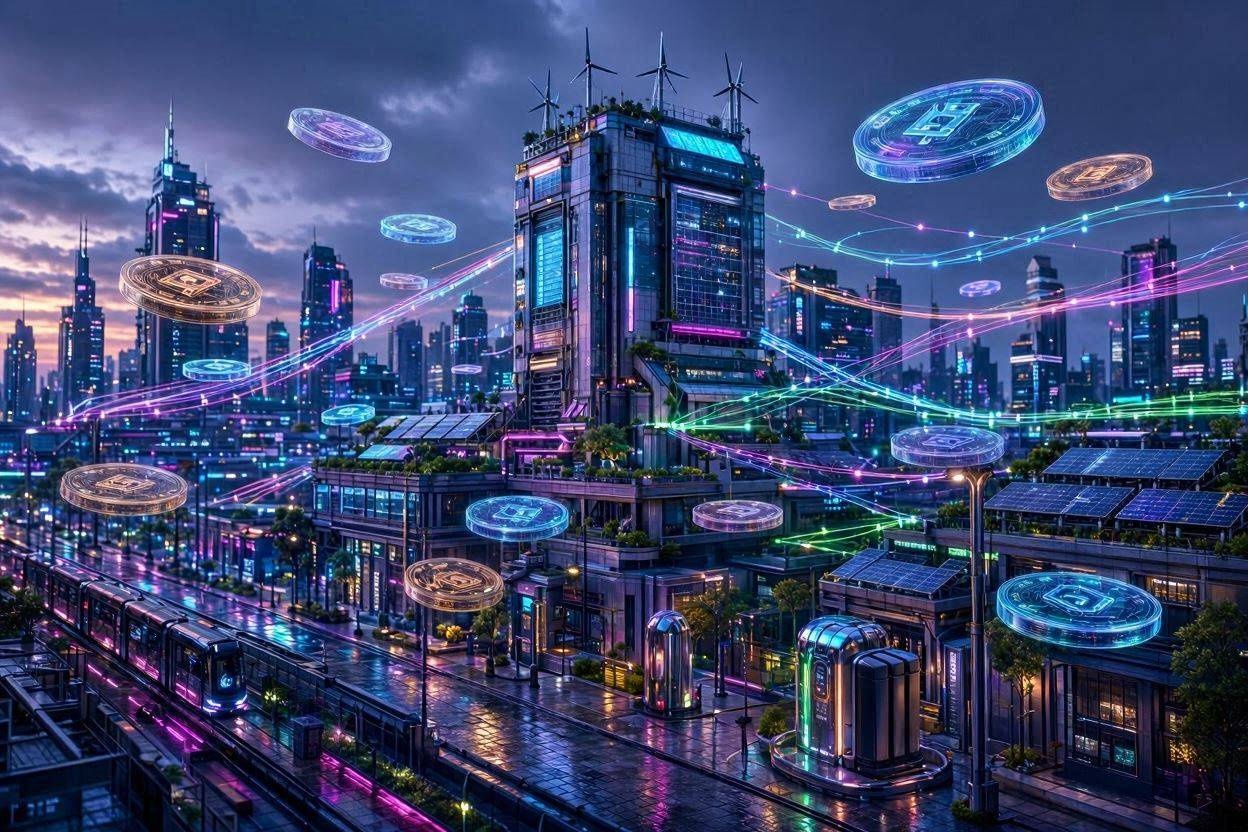
What if every kilometer you drive acted as a "mining" operation? Tesla’s FSD collects petabytes of video and sensor data—the "crude oil" of the AI economy. I envision a future where this driving data is transformed into governance tokens via a proprietary reward protocol.
The Circular Data Economy
- Data Mining: Your vehicle’s sensors capture "edge-case" data and upload it to Tesla’s central servers.
- Token Issuance: Using smart contracts, the system automatically distributes tokens based on the quality and scarcity of the data contributed.
- Circular Ecosystem: You can spend these tokens on FSD subscriptions, in-car entertainment (Netflix, Spotify), or even premium X (Twitter) memberships.
The "Everything App" Economy: A Cold-Eyed Analysis
As X aims to become the "Everything App," the adoption of major cryptocurrencies as payment and reward rails is inevitable:
- Dogecoin (DOGE): Given Elon Musk’s vocal support, DOGE is the frontrunner for micro-transactions, tipping, and community-driven rewards.
- XRPL (Ripple): For a global mobility economy, the XRP Ledger’s unparalleled speed and scalability make it the perfect candidate for real-time, cross-border settlements for robotaxi fares.
- Bitcoin (BTC) & Ethereum (ETH): These will likely serve as the "digital gold" of the ecosystem, used for asset-backed staking to cover long-term vehicle maintenance and financing.
[Final Conclusion : The Great Convergence of Mobility and Finance]
We are witnessing more than just an evolution of the automobile; we are seeing the convergence of movement and finance.
The car is no longer a static piece of hardware. It is an evolving AI that learns in real-time, a "mobile data center" that generates value while you sleep. When combined with blockchain-based transparent rewards, mobility shifts from a consumption category to a source of income.
In the future, the word "driving" will be replaced by "freedom of movement" and "economic participation." The great convergence of hardware innovation, AI intelligence, and blockchain-based value transfer is unstoppable.
The question isn't just "Where will your car take you?" but "What will you gain along the way?" The transition is already happening on the streets. For those who read the signs and prepare, the future of mobility offers far more than convenience—it offers a brand-new economic horizon.
I often find myself imagining this: witnessing the day when my car returns to the home garage after finishing its tasks for me, only to head back out to work for others. While I am resting, my mobility is out there earning an income for me. I am fully convinced that this vision is far from an idle daydream.
[ Recommended Insight : Crypto Economy]
Why Institutional Investors Are Looking Beyond Bitcoin: The Technological Backbone of Ripple (XRP)
The current global payment system is fundamentally broken. Trillions of dollars are trapped in the archaic "Nostro/Vostro" account structure, serving as a massive drag on global capital efficiency. Financial plumbing is being overhauled, and institutional
cryptoteslaglobal.com
[ Recommended Insight : Mobility Tech ]
Want to stay ahead of the curve in the rapidly evolving mobility ecosystem? Explore our in-depth analysis on how Tesla’s FSD and traditional automotive innovations are redefining the future of transportation."
"DIY Tesla Model Y Juniper Upgrade: Why a Frunk Soft Close is a Must-Have
DIY Tesla Model Y Juniper Upgrade: Why a Frunk Soft Close is a Must-Have
Tired of leaving handprints on your hood? Discover why installing a DIY frunk soft close module on the Model Y Juniper is the ultimate, cost-effective upgrade for preserving your EV. 1. The EV Transition and the Frunk DilemmaTransitioning from a traditiona
cryptoteslaglobal.com
The Ultimate Tesla Model Y Juniper Autopilot Guide: Essential Settings & Practical Tips for Beginners
"While many talk about the expensive FSD (Full Self-Driving) upgrades, millions of Tesla owners rely on the included Basic Autopilot for their daily commute. If you aren't paying the $99/month for FSD, mastering these standard Autopilot settings is mandato
cryptoteslaglobal.com
"The Ultimate Tesla Model Y Automation: Auto-Launch HUD & Navigation with iPhone Shortcuts
The Ultimate Tesla Model Y Automation: Auto-Launch HUD & Navigation with iPhone Shortcuts
Missing a Heads-Up Display (HUD) and frustrated with Tesla's native navigation? Discover how to use iOS Shortcuts to automatically launch your favorite navigation app and HUD the moment you place your iPhone on the MagSafe charger. 1. The Missing Pieces in
cryptoteslaglobal.com