Welcome back, automotive enthusiasts! This is Jeonramhoejang. If Part 1 uncovered the dramatic, near-fatal origins of BMW and the hidden supply-chain giants operating behind the scenes, today in Part 2, we are dissecting the mechanical soul of the 5 Series.
Beyond mere cosmetic facelifts, we will explore the groundbreaking technical innovations—from HUDs to advanced chassis engineering—introduced from the original E12 up to the current G60. We will also ruthlessly compare it against its fiercest rivals, including the Mercedes-Benz E-Class, to pinpoint exactly why the 5 Series remains the undisputed king of driving dynamics.
1. The Generational Evolution: A History of Innovation and Disruption
When BMW enthusiasts talk cars, you’ll constantly hear codenames like "E-body" or "F-body." That’s because every generation of the 5 Series has delivered technical disruptions that shook the entire automotive industry.
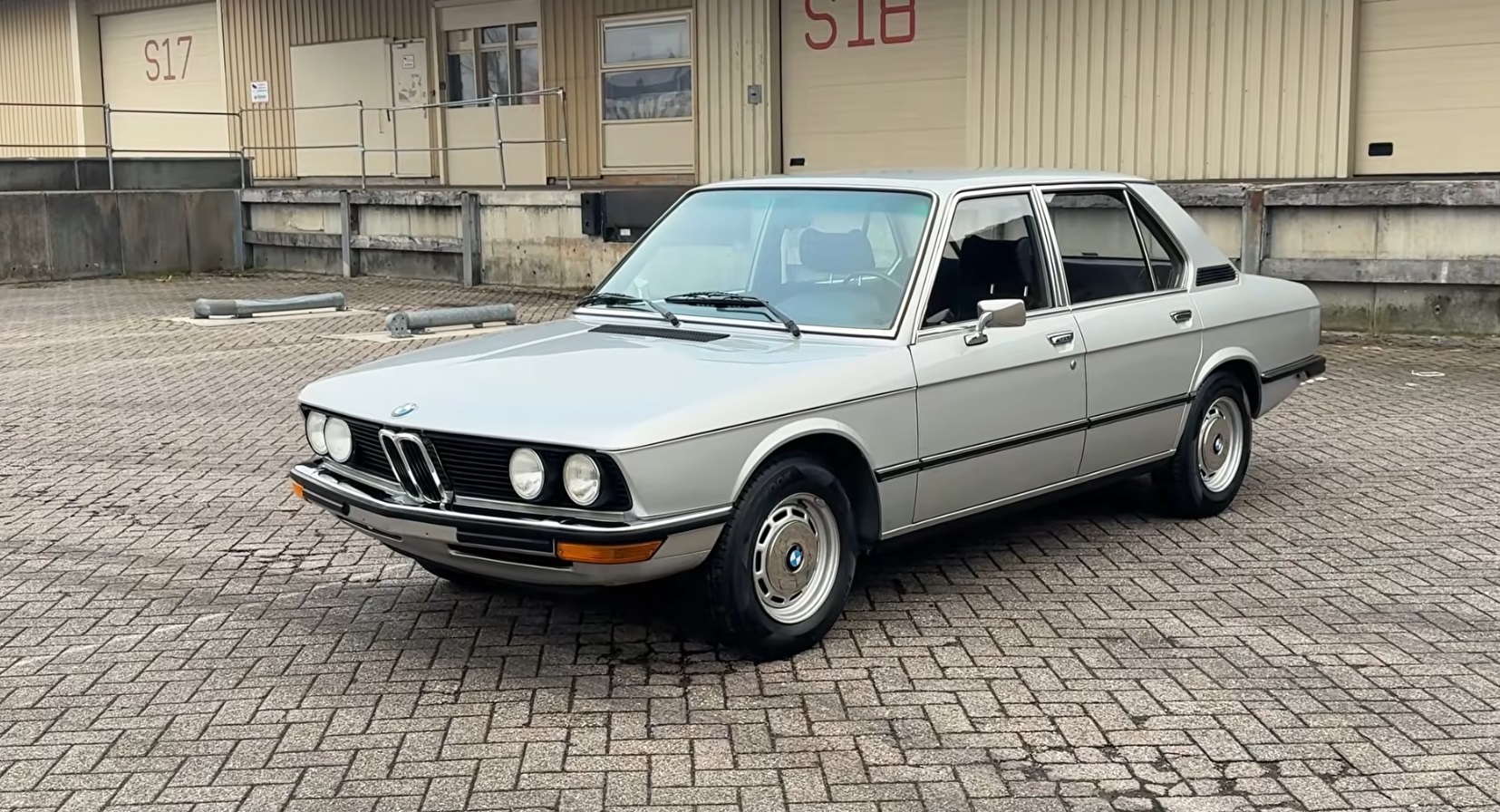
① Generations 1-3 (E12, E28, E34): Laying the Foundation of the Executive Sedan
The first-ever 5 Series, born from the fingertips of legendary designer Paul Bracq.
- 1st Gen E12 (1972): The first 5 Series penned by Paul Bracq. In a luxury market dominated by the uninspiring and floaty rides of Mercedes-Benz, BMW established the unprecedented concept of the "Sporty Executive Sedan." More importantly, 1972 was the year BMW officially declared its eternal brand ethos to the world: "Sheer Driving Pleasure" (German: Freude am Fahren). The E12 wasn't just a mode of transport; it was the ultimate physical manifestation of BMW's philosophy.
- 2nd Gen E28 (1981): This generation finalized the Driver-oriented Console angle, which remains a hallmark of BMW interiors today. It also introduced the brand's first diesel model and gave birth to the legendary "M5."
- 3rd Gen E34 (1988): Pushing boundaries, the E34 became the first 5 Series to house a V8 engine and introduced the all-wheel-drive system (the ancestor to today’s xDrive), establishing itself as the absolute monarch of the Autobahn.
② 4th Gen E39 (1995): The Golden Ratio and the Magic of Aluminum
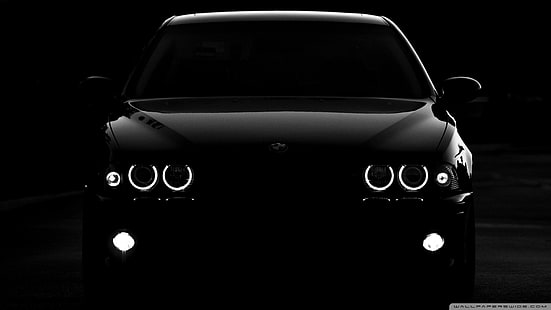
Praised by automotive critics as one of the most perfectly balanced sedans in history. The E39 reached the pinnacle of driving dynamics through its aluminum suspension innovation.
Ask any automotive purist to name the most perfectly proportioned and balanced business sedan in history, and nine out of ten will point to the E39. This generation was a golden era where analog driving feel and digital technology reached a flawless compromise.
Technically, the E39's greatest achievement was its all-aluminum chassis and suspension architecture. It was the first mass-produced mid-size sedan to forge almost all core suspension components (control arms, knuckles, subframes) out of expensive aluminum alloys. This drastically reduced unsprung mass, resulting in the "E39 Miracle": a ride that effortlessly soaked up road imperfections while delivering razor-sharp, surgical cornering.
Furthermore, despite increasing structural rigidity by over 50% compared to its predecessor, the overall weight of the car actually decreased. Visually, the facelifted (LCI) models introduced the world's first circular LED headlight rings, famously known as Angel Eyes (or Corona Rings). This became a legendary design signature—letting you know immediately from your rearview mirror that a BMW was hunting you down at night.
③ 5th Gen E60 (2003): The Chris Bangle Shockwave and Engineering Witchcraft
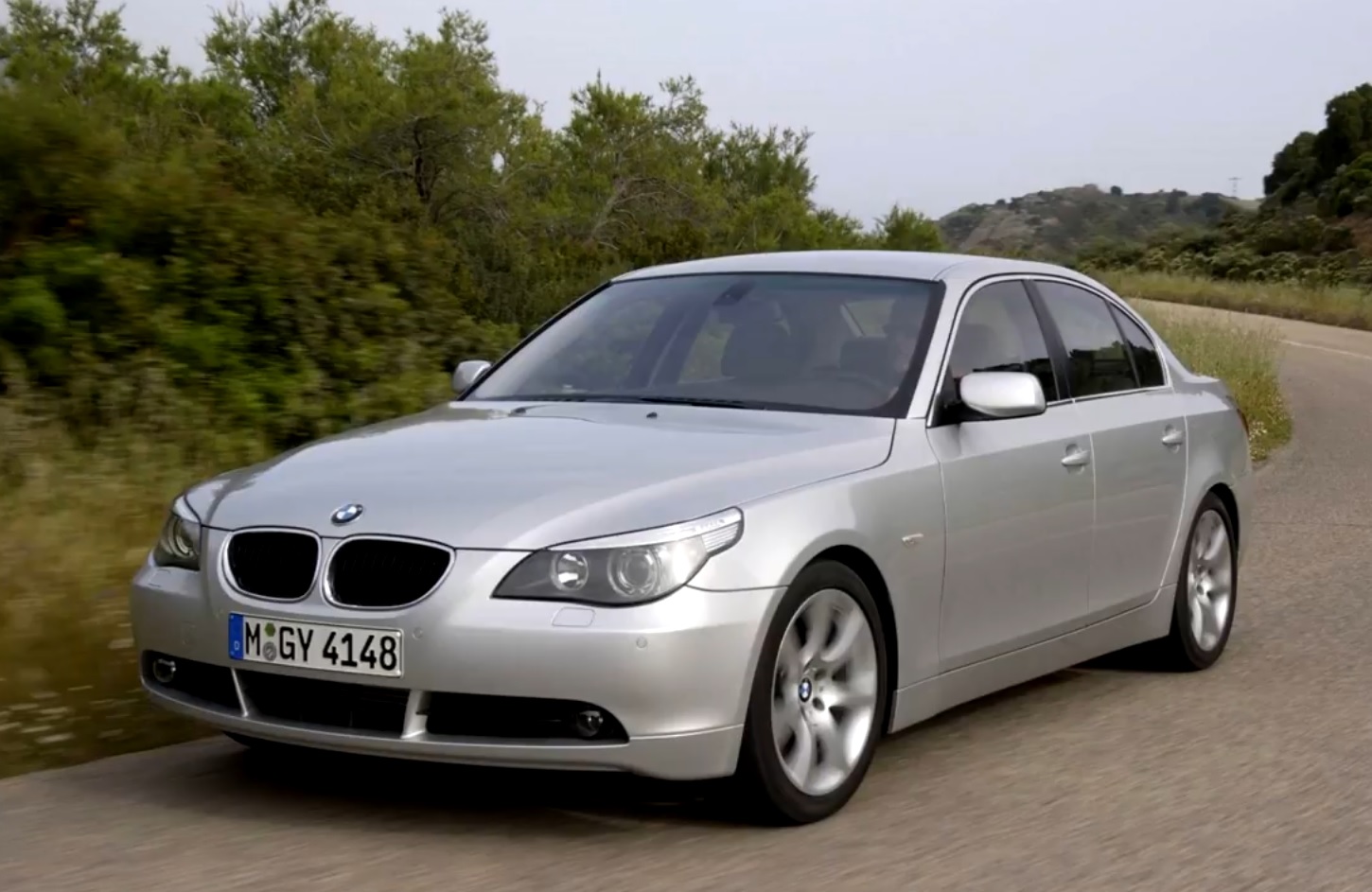
Behind the controversial design lay the absolute pinnacle of contemporary engineering: a hybrid aluminum-steel chassis, Active Steering, and Dynamic Drive.
This is the generation that literally turned the global automotive community upside down. Then-Chief Designer Chris Bangle completely shattered the conservative elegance of the E39, introducing "Flame Surfacing" and aggressive, swept-back eagle-eye headlights. Initially, he faced brutal backlash—even receiving death threats from hardcore purists who claimed he "killed BMW's soul." Yet, history vindicated him; this design is now recognized as a visionary masterpiece that accelerated global automotive design trends by at least a decade. It also achieved a drag coefficient (Cd) of just 0.27, slicing through the air silently despite its massive footprint.
But the truly terrifying aspect of the E60 was the "alien technology" hidden beneath its controversial skin:
- Hybrid Aluminum-Steel Construction: To achieve a perfect 50:50 weight distribution, BMW did the unthinkable. The front half of the car (engine bay and front chassis) was built from lightweight aluminum, while the rear passenger cabin was made of high-strength steel. These were joined using specialized aerospace-grade rivets and adhesives. This made the front end incredibly light, resulting in absurdly sharp turn-in responses.
- Active Steering: A system that electronically varied the steering gear ratio based on speed. At low speeds (like parking), a slight turn of the wheel angled the tires dramatically. At high speeds, the steering became heavy and desensitized, maximizing straight-line stability.
- Dynamic Drive: Utilizing hydraulically active anti-roll bars, this system actively counteracted body roll in real time. It allowed a heavy five-seater sedan to corner completely flat, mimicking the physics of a two-seater sports car.
- Fighter Jet Tech: The E60 introduced the first-ever Head-Up Display (HUD) in its class, implemented a drive-by-wire electronic joystick shifter, and fired the starting gun for the iDrive system, consolidating a chaotic mess of physical buttons into a single centralized screen.
④ 6th Gen (F10) & 7th Gen (G30): Mainstream Luxury and the Dawn of Autonomy
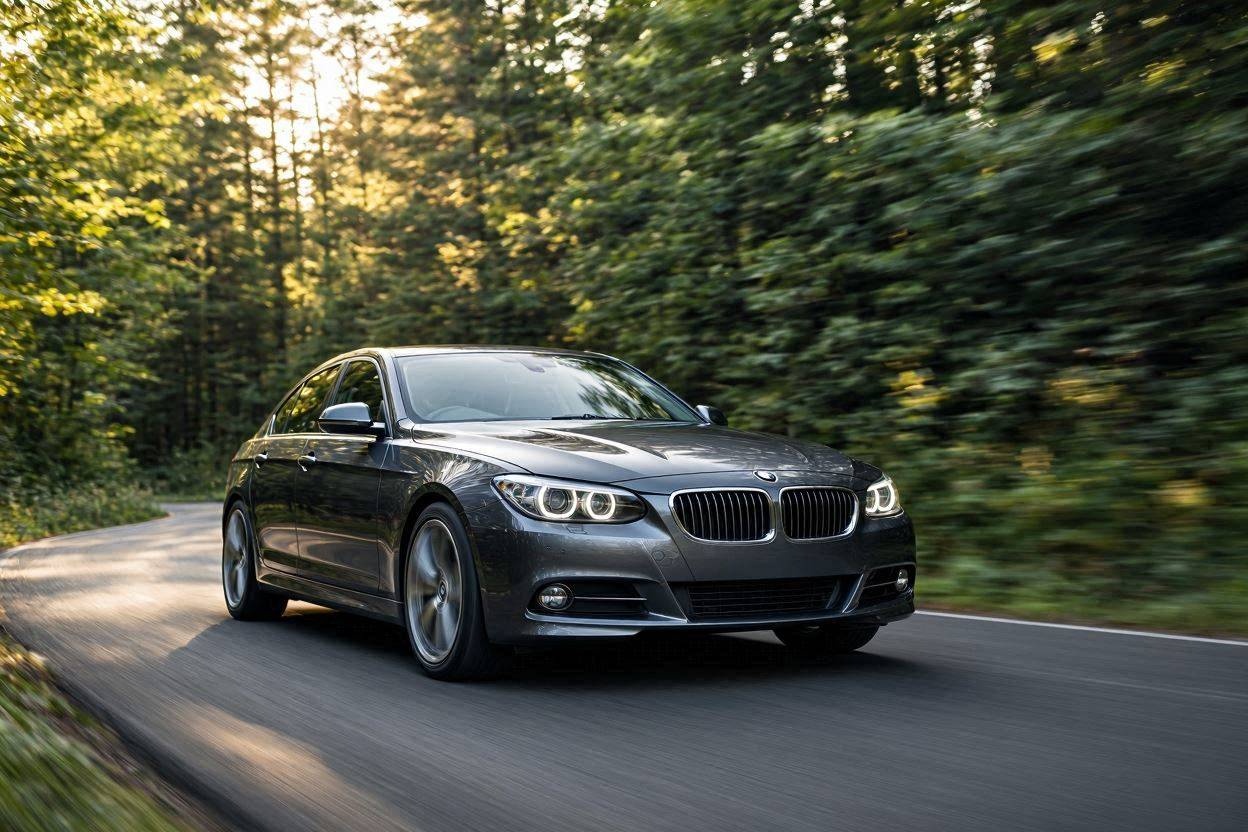
The F10 (6th Gen) reshaped the premium sedan market, dominating global sales through the perfect harmony of its chassis and the ZF 8-speed transmission.
- 6th Gen F10 (2010): Stepping away from the radical E60, BMW returned to a more universally appealing, elegant design. Paired flawlessly with the ZF 8-speed automatic transmission mentioned in Part 1, the F10 (especially the highly efficient 520d) absolutely dominated the global premium segment, striking a perfect balance between comfort and driving emotion.
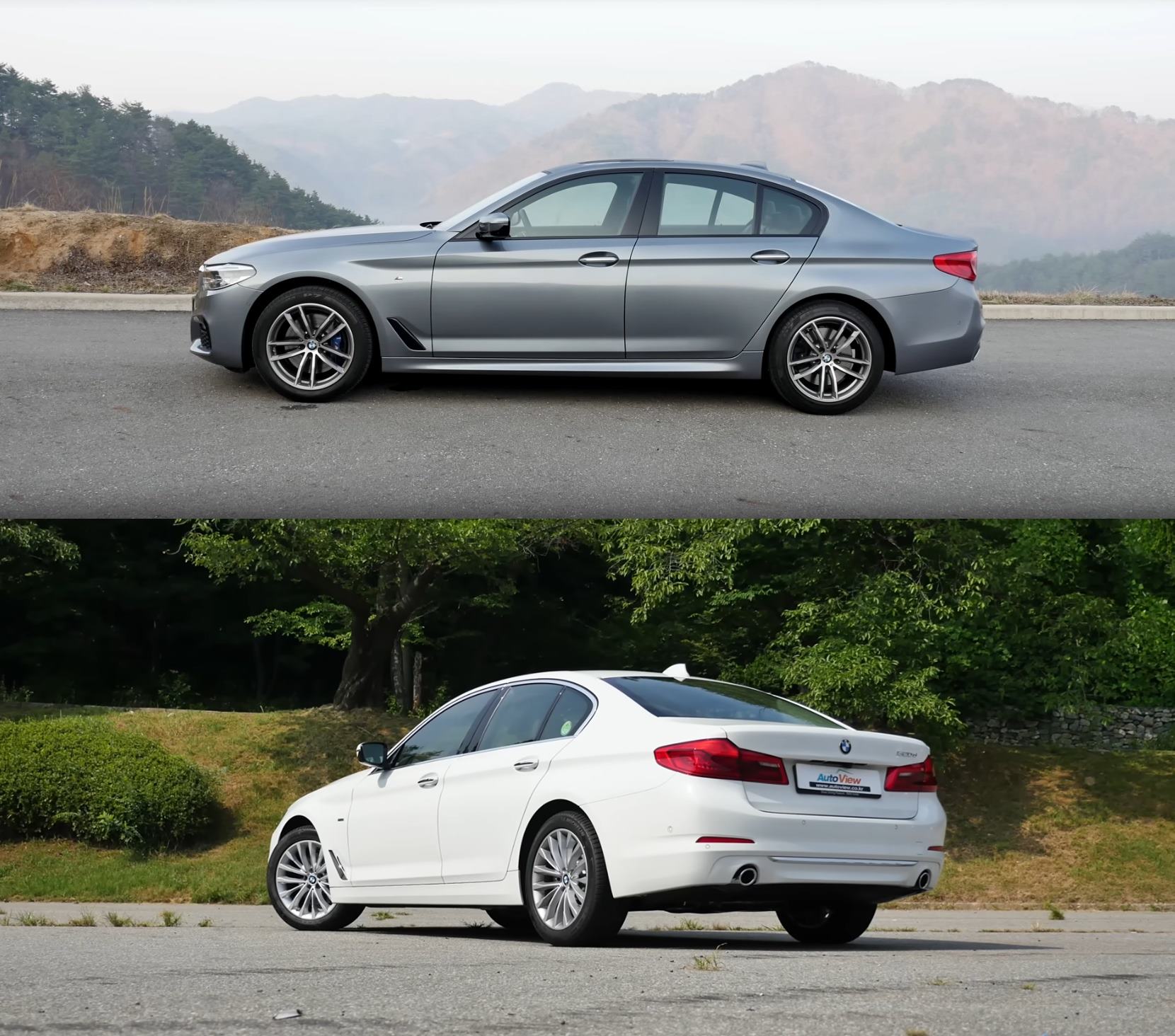
The G30 (7th Gen) evolved into a complete digital business sedan, featuring Carbon Core lightweighting technology and advanced ADAS.
- 7th Gen G30 (2017): Riding on the CLAR modular platform, the G30 borrowed the Carbon Core tech from the 7 Series. By strategically integrating ultra-high-strength steel and aluminum throughout the chassis, it shed nearly 220 lbs (100 kg) compared to the F10. This generation also heavily integrated advanced cameras and radars, bringing semi-autonomous driving systems (ADAS) into the mainstream.
2. Analyzing the Current 8th Gen G60 Lineup and Pricing (USD)
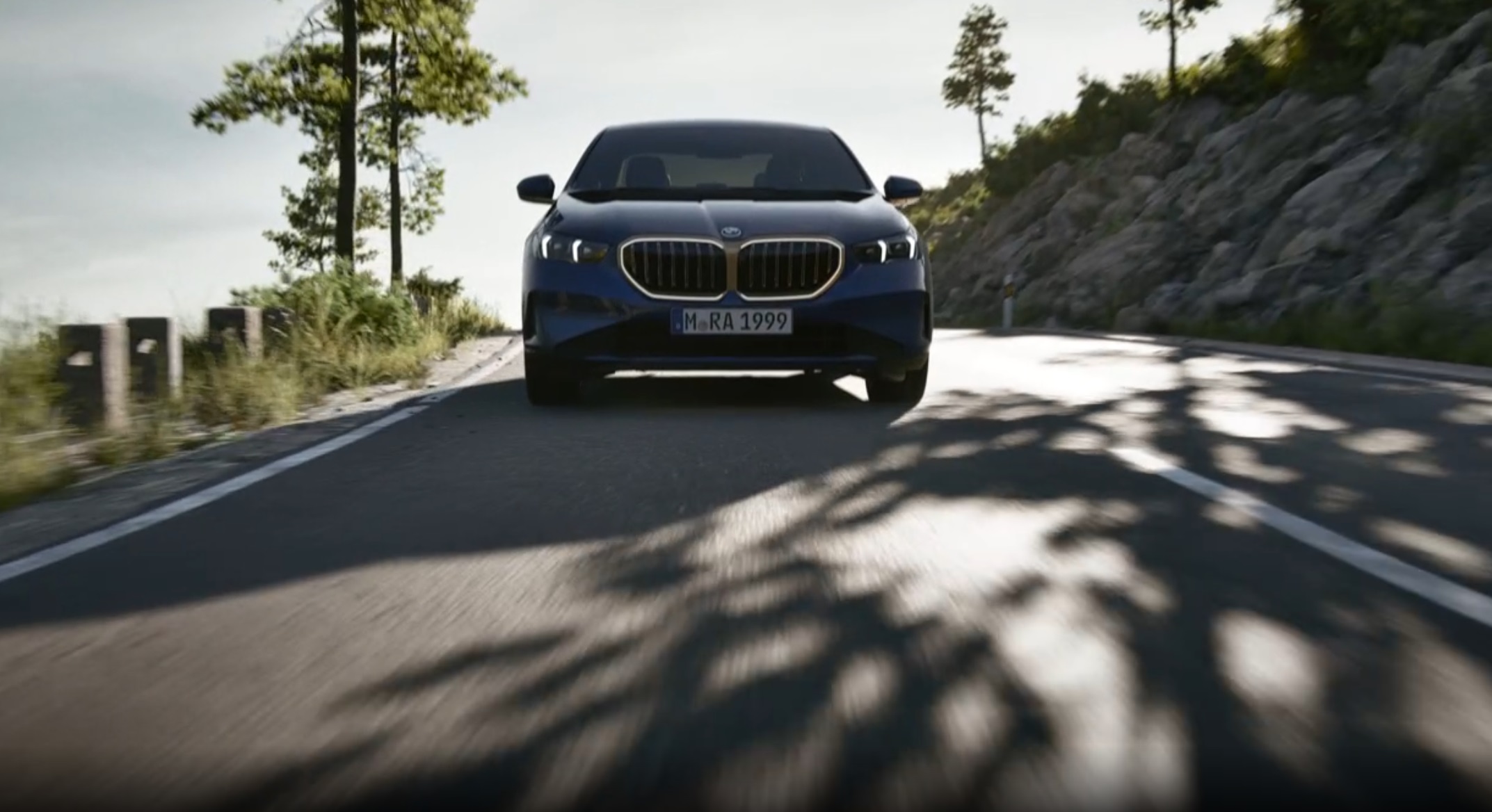
The 8th Gen G60 utilizes a highly unique strategy, allowing internal combustion, plug-in hybrids (PHEV), and pure electric (i5) variants to share a single, unified body.
Debuting in 2023, the current 8th Gen G60 embraces a "power of choice" strategy.
- 530i (Approx. $57,900 – $60,200): The foundational 2.0-liter turbocharged 4-cylinder. A global bestseller offering a perfect blend of smooth daily drivability and fuel economy.
- 540i xDrive (Starts around $64,900): Equipped with BMW's iconic "Silky Six" (inline-6 cylinder) engine, delivering the buttery-smooth revs and acoustic joy that define the brand.
- i5 eDrive40 / M60 (Approx. $66,800 – $84,100): The first-ever fully electric 5 Series. With its massive Curved Display, Interaction Bar, and cutting-edge software, it feels like a rolling smart device. Factoring in EV incentives and lower running costs, it is rapidly becoming the new flagship of the lineup.
⚠️ [Deep Dive] The Dilemma of the Ultimate Flagship: The M5 (G90) and its 5,390-lb Curb Weight
The fastest business sedan in the world, the M5 (starting around $119,500), underwent a massive transformation for this generation. By pairing the V8 twin-turbo engine with a plug-in hybrid (PHEV) electric motor, it unleashes an earth-shattering 717 horsepower. However, this comes with a glaring compromise. The addition of the battery and motor pushes the curb weight to a staggering 5,390 lbs (2,445 kg). Many driving purists lament that the nimble, purely mechanical cornering joy of the E39 M5 era is gone; instead, the new M5 is a technological monster that uses brute force and excessive electronic aids (like rear-wheel steering) to forcefully bend the laws of heavy physics.
3. The Cutthroat Premium E-Segment War (vs. Rivals)
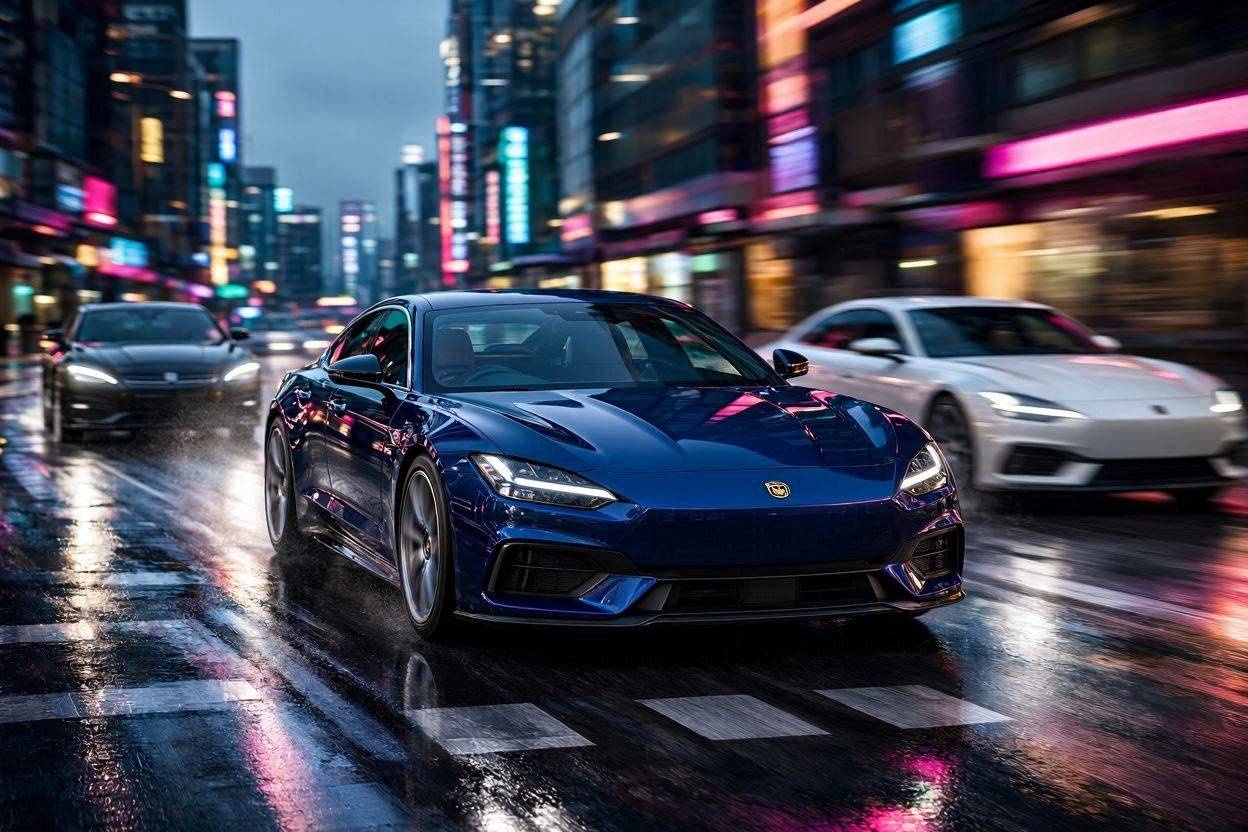
In the fiercely competitive premium E-segment, surrounded by the eternal rival Mercedes E-Class and the rising Genesis G80, the 5 Series defends its throne with its absolute weapon: superior driving dynamics.
No discussion of the 5 Series is complete without sizing up the competition in the global premium market.
- Mercedes-Benz E-Class (W214) - The Eternal Rival: Mercedes still reigns supreme in "ride comfort and interior opulence." With features like the MBUX Superscreen, its visual luxury outshines the 5 Series. However, when it comes to throttle response, high-speed cornering stability, and the intuitive joy of a driver commanding a machine, the consensus remains that the 5 Series holds the upper hand.
- Genesis G80 - The Value & Luxury Disruptor: A formidable challenger rapidly gaining global market share. At a similar or lower price point, the G80 offers superior cabin space, rich Nappa leather, and ultra-premium audio systems (Lexicon/B&O). Yet, in terms of the "glued-to-the-road" suspension feel at high speeds and supreme chassis balance, it hasn't completely caught up to a century of German engineering know-how.
- Audi A6 (C8) - Quattro Stability, but Aging: Audi offers aggressive pricing strategies and the unmatched rain/snow confidence of the mechanical Quattro all-wheel-drive system. However, its delayed redesign cycle leaves its infotainment and interior design feeling somewhat dated against its modern peers.
- Lexus ES - Ultimate Reliability and Quietness: The undisputed king of hybrid efficiency and bulletproof reliability. However, its front-wheel-drive architecture means its driving dynamics and the sophistication of its sport handling are in a completely different, much softer category than the 5 Series.
4. [Teaser] Part 3: The Humiliation of "Chinese-Benz" vs. The Independence of BMW
So far, we’ve traced the technical lineage of the 5 Series—from the E12 that coined "Sheer Driving Pleasure" to today's tech-laden G60—and weighed its strengths against its fiercest rivals. The 5 Series has maintained its throne precisely because of its unwavering stubbornness regarding driving philosophy.
But recently, if you browse global automotive forums, Reddit, or major car communities, you might have noticed a growing, cynical nickname for modern Mercedes-Benz vehicles: "Chinese-Benz."
Critics and purists are increasingly vocal, arguing that the three-pointed star is losing its German soul. By chasing flashy, screen-heavy interiors and nightclub-style ambient lighting while displaying obvious cost-cutting in traditional ride quality and assembly, many feel Mercedes is abandoning its heritage to pander strictly to specific overseas tastes.
This isn't just a subjective feeling; it is the direct, undeniable result of massive shifts in global capital. If you look at the current major shareholder registry of the Mercedes-Benz Group, you'll find Li Shufu of China's Geely Automobile (holding approx. 9.69%) and the Chinese state-owned enterprise BAIC (holding approx. 9.98%) sitting comfortably as the top two shareholders. Essentially, nearly 20% of Mercedes-Benz is heavily influenced by Chinese capital.
So, what about our beloved BMW? How has BMW managed to walk a completely different path? In our final Part 3, we will uncover the most thrilling financial and technological war of this entire series.
- 👉 [Part 3: Independence Against Global Capital and the AI Future (Link Coming Soon)]
- The Story: While Mercedes surrenders equity to Geely and BAIC, we explore the hidden behind-the-scenes story of how BMW—backed by the fierce Quandt family—ruthlessly blocked external capital interference to protect its "pure German engineering" pride.
- The Future Vision: We’ll look at the AI and autonomous tech turning windshields into smart devices, and break down BMW's absolute do-or-die next-generation platform, the "Neue Klasse," providing you with sharp stock market and investment insights to wrap up the saga.
Just as an engine needs perfectly timed gears to move forward, wealth creation requires understanding macro-trends and investing at the right moment. If you want to grasp the future of mobility and uncover massive investment opportunities, you absolutely cannot miss the grand finale in Part 3!
When I first saw the recently unveiled BMW X5 clothed in the Neue Klasse design language, I was genuinely blown away. It was a masterpiece that blended an intensely retro concept into a futuristic vehicle design. While that bold styling might spark mixed reactions among the general public, it made me realize something profound: true future innovation is always born from an identity deeply rooted in the past.
🏁 [The BMW 5 Series Masterclass] Missed an earlier chapter? Catch up here:
🔍 [Deep Dive 1] Part 1: Why Mercedes Feared It: The 50-Year Legacy and Hidden Giants (Read More)
🔍 [Deep Dive 2] Part 3: Independence Against Global Capital and the AI-Powered "Neue Klasse" Future
💡 [Exclusive Tech Briefing] Click here to read more on Mobility, AI Logistics, and Tech Investing
DIY Tesla Model Y Juniper Upgrade: Why a Frunk Soft Close is a Must-Have
DIY Tesla Model Y Juniper Upgrade: Why a Frunk Soft Close is a Must-Have
Tired of leaving handprints on your hood? Discover why installing a DIY frunk soft close module on the Model Y Juniper is the ultimate, cost-effective upgrade for preserving your EV. 1. The EV Transition and the Frunk DilemmaTransitioning from a traditiona
cryptoteslaglobal.com
The Ultimate Tesla Model Y Automation: Auto-Launch HUD & Navigation with iPhone Shortcuts
The Ultimate Tesla Model Y Automation: Auto-Launch HUD & Navigation with iPhone Shortcuts
Missing a Heads-Up Display (HUD) and frustrated with Tesla's native navigation? Discover how to use iOS Shortcuts to automatically launch your favorite navigation app and HUD the moment you place your iPhone on the MagSafe charger. 1. The Missing Pieces in
cryptoteslaglobal.com