Recent news of Tesla advancing its "Dry Electrode Coating" process has sent shockwaves through the EV community. With rumors of massive range boosts and dramatic price cuts, many Tesla Model Y Juniper reservation holders are caught in a dilemma: Should I cancel my order and wait for the new battery, or take delivery now? Here is a cold, data-driven macro analysis of the reality behind the hype.
1. The Timeline Reality: In-House 4680 NCM vs. CATL LFP
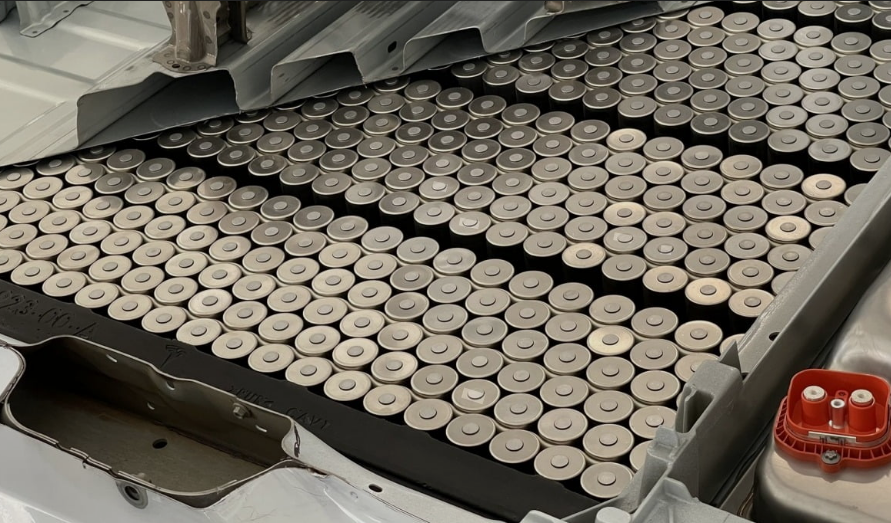
The first misconception to clear up is the target of this battery innovation. The dry electrode process Tesla recently patented is explicitly designed for their in-house 4680 cylindrical NCM (Nickel-Cobalt-Manganese) cells.
Conversely, the highly popular entry-level Model Y Juniper RWD trims hitting the global market are predominantly equipped with LFP (Lithium Iron Phosphate) batteries supplied by industry giant CATL. Transitioning a bleeding-edge laboratory tech into a massive Gigafactory production line with a stable yield takes significant time. Conservatively, vehicles equipped with high-yield dry-coated 4680 cells will not hit the mass market until late 2026 or early 2027, likely starting exclusively in the North American domestic market. Therefore, choosing the globally proven and highly durable LFP Juniper today carries virtually zero obsolescence risk.
2. The Myth of the $7,500 Price Drop
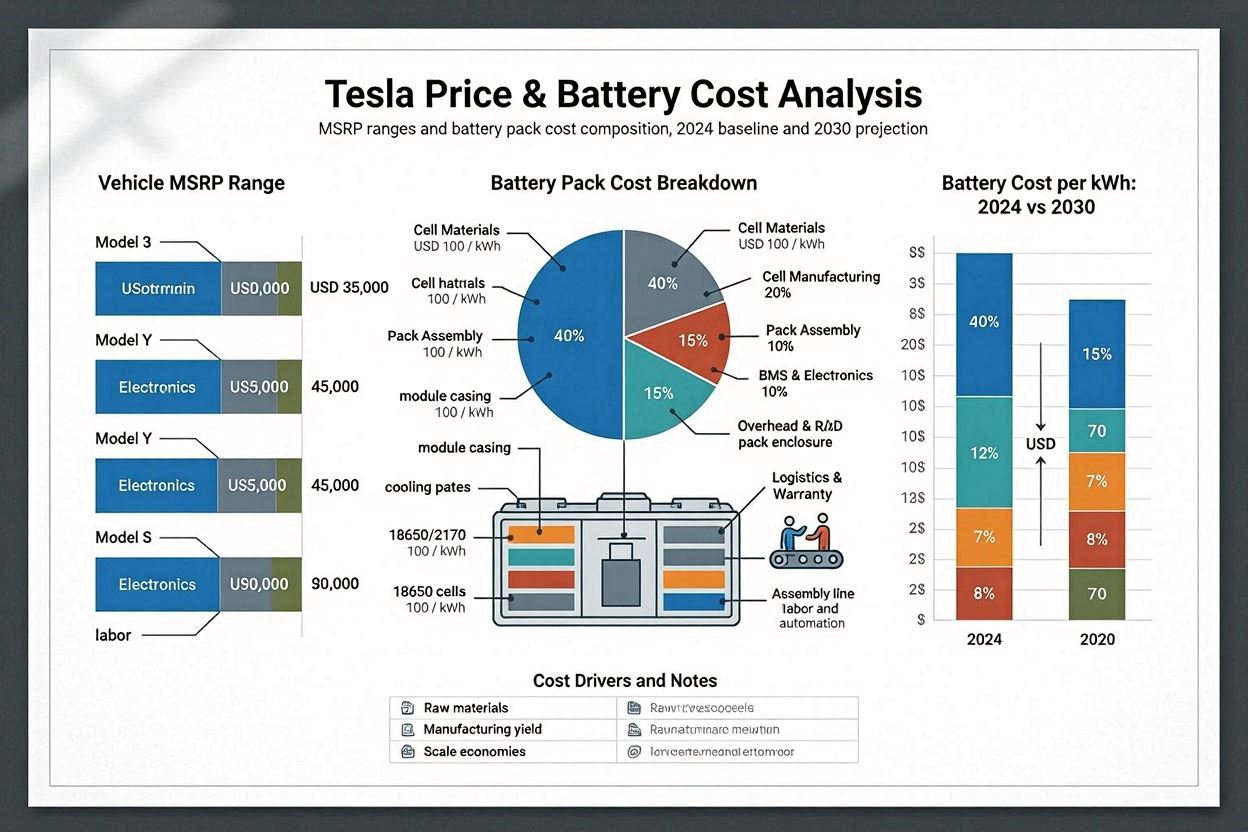
Certain automotive YouTubers and media outlets have sparked rumors that the dry process could slash vehicle MSRPs by up to $7,500 to $10,000. This is a fundamental misunderstanding of corporate margin structures.
Even if the battery cell manufacturing cost drops by 50%, the cost of the electric motors, gigacastings, AI hardware, and software remains identical. As a publicly traded company focused on profitability and margin preservation, Tesla is highly unlikely to pass 100% of these cost savings directly to the consumer. Instead, during the initial rollout, Tesla will likely utilize these savings to increase the battery capacity (longer range) or enhance overall vehicle performance to justify current price tiers. Actual consumer price drops are a refresh-cycle scenario, at least 1 to 2 years after the new form factor stabilizes.
3. Range Boost vs. The Macro Cost of Waiting
The technical advantages of the dry electrode process are undeniable. By eliminating the toxic and expensive wet-slurry drying ovens, energy density could jump by over 20%. A Long Range model currently offering 310 miles (approx. 500km) could theoretically push past 400 miles (approx. 650km). Combined with a tabless structure, it reduces internal resistance, boosting ultra-fast charging efficiency.
However, untested technology always carries "initial yield risks." More importantly, consumers must factor in the Cost of Time. Approaching 2026, global EV subsidies (such as the US IRA tax credits and European/Asian regional grants) are facing aggressive scale-backs due to shifting political climates and tax revenue deficits.
If you wait two years for an uncertain battery tech and a theoretical price cut, you will likely lose guaranteed government incentives today. Consequently, your Total Cost of Ownership (TCO) could actually be higher in 2026 than it is right now.
4. Conclusion: Buy the Proven Asset at the Optimal Time
For current Model Y Juniper RWD reservation holders, hitting the pause button based on dry electrode rumors is a miscalculation. While this manufacturing innovation is undeniably a long-term game changer, the timeline for it to become a standardized, affordable product is much longer than the hype suggests.
In the EV market, the golden rule remains: Buy the most reliably proven model when your personal need aligns with maximum government incentives.
As someone who took delivery of a Model Y Juniper and is thoroughly enjoying the drive, I have zero anxiety about my car becoming 'outdated' anytime soon due to dry electrode tech rumors. An upgraded version will naturally arrive down the road in due time, but until then, I'm simply going to enjoy the fun driving experience with the car I own today.
[Deep Dive]
Want to stay ahead of the curve in the rapidly evolving mobility ecosystem? Explore our in-depth analysis on how Tesla’s FSD and traditional automotive innovations are redefining the future of transportation."
The Ultimate Tesla Model Y Juniper Autopilot Guide: Essential Settings & Practical Tips for Beginners
"While many talk about the expensive FSD (Full Self-Driving) upgrades, millions of Tesla owners rely on the included Basic Autopilot for their daily commute. If you aren't paying the $99/month for FSD, mastering these standard Autopilot settings is mandato
cryptoteslaglobal.com
"Is Your Tesla Making You Money? My 5,000km Journey into the Future of FSD, Robotaxis, and AI"
"Is Your Tesla Making You Money? My 5,000km Journey into the Future of FSD, Robotaxis, and AI"
1. From Korea to Europe: When Will FSD Go Global? Unlocking the DCAS Regulatory Puzzle My journey with my Tesla Model Y—let's call her "Juny"—has been more than just 5,000km of driving over the past three months. It has been an immersive experience int
cryptoteslaglobal.com
BMW 5 [Part 1] Why Mercedes Feared It : The 50-Year Legacy of the BMW 5 Series and Its Hidden Giants
BMW 5 [Part 1] Why Mercedes Feared It : The 50-Year Legacy of the BMW 5 Series and Its Hidden Giants
Hello, automotive enthusiasts and smart investors!Today, we are diving deep into the ultimate benchmark of executive sports sedans—the BMW 5 Series.This isn't just another generic review listing horsepower and torque. We are launching a comprehensive 3-p
cryptoteslaglobal.com
Mercedes-Benz E-Class [Part 1]: Das Beste oder Nichts: Deconstructing the Engineering Legacy of the Mercedes-Benz E-Class
Hello, this is Jeonramhoejang. After completing our deep dive into the BMW 5 Series, I am ready to embark on a new epic—the story of the most iconic and illustrious name in mobility: the Mercedes-Benz E-Class.This series isn’t just about spec sheets or
cryptoteslaglobal.com