Is aging an inevitable law of nature, or just another code that can eventually be rewritten? For generations, we accepted physical decline as an unchangeable destiny. But we have officially entered a new era where science is redefining aging no longer as an immutable fate, but as a treatable disease.
With the FDA's recent landmark approval of human clinical trials for cellular rejuvenation, the sci-fi dream of turning back the biological clock is rapidly turning into our physical reality.
1. Learning from Nature’s Immortals

On Earth, nature has already solved the puzzle of longevity, hiding profound biological blueprints in plain sight.
Take the Greenland shark (Somniosus microcephalus), which patrols the pitch-black, near-freezing depths of the North Atlantic. For decades, marine biologists were completely baffled on how to determine their age because they lack the calcified vertebrae typically used to age fish. The breakthrough finally came from an unexpected place: their eye lenses. The crystalline proteins in a shark's eye lens never turn over; instead, they continuously layer new tissue over a core formed during its embryonic stage, acting as an uncorrupted chemical time capsule. By utilizing radiocarbon dating—cleverly calibrated against the radioactive "bomb pulse" left behind by mid-20th-century nuclear weapons testing—scientists made a staggering discovery: these massive creatures can live for up to 400 or even 500 years. Scientifically, they represent the pinnacle of extreme metabolic preservation and DNA stability, proving that biological decay can be drastically slowed under the right genetic and environmental conditions.
Then there is the immortal jellyfish (Turritopsis dohrnii). First found in the Mediterranean, its true superpower was unmasked when researchers observed how it handles life-threatening stress or starvation. Instead of facing death, it pulls off an evolutionary magic trick known as transdifferentiation. The adult jellyfish absorbs its specialized cells and forces them to revert backward into unspecialized, primitive polyp tissue—effectively acting like a butterfly transforming back into a caterpillar. Recent genomic sequencing has revealed that these jellyfish possess multiple duplicated genes dedicated exclusively to DNA repair and telomere maintenance, offering undeniable proof that nature has already engineered a system to completely reset biological aging.
Finally, we have the microscopic freshwater hydra. Unlike human adult stem cells, which gradually exhaust and lose their regenerative punch over time, a hydra’s three distinct stem cell populations exist in a continuous state of perpetual renewal. If you slice a hydra right down the middle, it completely regenerates its entire body, tissues, and nervous system from scratch in a matter of days. Single-cell genome mapping shows that these organisms maintain active, ancient gene regulatory networks that completely bypass cellular senescence, serving as a masterclass in living tissue immortality.
2. The Enemy Within : "Zombie Cells" and Senolytics
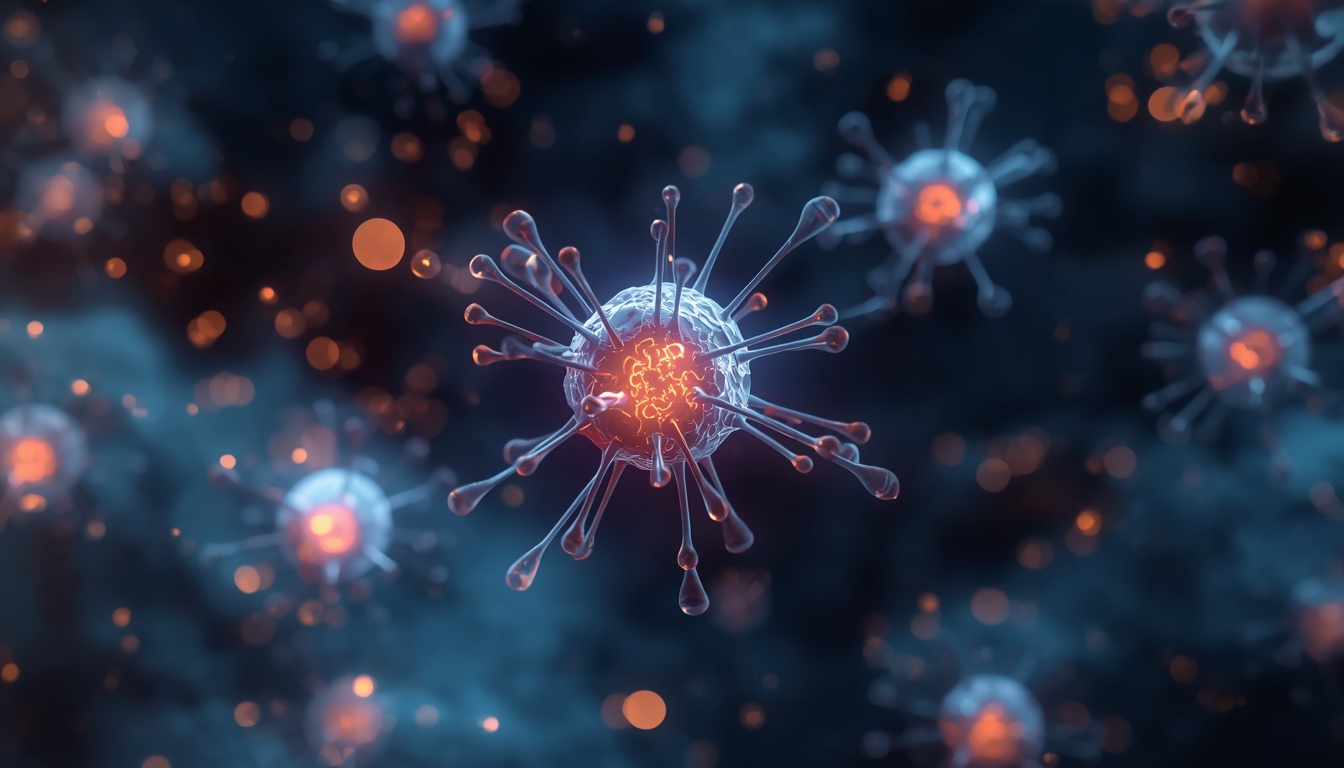
As we navigate through life, our bodies gradually accumulate senescent cells—far better known in science and pop culture as "zombie cells." These are cells that have permanently halted division due to DNA damage or stress, but instead of cleanly undergoing programmed cell death (apoptosis), they linger indefinitely in a state of suspended animation. Worse yet, they secrete a toxic cocktail of inflammatory proteins, growth factors, and enzymes called the SASP (Senescence-Associated Secretory Phenotype). Like a rotten apple corrupting the barrel, these zombie cells spread chronic, low-grade inflammation to neighboring healthy tissues, driving everything from tissue degradation to age-related diseases.
The Discovery and Mechanism of Senolytics
For a long time, dealing with these cellular parasites seemed impossible. The breakthrough arrived around 2015 when researchers at the Mayo Clinic asked a radical question: How do these damaged, zombie cells manage to stay alive when they should naturally self-destruct?
Scientists discovered that senescent cells activate specialized SCAPs (Senescent Cell Anti-Apoptotic Pathways)—molecular armor networks that shield them from dying. Armed with this insight, researchers screened various compounds to find a way to selectively disable those survival pathways. This birthed Senolytics—a revolutionary class of therapeutics designed to act as precision-guided missiles. When introduced, senolytics temporarily shut down the SCAP defenses, causing the zombie cells to finally recognize their own damage and undergo apoptosis, while leaving healthy, dividing cells completely unharmed.
The initial clinical proof-of-concept shocked the medical community: a combination of Dasatinib (a leukemia drug) and Quercetin (a natural plant flavonoid) drastically cleared out senescent tissue in mice, extending their healthy lifespan and physical endurance by leaps and bounds. Soon after, researchers identified Fisetin, a natural flavonoid abundant in strawberries, as an even more potent, tissue-specific natural senolytic.
Everyday Practice : The "Slow-Aging" Lifestyle
You don't necessarily have to wait for commercial pharmaceutical senolytics to begin clearing house. The global shift toward a "slow-aging" lifestyle harnesses our body's innate cellular cleanup mechanisms:
- Targeted Phytochemicals: Incorporating foods or supplements rich in natural senolytics—such as apples, onions (quercetin), and strawberries (fisetin)—provides a baseline dietary defense against cellular inflammation.
- High-Intensity Interval Training (HIIT) & Strategic Fasting: When you push your body through the physical stress of HIIT or enter a state of strategic caloric restriction (intermittent fasting), glucose levels drop and cellular energy sensors (like AMPK) are triggered. This forces the body into autophagy—its internal recycling program. During autophagy, cells hunt down, break down, and repurpose damaged components, sluggish proteins, and pre-senescent cellular debris to use as clean energy.
By combining cutting-edge biotech interventions with disciplined daily metabolic practices, we are no longer passive passengers to biological decay; we are actively managing our cellular software.
3. Rewriting the DNA Software: The Core of Cellular Rejuvenation
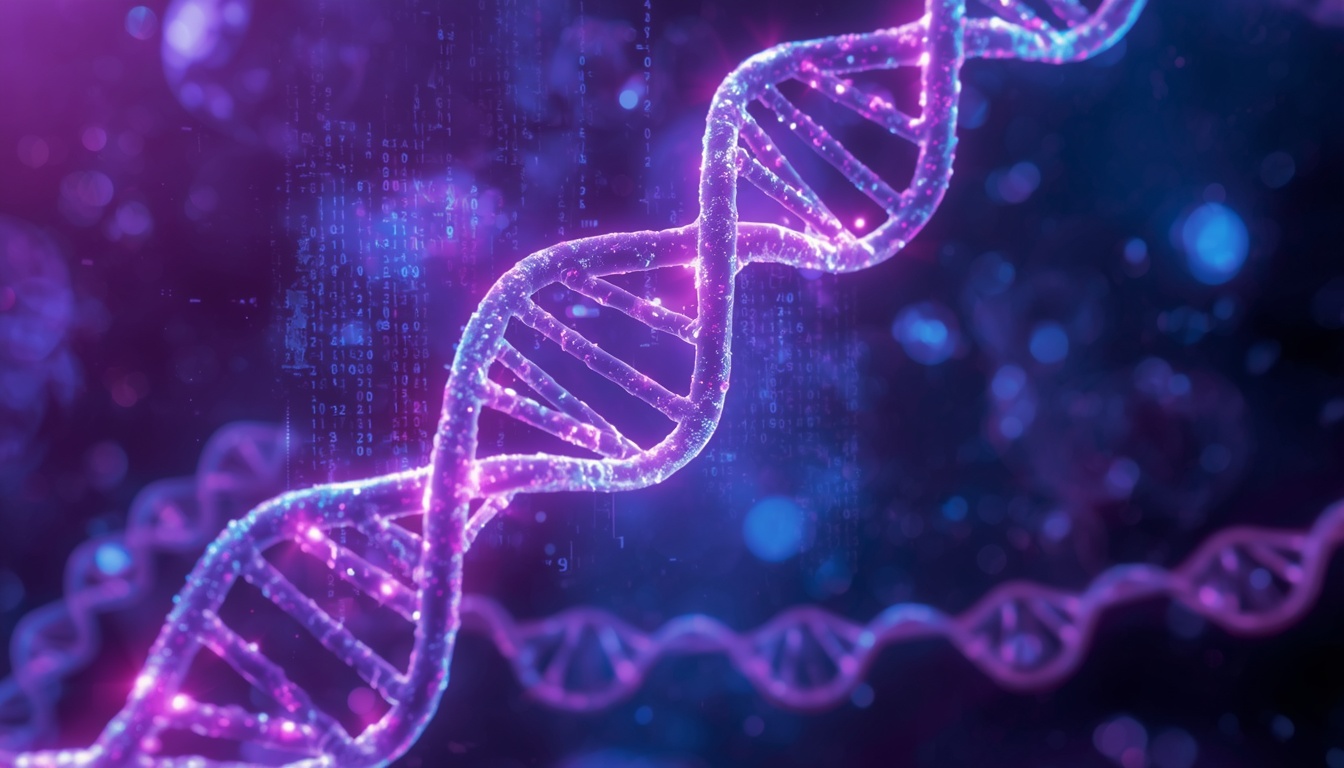
For a long time, aging was viewed as an irreversible physical breakdown. However, modern science has radically reframed the problem: aging is not a hardware failure written into our core DNA, but rather a software reading error—a corruption within our epigenetic information (the chemical tags that tell our genes when to turn on or off).
The Breakthrough : From Yamanaka Factors to the Safer "OSK" Trio
The foundation of this revolution traces back to Nobel laureate Shinya Yamanaka’s historic discovery that adult cells can be completely reset to a blank, embryonic state using four specific transcription factors (known as the Yamanaka factors: Oct4, Sox2, Klf4, and c-Myc).
However, there was a fatal flaw: the fourth factor, c-Myc, is a notorious oncogene. While it successfully rewound cellular age, it completely erased the cell's specialized identity and triggered uncontrolled cell division—essentially transforming normal tissue into tumors. It was a biological ticking time bomb.
To solve this, researchers—pioneered by David Sinclair’s lab at Harvard—asked a brilliant question: What if we perform a "partial reset" instead of a full reboot? By meticulously dropping the cancer-causing c-Myc and utilizing only three factors—Oct4, Sox2, and Klf4, collectively known as OSK—scientists found they could strip away the accumulated epigenetic "noise" of aging while allowing cells to retain their core professional identity.
The Role of AI Simulation and Precision Engineering
What used to take decades of blind, trial-and-error wet-lab biology is now being radically accelerated by AI and machine learning simulations. Advanced biotech platforms and AI models analyze millions of genetic variables to simulate how these factors interact, engineering optimized variants (such as enhanced reprogramming proteins) that maximize cellular repair while strictly bypassing oncogenic pathways.
This precision is what made the leap to human medicine possible. Life Biosciences’ ER-100 clinical trial utilizes a modified, safe AAV (adeno-associated virus) vector to deliver these OSK genetic instructions directly into human eye tissues, coupled with an inducible safety switch (systemic doxycycline) to control precisely when the reprogramming turns on and off. Targeting retinal ganglion cells in glaucoma patients, this milestone marks humanity's very first regulated step into systemic cellular rejuvenation—effectively acting as a software update for our biological data.
From Lab Mice to Human Reality : The June 2026 Breakthrough
The theoretical boundary between science fiction and human medicine officially shattered in June 2026, when Life Biosciences dosed the very first human participant in its groundbreaking Phase 1 clinical trial for ER-100.
Targeting degenerative optic neuropathies—specifically open-angle glaucoma (OAG) and non-arteritic anterior ischemic optic neuropathy (NAION, often called an "eye stroke")—this trial represents the first-ever human administration of a cellular rejuvenation therapy using partial epigenetic reprogramming.
- How the Treatment Works in Practice: Administered via a single intravitreal injection directly into the eye, ER-100 uses a harmless, engineered adeno-associated virus (AAV) vector to smuggle the OSK genetic software instructions into damaged retinal ganglion cells.
- The Safety Switch Mechanism: To ensure absolute control over the cellular reset, the therapy is coupled with a systemic antibiotic, doxycycline, taken orally by the patient for 8 weeks. Doxycycline acts as a molecular "on/off switch"; as long as the patient takes it, the OSK genes are expressed to rewrite the epigenetic clock and clear cellular noise. Once stopped, the genes lock back into place, preventing any runaway cellular division.
For elderly patients facing the terrifying darkness of age-related blindness, this treatment is not merely a tool to slow down disease progression—it is a biological software update designed to turn back the clock on dead or dying neurons, proving that aging tissue can be functionally restored in living humans.
4. Longevity Escape Velocity (LEV) and the Societal Shock

Futurist Ray Kurzweil has long championed one of the most mind-bending concepts in modern science: Longevity Escape Velocity (LEV).
What does LEV actually mean? Imagine a mathematical race against time. If medical technology advances to the point where, for every single calendar year you age, science successfully adds more than one year of remaining life expectancy to your biological clock, you have achieved LEV. You are effectively running faster than time itself, staying one step ahead of biological decline until the next breakthrough buys you even more runway.
The Timeline : When Will the Masses Access Longevity?
When will this futuristic science transition from experimental laboratory trials for the wealthy to everyday, universal healthcare? Looking at the macro-adoption curves of exponential technologies, experts project a clear three-phase timeline:
- Phase 1 (The 2020s – The Clinical Foundation): Marked by historical milestones like the 2026 human trials for epigenetic reprogramming and early senolytic therapies, this decade is about proving safety and targeting specific degenerative diseases (such as blindness and organ fibrosis).
- Phase 2 (The 2030s to Mid-2040s – The Tipping Point & Early Adopter Era): As AI-driven drug discovery compresses decades of research into months, multi-targeted rejuvenation therapies will transition into approved preventative medicine. Much like early electric vehicles or initial gene-sequencing treatments, these therapies will first be accessible to early adopters and higher-income brackets, dramatically extending their health spans.
- Phase 3 (The Late 2040s and Beyond – Universal Democratization): Exponential technologies inevitably follow a deflationary cost curve. Once manufacturing scales and biological software updates become standardized, systemic rejuvenation treatments will drop in cost—becoming as routine and accessible as modern vaccinations or corrective eye surgery for the general global population.
The Prudent View and Societal Shock
Of course, this unprecedented horizon comes with profound systemic friction. Skeptics, such as University of Chicago professor Jay Olshansky, rightly warn that reaching a 150-year lifespan without fixing societal infrastructure will trigger massive friction.
If human lifespans stretch past a century while traditional retirement ages remain frozen at 65, global pension systems, insurance models, and generational wealth transfer loops will face total collapse. The transition to a 150-year society is not merely a medical revolution; it is an economic and structural earthquake that will force civilization to completely rewrite how we live, work, and invest.
[Conclusion : Building "Longevity Capital" for a 150-Year Life]

What are your thoughts? If anti-aging technology becomes a reality, how would you prepare to live a vibrant life stretching up to 150 years?
This isn't just about living longer; it forces us to confront a deeper question: How do we live a meaningful life? If our current social contracts, retirement structures, and economic systems remain unchanged while human lifespans stretch to 150, the global pension system will inevitably face total collapse.
Therefore, investing in crypto and disruptive tech today is much more than a quest for quick profits. It is the process of building "longevity capital" to sustain a life that will span well over a century. Of course, this transition will be accompanied by massive social restructuring and friction.
As an investor seeking to capture future value through Tesla and crypto, I am paying close attention to how anti-aging technology will completely reshuffle global wealth.
Just as Tesla’s FSD continuously improves vehicle performance through software updates, anti-aging science is essentially pushing a software update for our biological data. I am firmly convinced that this structural inflection point will redefine the entire economic ecosystem of a 150-year lifespan—and that realization is precisely how I am shaping my portfolio.
Looking at it this way, the crypto insights, automotive innovations, and tech trends I cover on this blog are not isolated topics; they are intimately connected threads weaving together the architecture of our future.
While a massive leap in human lifespan driven by technological progress is an incredible and joyous prospect, I personally believe that true happiness can only be realized when social consensus and systemic preparation go hand in hand. At the end of the day, I dream of a future where we can live long, vibrant, and healthy lives—sharing those precious years alongside our beloved families and friends.
[Disclaimer]
This article is not intended as investment advice or a recommendation to buy or sell any specific asset. It reflects the author's personal perspective and analysis. As the outlooks and interpretations discussed here carry inherent uncertainty, please conduct your own research and make investment decisions based on your own judgment and risk tolerance.
[Deep Dive & Insights]
"Curious about the next wave of AI breakthroughs, biotech innovations, and advanced science—and how to translate those shifts into a winning investment mindset? Don't just watch the future unfold. Dive into my exclusive archive of in-depth analyses and discover where the smart money is heading next."
Beyond Reading Glasses: The Science and Reality of Presbyopia Eye Drops
Beyond Reading Glasses: The Science and Reality of Presbyopia Eye Drops
The "Stretch-Arm" Syndrome: Is it Finally Time for a Drop? In your mid-40s, you might notice yourself instinctively holding your phone further away or squinting at restaurant menus. This is 'Presbyopia'—a natural part of aging. For decades, the only solu
cryptoteslaglobal.com
The GLP-1 Obesity Drug Revolution: From Generic Price Wars to Crypto-Backed Bio-Megacap Investing
The GLP-1 Obesity Drug Revolution: From Generic Price Wars to Crypto-Backed Bio-Megacap Investing
What if the world’s hottest weight-loss drug isn’t just shedding pounds, but entirely rewriting the rules of social mobility, career success, and long-term asset allocation? Here is how the GLP-1 megatrend is shifting global wealth—and how to trade i
cryptoteslaglobal.com
Beyond Landscapes: How Nations Are Turning Alpine Dams and Volcanoes into Digital Gold Reserves
Beyond Landscapes: How Nations Are Turning Alpine Dams and Volcanoes into Digital Gold Reserves
In the high-altitude silence of the Swiss Alps, at 2,500 meters, a concrete dam wall is redefining the future of energy. The Muttsee dam's alpine solar installation isn't just generating electricity; it is proving that geography is not a limit, but a strat
cryptoteslaglobal.com
Ethereum : The Operating System for the New Digital Finance
Ethereum : The Operating System for the New Digital Finance
Why Wall Street is Obsessed with the "World Computer" (2026 Updated)"This is not just another cryptocurrency. It is the operating system (OS) for the new digital economy."While Bitcoin acts as 'digital gold'—a store of value—Ethereum is the 'World Comp
cryptoteslaglobal.com