Hello everyone! Today, we are taking a deep dive into the groundbreaking insights of Dr. Suk-Chul Bae, a world-renowned cancer researcher and Chair Professor at Chungbuk National University College of Medicine.
We will explore everything from the fundamental roots of cancer and tumor recurrence to healthy longevity (anti-aging)—specifically unpacking the biological mechanism that makes Vitamin B3 (Niacinamide) a game-changer alongside conventional therapies.
Table of Contents
- Part 1. The Root Cause of Aging and Cancer : What Is Epigenetic Error?
- Part 2. The Bottleneck of Targeted Therapies & Why Cancer Recurs
- Part 3. The Molecular Kill-Switch : The RUNX3 Gene and Vitamin B3
- Part 4. Anti-Aging Deep Dive : NMN vs. Niacinamide (Vitamin B3)
- Part 5. Where the Research Stands Today
- Part 6. Frequently Asked Questions (FAQ)
Part 1. The Root Cause of Aging and Cancer: Epigenetic Error Unlocked
1. What Is Epigenetics?
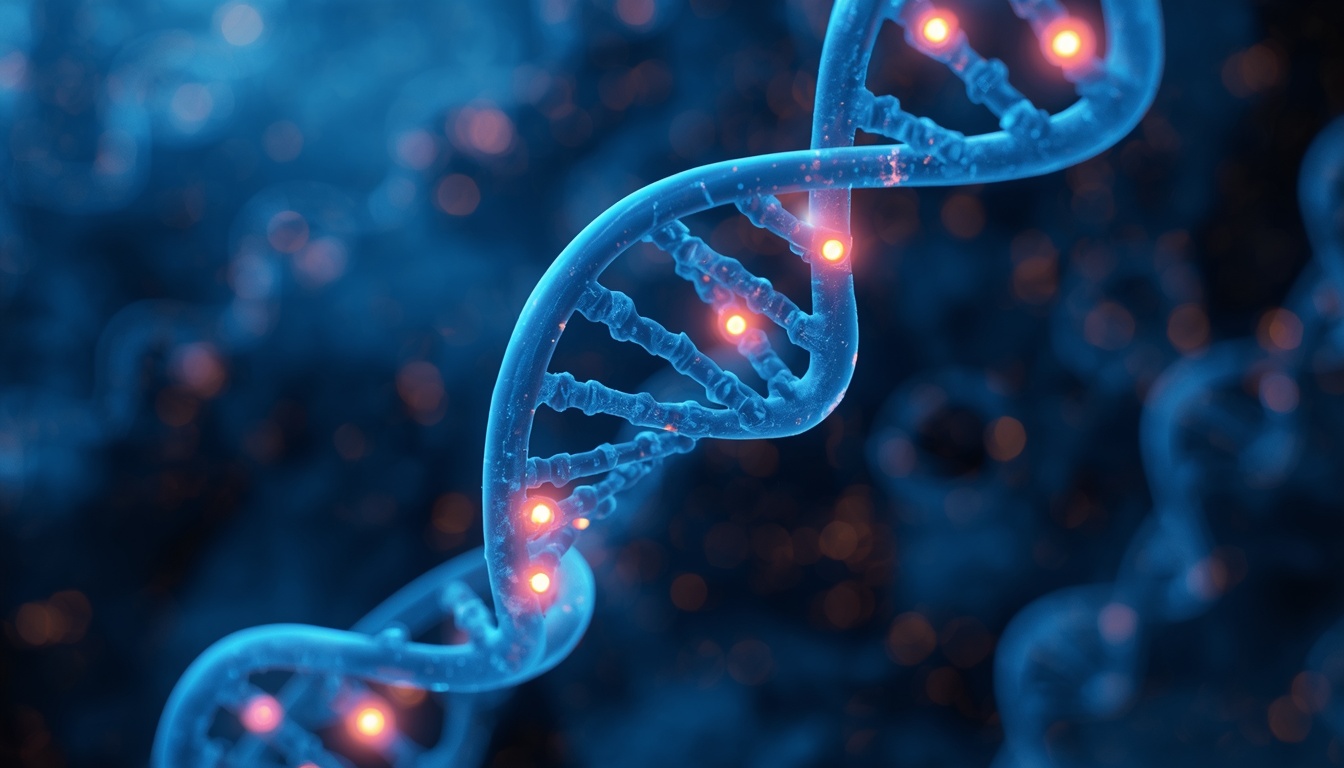
Epigenetics is the study of how cellular behaviors and gene expression change without altering the underlying DNA sequence itself, and how these functional markers are passed down through cell division.
- DNA Sequence (Genetics): Think of this as the master architectural blueprint. The order of the four base pairs (A, T, G, C) never changes throughout your lifetime.
- Epigenetic Regulation: Think of this as sticky notes or light switches placed over that blueprint. It determines whether a specific gene is actively read (ON) or skipped (OFF).
Primary Epigenetic Mechanisms
- DNA Methylation: When a methyl group (-CH₃) attaches to a promoter region of DNA, it physically blocks RNA Polymerase from reading the gene, turning expression OFF.
- Histone Modification: DNA is wrapped around spool-like proteins called histones. Adding or removing acetyl groups (via Histone Deacetylases, or HDACs) tightens or loosens the DNA coil, determining whether a gene is accessible (ON) or locked away (OFF).
💡 Epigenetics Made Simple: The Cellular Switch System
"If DNA is the computer hardware, Epigenetics is the software."
Every single one of the trillions of cells in your body shares the exact same DNA blueprint. So how does one cell become a heart cell, while another becomes a skin cell or an eye cell? The answer lies in epigenetic switches — a cellular control system that sits atop your DNA.
📌 Three Everyday Metaphors for Epigenetics
- The Blueprint and the Highlighter: DNA is the manual that never changes. Epigenetics is the highlighter marks applied to specific pages.
- The Smartphone and Its Apps: DNA is all the factory-installed apps. Epigenetics is deciding which apps to launch.
- The Music Player / Jukebox: DNA is the entire library of songs. Epigenetics is selecting which track to play.
⚠️ What Is an "Epigenetic Error"?
As cells age or endure chronic inflammation and stress, these molecular switches can begin to malfunction — a process researchers call Epigenetic Drift.
- Normal State: A tumor suppressor gene like RUNX3 stays active, helping identify and eliminate cells with dangerous mutations.
- Epigenetic Error: The switch can become locked in the "off" position through processes like DNA hypermethylation, silencing genes that would otherwise help protect the cell.
2. Single-Celled vs. Multicellular Organisms: The Origins of Aging
| Basic Structure | A single cell performs all life functions | Trillions of specialized cells forming organ systems |
| Differentiation | No cell differentiation | Specialized tissues form via differentiation |
| Presence of Aging | Functionally near-immortal | Aging is biologically observed |
When a multicellular cell divides, it doesn't just copy the DNA sequence — it must also copy the epigenetic markers. Over trillions of divisions across a lifetime, errors can accumulate in these markers, a phenomenon some researchers, including Harvard's Dr. David Sinclair (Information Theory of Aging), point to as a contributing driver of aging.
3. The Role of Vitamin B3 (Niacinamide) in Current Research
Synthetic epigenetic drugs, such as broad-spectrum HDAC inhibitors, tend to lack selectivity — they can affect thousands of genes simultaneously, which is part of why many have faced toxicity concerns in trials.
By contrast, laboratory research has examined how Niacinamide (Vitamin B3) interacts with the cell's histone deacetylase pathways (including SIRT1), and whether this interaction can help reopen access to the promoter region of the RUNX3 gene in preclinical models.
What the early-stage research actually shows:
- Animal & cell-based studies: Research (including work published around 2005 and in subsequent bladder-tumor xenograft studies) found that nicotinamide could upregulate RUNX3 and p300 expression and suppress tumor growth in mouse models. This is real, published preclinical science.
- This is mechanistic, hypothesis-generating research — it demonstrates a biological pathway worth studying further, not a proven human treatment outcome.
💡 Key Takeaway from Part 1: Epigenetic drift is an active area of aging and cancer research, and Vitamin B3's interaction with tumor suppressor genes like RUNX3 has been demonstrated in cell and animal studies. Whether this translates into a meaningful clinical benefit in humans is still being investigated, as we'll cover honestly in Part 5.
🔬 Molecular Mechanism of Vitamin B3
When metabolized inside the cell, Niacinamide gently modulates Class III histone deacetylases (such as SIRT1). This opens up the condensed promoter architecture of the dormant RUNX3 tumor suppressor gene and activates the p300 acetyltransferase enzyme, successfully reactivating and stabilizing the RUNX3 protein.
Part 2. The Bottleneck of Targeted Therapies & The Reality of Cancer Recurrence

As covered in Part 1, modern medicine has developed numerous targeted cancer therapies. However, a significant portion of patients receiving targeted therapies face tumor recurrence or drug resistance after a period of remission.
1. Why Cancer Can Recur Despite Targeted Therapy
Unlike first-generation chemotherapy (which attacks both healthy and malignant cells indiscriminately), targeted therapies are engineered to block specific mutated proteins or pathways overexpressed in cancer cells.
Key Clinical Applications:
- Non-Small Cell Lung Cancer (NSCLC): EGFR mutation inhibitors (Tagrisso, Iressa), ALK inhibitors (Xalkori, Alecensa)
- Breast Cancer: HER2-positive targeted drugs (Herceptin, Kadcyla)
- Chronic Myeloid Leukemia: BCR-ABL inhibitors (Gleevec)
Real-World Financial Burden: Targeted therapies require personalized genomic profiling and can be expensive, particularly for off-label or uncovered uses, where monthly costs can run into the thousands of dollars depending on the healthcare system and region.
[Molecular Mechanism] Why Recurrence Happens
Per Vogelstein's Multistep Carcinogenesis Model, targeted drugs only act on cells that have already acquired a recognizable oncogenic mutation. Tumors are not uniform — when a targeted drug is introduced, responsive cells die, but a small subpopulation lacking the target (or already resistant) survives and can eventually repopulate the tumor.
💡 Analogy: Trimming the Weeds — Targeted therapies act like precision shears cutting visible weed stalks above ground. The visible tumor disappears, but underground roots (residual, resistant cells) can remain and eventually resurface.
2. Why New Mutations Tend to Arise in Residual Cells
In theory, the baseline spontaneous mutation rate is similar in normal and cancer cells. The divergence lies in whether the cell's internal quality-control (apoptosis) system is functional.
- Normal cells: When a mutation is detected and can't be repaired, apoptosis (programmed cell death) removes the cell before it can cause harm.
- Residual cancer cells: If tumor suppressor genes like RUNX3 are epigenetically silenced, this "self-destruct" mechanism can fail, allowing mutated cells to survive, divide, and accumulate further mutations.
💡 Analogy: The Factory Quality Inspector — In normal cells, a defective product (mutated cell) is caught and removed immediately. In cells with a silenced RUNX3, the inspection system is compromised, allowing defects to accumulate.
3. Summary : A Research Direction Worth Watching
Relying solely on blocking mutation signals has real biological limits. Some researchers, including Dr. Bae's team, argue that therapies aimed at also supporting the cell's natural apoptotic machinery (the RUNX3-centered pathway) represent a complementary research direction — one that is still being tested, not one with an established clinical track record yet.
Part 3. The Molecular Switch: RUNX3 and Vitamin B

1. RUNX3 : The Tumor Suppressor Linked to Apoptosis
RUNX3 (Runt-related transcription factor 3) is a transcription factor first identified as playing a tumor-suppressive role by Dr. Suk-Chul Bae's research group in the early 2000s. It's involved in regulating cell proliferation and programmed cell death.
[Molecular Mechanism] How RUNX3 Is Thought to Operate
① When oncogenic stress arises in a cell, functional RUNX3 can activate pro-apoptotic proteins (like Bim and Bax), contributing to programmed cell death of damaged cells.
② Under conditions of chronic inflammation or oxidative stress, the RUNX3 promoter region can become hypermethylated and epigenetically silenced — research has found this occurs in a large proportion of certain cancers, including lung adenocarcinoma.
③ With RUNX3 silenced, cells may be less able to trigger apoptosis in response to oncogenic stress.
💡 Analogy: The Building's Fire Sprinkler — RUNX3 functions like a sprinkler system: when a spark occurs, it normally activates to put out the fire. If the system is disabled (epigenetically silenced), a small spark can spread unchecked.
2. Why Researchers Are Interested in Vitamin B3 Specifically
Synthetic epigenetic drugs (HDAC inhibitors, DNMT inhibitors) have faced significant hurdles in clinical trials, partly due to their broad, non-selective effects on gene expression.
Preclinical research has examined whether Niacinamide, working through the body's existing metabolic pathways, might offer a gentler, more selective way to influence RUNX3 expression — though again, this is a research hypothesis under active investigation, not an established treatment mechanism in humans.
3. NMN vs. Niacinamide : A Comparison Worth Understanding
Regarding the popular anti-aging compound NMN (Nicotinamide Mononucleotide) versus traditional Niacinamide, Dr. Bae's research raises some cautionary points worth being aware of — though it's worth noting this remains a debated topic in the NAD+ research field generally, not a settled question.
The Metabolic Pathway : Niacinamide (Vitamin B3) → NMN → NAD+
① Direct NMN ingestion may bypass some of the cell's internal feedback regulation on NAD+ production.
② Niacinamide relies more on enzymatic control (via NAMPT), converting to NAD+ on demand.
Sirtuin Regulation : The body has seven Sirtuin enzymes (SIRT1–SIRT7), involved in various aspects of cellular regulation, including epigenetic marks.
Some research has raised the question of whether aggressively maximizing Sirtuin activation (as high-dose NMN may do) could, in certain contexts, have unintended effects on tumor suppressor regulation — this remains an active and unsettled research question, not a proven risk.
💡 Analogy: A Stuck Accelerator vs. Smart Cruise Control — this framing (used in Dr. Bae's talks) suggests that gradual, feedback-regulated NAD+ elevation (like Niacinamide) may behave differently than a more forceful, feedback-bypassing elevation (like high-dose NMN) — though comparative human outcome data between the two approaches remains limited.
Part 4. The Anti-Aging Debate: NMN vs. Niacinamide, in More Detail

The most prominent topic in anti-aging research is NAD+ decline with age, and restoring it is widely discussed as relevant to healthspan. However, which precursor is "best" remains a genuinely debated question in the field — this section lays out the considerations, not a final answer.
1. Metabolic Pathways and Cell Membrane Permeability
- Direct NAD+ supplementation: The NAD+ molecule itself is large and charged, limiting its ability to cross cell membranes directly — bioavailability from oral NAD+ itself is considered poor.
- NMN: A relatively large molecule; much of ingested NMN may be broken down into Niacinamide in the digestive tract before reaching cells, though some transport mechanisms have been proposed.
- Niacinamide: A smaller molecule that crosses cell membranes more readily, converting to NMN and NAD+ intracellularly via NAMPT.
2. The Sirtuin Regulation Question
This is genuinely debated in the scientific literature. Some researchers have raised concerns that forcing rapid, maximal Sirtuin activation (potentially via high-dose NMN) could, in cells that already harbor mutations, interact unfavorably with tumor-suppressor regulation — while others in the NAD+ research field see NMN and NR supplementation as generally promising for healthspan. This is an area of active scientific disagreement, and readers interested in NAD+ precursors should be aware both perspectives exist in the literature.
Part 5. Where the Research Stands Today
It's important to be direct and precise here, because this is where hope can easily outpace evidence.
1. What Has Actually Been Studied in Humans
Skin Cancer Prevention (ONTRAC Trial, NEJM, 2015): This is the strongest human clinical evidence for Niacinamide in an oncology-adjacent context. In a randomized, placebo-controlled Phase 3 trial of 386 high-risk patients (500mg twice daily for 12 months), nicotinamide reduced new non-melanoma skin cancers by 23% compared to placebo (95% CI 4–38%, P=0.02) — a statistically significant result. This trial is well-regarded and nicotinamide has since been included in some clinical guidelines for skin cancer chemoprevention in high-risk patients.
Lung Cancer Trial (Phase IIb, Clinical Cancer Research, 2024): This trial, led by Dr. Bae's group, tested nicotinamide (1g/day) alongside standard EGFR-TKI therapy in 110 patients with Stage IV EGFR-mutated lung adenocarcinoma. It's important to report the actual results accurately:
- Progression-free survival: 12.7 months (nicotinamide) vs. 10.9 months (placebo) — this difference was not statistically significant (P=0.2).
- Overall survival: 31.0 months (nicotinamide) vs. 29.4 months (placebo) — also not statistically significant (P=0.2).
- Subgroup findings: In pre-specified subgroup analyses, female patients (P=0.01) and never-smokers (P=0.03) showed a statistically significant reduction in mortality risk. Subgroup findings like this are valuable for generating hypotheses for future, dedicated trials — but on their own, they don't establish that nicotinamide improves outcomes for the general lung cancer population, since the trial's primary endpoints did not reach significance.
2. A Fair Reading of the Evidence
- The RUNX3 mechanism itself — its role as a tumor suppressor, and its epigenetic silencing in a large percentage of certain cancers — is well-established, peer-reviewed science.
- Niacinamide's ability to influence RUNX3 expression has real support in animal and cell-based studies.
- Its human clinical evidence is genuinely strong in one specific, non-oncology-adjacent context: preventing new non-melanoma skin cancers in people who've already had them.
- Its evidence in active lung cancer treatment is, honestly, inconclusive at the whole-population level — the headline trial did not meet its primary endpoints, even though a subgroup signal is intriguing enough to justify further research.
This is a genuinely promising and active area of cancer biology research. But it is not yet an established cancer treatment, and it shouldn't be presented or understood as one.
Part 6. Frequently Asked Questions (FAQ)
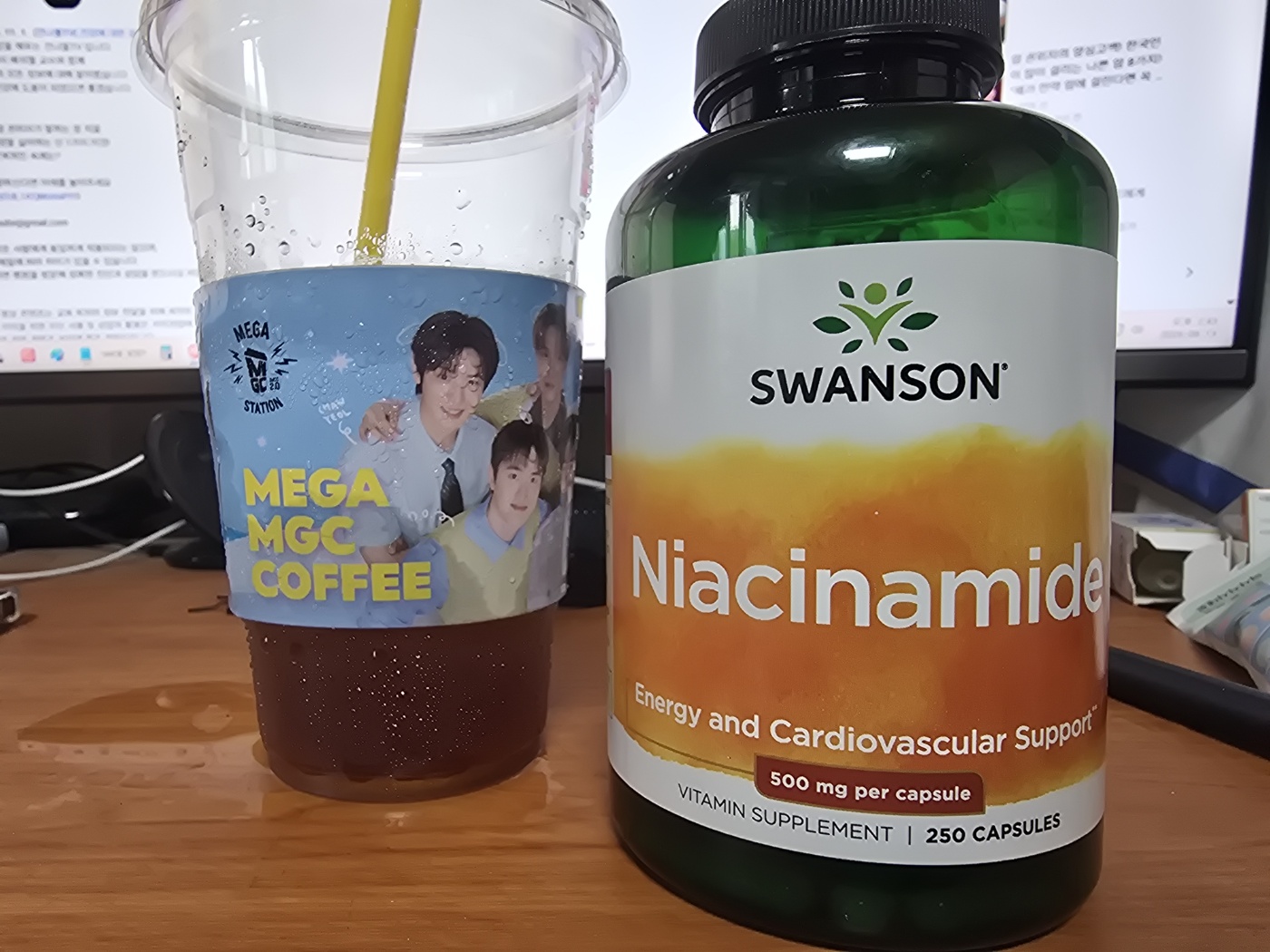
Q1. Is Vitamin B3 (Niacinamide) a proven cancer treatment?
No. The RUNX3 mechanism is well-studied in cell and animal research, and Niacinamide has strong clinical trial support specifically for reducing new non-melanoma skin cancers in high-risk patients. However, the main clinical trial testing it in active lung cancer treatment did not show a statistically significant benefit at the whole-population level. It should not be understood as a substitute for, or proven complement to, standard oncology care.
Q2. Is NMN or Niacinamide "better" for anti-aging?
This remains genuinely debated in the scientific community. Both have their own research bases and open questions; there isn't a settled consensus answer.
Q3. What does the RUNX3 research actually tell us?
It identifies a biological mechanism — the epigenetic silencing of a tumor suppressor gene — that is genuinely important to understanding how some cancers develop and recur. Research into compounds that might help reactivate that mechanism, including Niacinamide, is an active and legitimate area of oncology research, but is still in earlier stages for most applications beyond skin cancer prevention.
Author's Note
I first came across Dr. Suk-Chul Bae's research through a lecture that laid out the RUNX3 mechanism in a way that genuinely reshaped how I think about the biology of cancer recurrence — the idea that a cell's internal quality-control system, not just external tumor mass, might be the more foundational battleground.
Going back through the primary sources for this piece, including the actual published trial data, was a useful reminder that the mechanistic story and the clinical outcome story are two different things — and that the strongest, best-supported result here is actually the skin cancer prevention data, not the lung cancer story that tends to get the most attention. I think that's worth sitting with rather than glossing over.
⚠️ Medical Disclaimer : The information in this article is for educational purposes only and does not constitute medical advice, diagnosis, or treatment recommendations. It should not be used as a basis for treatment decisions, including whether to start, stop, or modify any supplement or medication regimen. Anyone with questions about a medical condition, or considering any dietary supplement — particularly in the context of a cancer diagnosis — should consult their physician or oncologist directly.
[Deep Dive & Insights]
"Curious about the next wave of AI breakthroughs, biotech innovations, and advanced science—and how to translate those shifts into a winning investment mindset? Don't just watch the future unfold. Dive into my exclusive archive of in-depth analyses and discover where the smart money is heading next."
The GLP-1 Obesity Drug Revolution: From Generic Price Wars to Crypto-Backed Bio-Megacap Investing
The GLP-1 Obesity Drug Revolution: From Generic Price Wars to Crypto-Backed Bio-Megacap Investing
What if the world’s hottest weight-loss drug isn’t just shedding pounds, but entirely rewriting the rules of social mobility, career success, and long-term asset allocation? Here is how the GLP-1 megatrend is shifting global wealth—and how to trade i
cryptoteslaglobal.com
Beyond Reading Glasses: The Science and Reality of Presbyopia Eye Drops
Beyond Reading Glasses: The Science and Reality of Presbyopia Eye Drops
The "Stretch-Arm" Syndrome : Is it Finally Time for a Drop? In your mid-40s, you might notice yourself instinctively holding your phone further away or squinting at restaurant menus. This is 'Presbyopia'—a natural part of aging. For decades, the only sol
cryptoteslaglobal.com